Vaccines explained: different types, immunity, protection and side effects
- #Virome
- #Vaccines
- #Virus

Understanding vaccines
What is a vaccine?
A vaccine is like a training course for the immune system. It is a preparatory measure that teaches the body how to defend against pathogens (viruses, bacteria or parasites) before they attack us and make us ill. It coaches the immune system in recognizing and combating severe or fatal diseases.
Vaccines contain a weakened, inactivated or partial form of a given microbe, or alternatively genetic instructions so that the body can produce part of the microbe itself. They do not cause disease; their role is to prepare the immune system.
How do vaccines act in the body?
As soon as a vaccine is administered, the immune system gets to work.
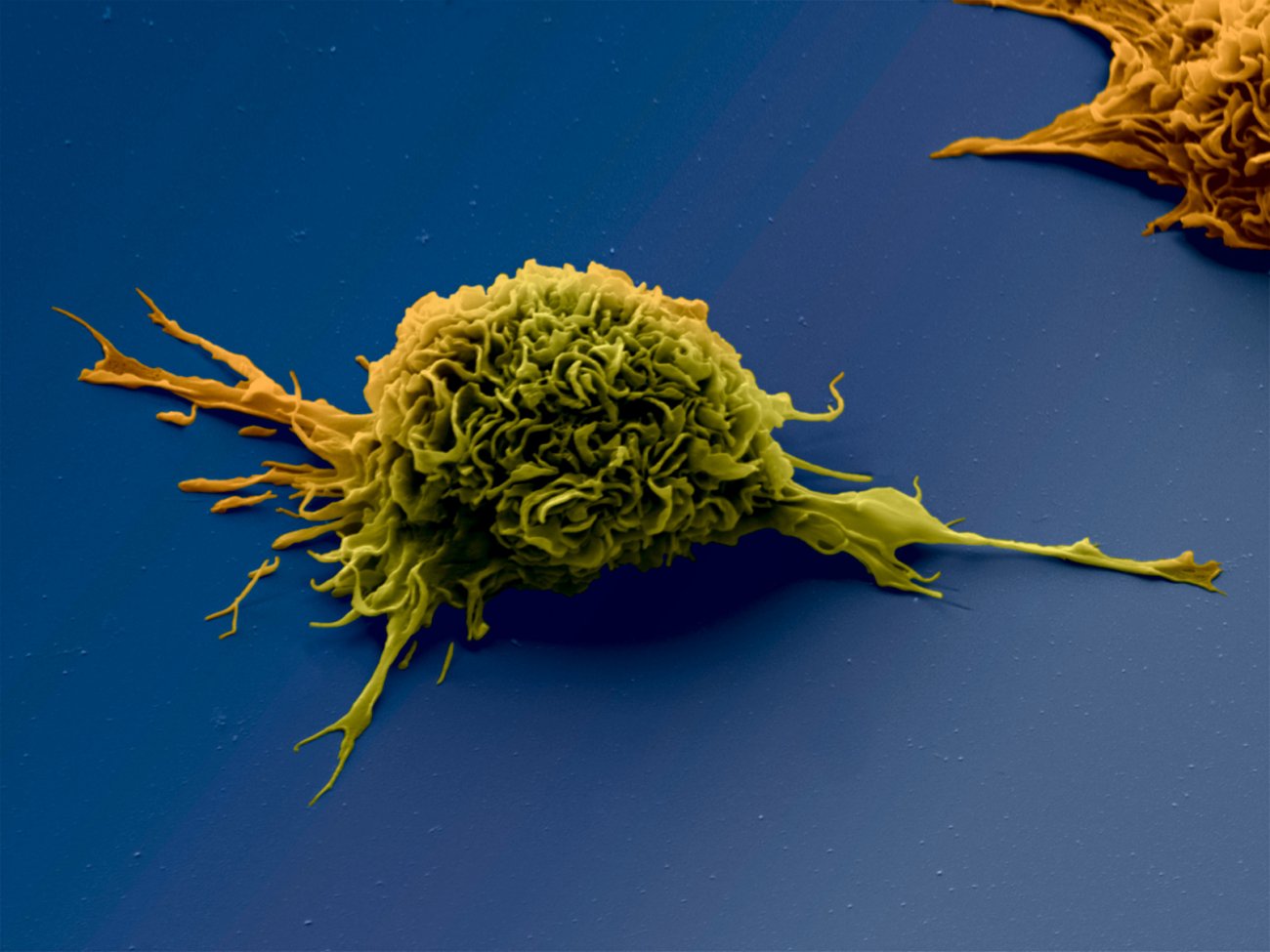
It detects a foreign presence in the body (the fragment or modified form of the pathogen contained in the vaccine). White blood cells, a key part of the body's defense system, then spring into action. These include B cells, which produce antibodies capable of binding to the microbes targeted by the vaccine and release them into the bloodstream, and T cells, which help eliminate the microbes.
From that point on, these antibodies are always ready to intervene, so if the body subsequently encounters the real pathogen it can respond immediately: the antibodies neutralize the microbes to stop them entering our cells, and the T cells eliminate them.
The body remembers this "lesson," developing an immune memory that can remain active for years and defend us if we are attacked by the pathogen again.
Key terms
- Microbe: Microscopic organisms like bacteria, viruses, microscopic fungi, protozoa and archaea. Some of them may be pathogenic.
- Pathogen: An organism of any type that is capable of causing disease.
- Antibody: A molecule produced by the immune system to identify and neutralize pathogens.
- Immune system: The body's suite of defenses that enable it to identify, tackle and eliminate microbes and pathogens.
How does vaccination imitate a natural infection?
When we catch a disease, our body naturally learns to defend itself – it produces antibodies to fight the infection and memorizes what it needs to do.
Vaccination reproduces this learning process but prevents the risks associated with being infected by a pathogen. The vaccine teaches the immune system to recognize certain characteristic elements of the pathogen (generally surface proteins).
In other words, the vaccine is like a "dress rehearsal" for the body, giving it an opportunity to practice how to defend itself without facing the dangers and complications of a real infection.
The benefits of vaccination
Why is it important to get vaccinated?
The main reason to get vaccinated is to protect yourself from diseases that can be serious or even fatal.
But it is also about respect for others – if we can avoid falling ill, we won't spread the pathogen to those around us.
Vaccination has led to a dramatic fall in cases of diseases like polio, diphtheria and measles, which once claimed thousands of lives every year.
The more people are vaccinated, the less pathogens can circulate and spread, and the more effective the protection for the entire community.
If everyone else is vaccinated, why do I need to get vaccinated too?
Even if a large proportion of the population is vaccinated, it only takes a few unprotected individuals to provide the pathogen with a means of circulating again.
Moreover, some people may not be able to be vaccinated, such as infants and people with ongoing health conditions or a weakened immune system. And as we get older, the immune system can become less effective.
So by getting vaccinated, we can play our part in building collective protection that keeps everyone safe.
Every individual vaccination strengthens the collective barrier against disease.
What is "herd immunity"?
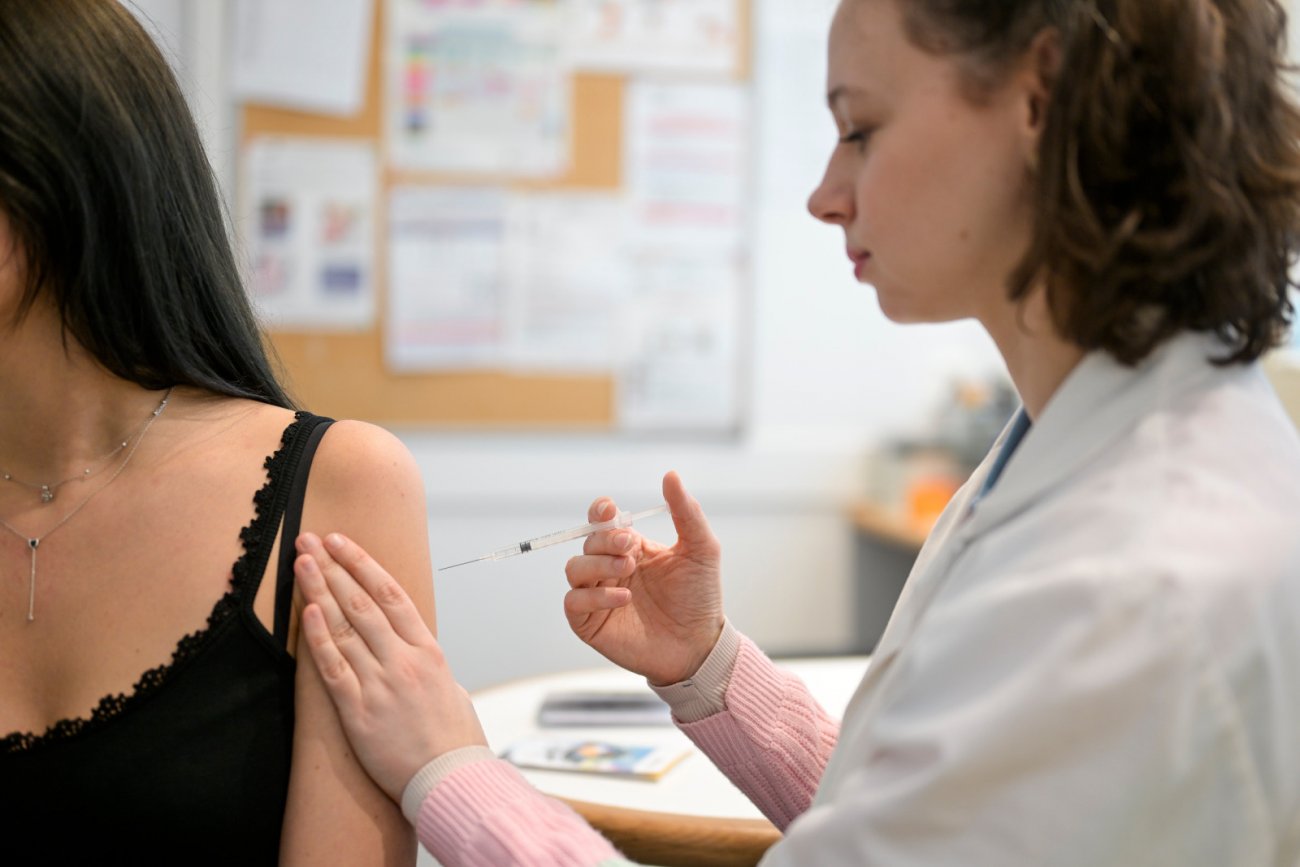
Herd immunity occurs when a large proportion of the population is vaccinated. If the pathogen is no longer able to contaminate enough people to keep spreading, this breaks the chain of transmission and provides indirect protection even for those who have not been vaccinated.
The more contagious a disease, the higher the percentage of people who need to be vaccinated to achieve herd immunity. Measles is a good example: since it is a highly contagious disease, it can only be eradicated through high vaccine coverage of around 95% among a given population. Smallpox was officially eradicated in 1980 after a mass vaccination campaign that particularly targeted endemic regions, where the virus was continuing to circulate at a low level.
Different types of vaccine
Over time, various vaccine technologies have been developed, all based on the same idea of exposing the body to a weakened pathogen or pathogenic element so that the immune system can learn to recognize and defend against it. The main types of vaccine used are:
- Live attenuated vaccines
- Inactivated vaccines
- Viral vector vaccines
- Recombinant protein vaccines
- Messenger RNA vaccines
- Conjugate vaccines
Vaccine efficacy and safety
How are vaccines tested?
Before their release to the public, vaccines go through a lengthy research and quality control process. At this stage they are referred to as "vaccine candidates." The key stages in this process are as follows:
-
Preclinical trials
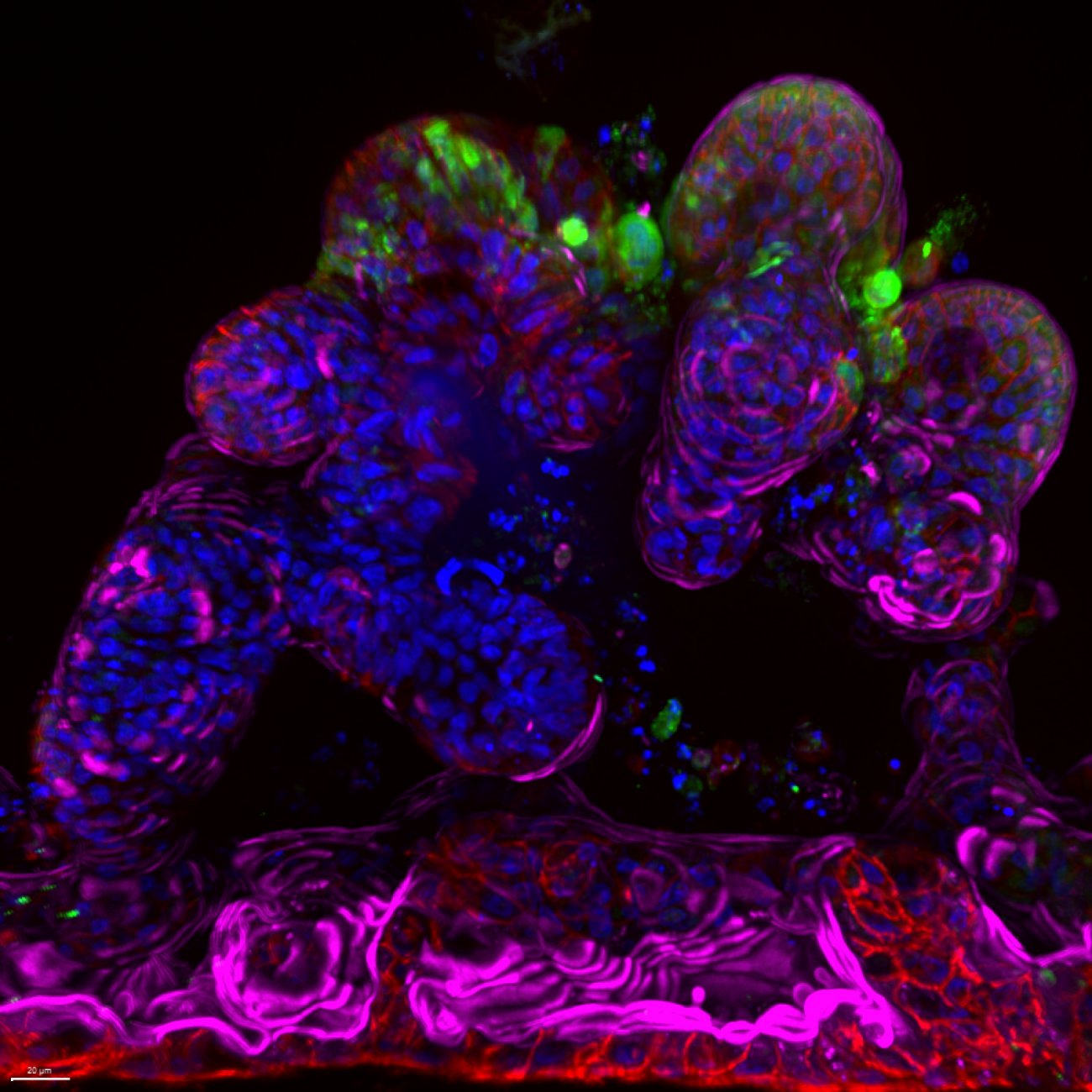
The aim of this phase is to assess the safety and efficacy of the vaccine and its ability to trigger an immune response. Tests are performed in vitro (on cell cultures) and in vivo (on animal models).
-
Clinical trials
This is when the vaccine candidate is tested on humans, in three successive phases:
- Phase I: a few dozen volunteers
Aim: to assess the tolerance and safety of the vaccine, observe any frequent side effects and determine the optimal dosage.
- Phase II: a few hundred volunteers across several clinical centers
Aim: to refine the dose and confirm that the vaccine candidate triggers an immune response. The volunteers' immune response to the vaccine is monitored for several months to establish the initial vaccine schedule (number of doses and interval between doses).
- Phase III: tens or even hundreds of thousands of volunteers
Aim: to assess the real efficacy of the vaccine in regions where the pathogen is circulating by comparing vaccinated individuals with a control group. The scientists detect any rare side effects and measure vaccine efficacy at a larger scale among different population categories.
-
Post-marketing surveillance
Once the vaccine has received approval, it is brought to market and undergoes continuous monitoring known as pharmacovigilance to detect any rare adverse effects that might emerge after it has become commercially available.
A vaccine can only be marketed if it has received a license from regulatory authorities. Within the European Union, the European Commission grants marketing authorization based on the scientific assessment of the European Medicines Agency (EMA).
What are the potential side effects of vaccines?
As with any drug, a vaccine can cause side effects. These are generally mild and temporary:
- Pain, redness or swelling around the injection site;
- Moderate fever or fatigue in the days after vaccination;
- Occasionally muscle pain or brief headache.
These reactions are actually a good sign, as they indicate that the body is reacting and the vaccine is performing its role of training up the immune system. But if the symptoms persist or worsen after a few days, it is important to seek medical advice. Severe side effects are extremely rare and are rigorously monitored at national and international level.
Are adjuvants based on aluminum salts dangerous?
Some vaccines contain adjuvants designed to stimulate the immune response. Many of these adjuvants are based on aluminum salts, with others using lipid or squalene emulsions or other immunostimulatory molecules. These substances are added to vaccines in minimal quantities, and there is no proven link between the use of adjuvants and severe chronic toxicity.

Vaccines: doses, boosters and protection
Why do some vaccines require several doses or boosters?
Some vaccines need to be given in several doses to provide long-term immune protection. Vaccine schedules vary depending on the type of vaccine, the pathogen targeted, the people receiving the vaccination (e.g. vulnerable or elderly people), the risk of contracting the disease (travel to endemic areas) and the ability of the pathogen to vary (as is the case with COVID-19, for example).
Every additional dose boosts the immune system, stimulating the production of antibodies and extending the length of protection.
Depending on the vaccine, the schedule may involve:
- Primary vaccination (one or more initial doses over a short space of time),
- Followed by one or more booster shots spaced further apart (X months or years later).
This strategy optimizes the body's defense capabilities over several years, or even over a lifetime for some vaccines.
How long does vaccine protection last?
The length of protection varies depending on the vaccine.
The vaccines for some diseases, like measles or yellow fever, provide lasting or even lifelong immunity.
For others, the body's immune memory gradually weakens over time. The duration depends on several factors: the type of vaccine, the age of the person when vaccinated, whether they have any chronic diseases or comorbidities, and the nature of the pathogen and whether it is likely to evolve over time.
This is why boosters are recommended to maintain effective protection against some diseases such as tetanus, whooping cough and seasonal influenza.
Vaccines, research and innovation
How are vaccines created?
The process of creating a vaccine begins with extensive research into the microbe to determine which part of the immune system should be stimulated to provide effective protection.
Once a target has been identified, scientists design a vaccine that will expose the body to the pathogen without causing disease. Depending on the chosen strategy, this may be an attenuated virus, a purified protein, or genetic instructions (in the case of mRNA vaccines) that can be used by the body's cells to produce the target protein themselves.
This is followed by preclinical trials, then clinical trials on volunteers to make sure the vaccine is safe, effective and well tolerated.
Creating a vaccine takes time. It requires close collaboration between teams of biologists, immunologists and chemists, often together with engineers and bioinformaticians. Experts in these disciplines will model and examine the most complex biological interactions between the vaccine and the immune system.
How were COVID-19 vaccines able to be developed so quickly, given that vaccines usually take years to develop?
Developing a vaccine normally takes several years. After basic research to learn more about the pathogen, preclinical and then clinical phases are required (see above). Each phase is used to assess a specific aspect: safety, efficacy, large-scale production and logistics.
During the COVID-19 pandemic, a combination of circumstances meant that the process could be sped up without compromising safety:
- Extensive research had already been carried out on coronaviruses since the 2003 SARS outbreak and the 2012 MERS outbreak, providing a strong foundation of knowledge.
- Novel vaccine technologies like mRNA were ready to use: their safety and immunogenicity had already been established following many years of basic research and initial preclinical and clinical trials on other relevant targets.
- Rather than being carried out sequentially, the various clinical trial phases ran in parallel or overlapped with each other, while still strictly adhering to safety requirements. Thanks to a concerted global effort, colossal financial, human, logistical and regulatory resources were able to be harnessed in record time.
This remarkable mobilization meant that some COVID-19 vaccines could be made available less than a year after the start of the outbreak, while complying fully with the same quality and surveillance standards applied to vaccines developed over much longer periods.
How are vaccines changed to deal with variants or mutations in viruses?
Some viruses, like influenza or COVID-19, mutate frequently. These mutations can change the structure of certain surface proteins – the "targets" that our immune system has learned to recognize.
If these changes are significant, the initial vaccine can become less effective; it continues to offer partial protection but the immune response is less effective in dealing with the new variant.
That is why scientists constantly monitor the genetic evolution of viruses through a global laboratory network. As soon as a variant of concern is detected, they can quickly adapt the composition of the vaccine so that it targets new circulating forms more effectively.
This strategy is applied every year for seasonal influenza: the vaccine formulation is updated to bring it in line with the strains that are most likely to be circulating. A global surveillance system has been established to anticipate how the influenza virus will develop – the strains observed in the southern hemisphere are likely to be those observed a few months later in the northern hemisphere, and vice versa.
With recent technologies like the mRNA technique, vaccines can be adapted even more quickly and easily – scientists just have to modify the RNA sequence that encodes the protein in the target variant rather than reformulating the vaccine from scratch.
The latest research means that we are now able to react rapidly to viral mutations and develop updated vaccines within just a few months.
"Will artificial intelligence revolutionize vaccine design?" (in french)What part does the Institut Pasteur play in vaccine development?
For well over a century, the Institut Pasteur has played a major role in vaccine research, development and testing worldwide.
In 1885, the rabies vaccine developed by Louis Pasteur was administered for the first time to a child who had been bitten by a rabid dog, the young Joseph Meister. Within less than a month, the boy had recovered fully. This remarkable demonstration paved the way for the prevention of infectious diseases through vaccination and led to the opening of the Institut Pasteur on June 4, 1887.
Many of the Institut Pasteur's scientists have made key contributions to the development of major vaccines:
- 1921: the first tuberculosis vaccine (Albert Calmette and Camille Guérin);
- 1923: the diphtheria vaccine (Gaston Ramon);
- 1932: the yellow fever vaccine (Jean Laigret);
- 1957: the polio vaccine (Pierre Lépine);
- 1986: the hepatitis B vaccine (Pierre Tiollais)
The teams at the Institut Pasteur today are continuing this tradition of excellence with their research on next-generation technologies such as mRNA, recombinant protein and viral vector vaccines.
Vaccines remain one of the most powerful tools in modern medicine. As well as their ability to save millions of lives, they play an essential role in reducing health inequalities worldwide by protecting the most vulnerable populations. From Louis Pasteur to 21st-century technologies, vaccination embodies a universal principle that still applies today: prevention is better than cure.