Mosquitoes, sandflies, ticks... The invisible assassin
- #Zika
- #Aedes albopictus
- #Dengue fever
- #Lyme disease
- #Chikungunya

Summary
Mosquitoes and ticks – the ultimate biological weapons
Multiple vectors, multiple diseases
Behind the scenes of a vector breeding facility
Focus on - The main vectors and the pathogens they transmit
Inside the mosquito's stomach – the black box of viral transmission
Integrated prevention – anticipating, not just reacting
Malaria - A turning point in the fight?
Surveillance - EMa-Tigre, a pioneering surveillance system
Mosquitoes and ticks – the ultimate biological weapons
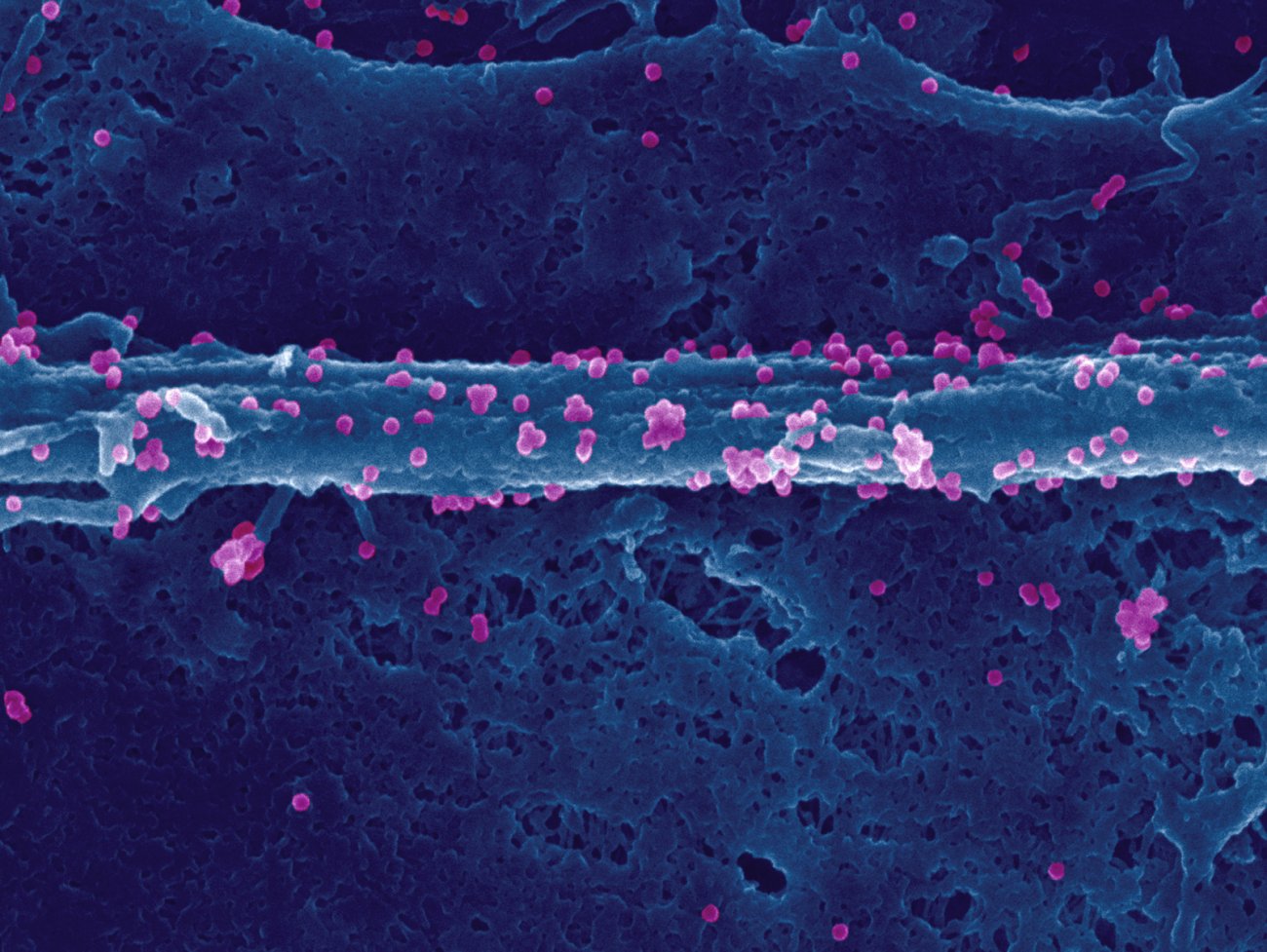
Dengue, chikungunya, Zika, Lyme disease, malaria and leishmaniasis are all what are known as vector-borne diseases, with a specific mode of transmission that sets them apart from infections like influenza or COVID-19. They require a living vector – a mosquito, sandfly or tick –, which hosts pathogens (viruses, bacteria and parasites), allows them to develop, then transfers them to humans via a bite. These vectors serve as mobile incubators, making the diseases they host particularly resistant to conventional health measures. The impact is huge – vector-borne diseases account for more than 17% of all infectious diseases and claim more than 700,000 lives worldwide every year.
Multiple vectors, multiple diseases
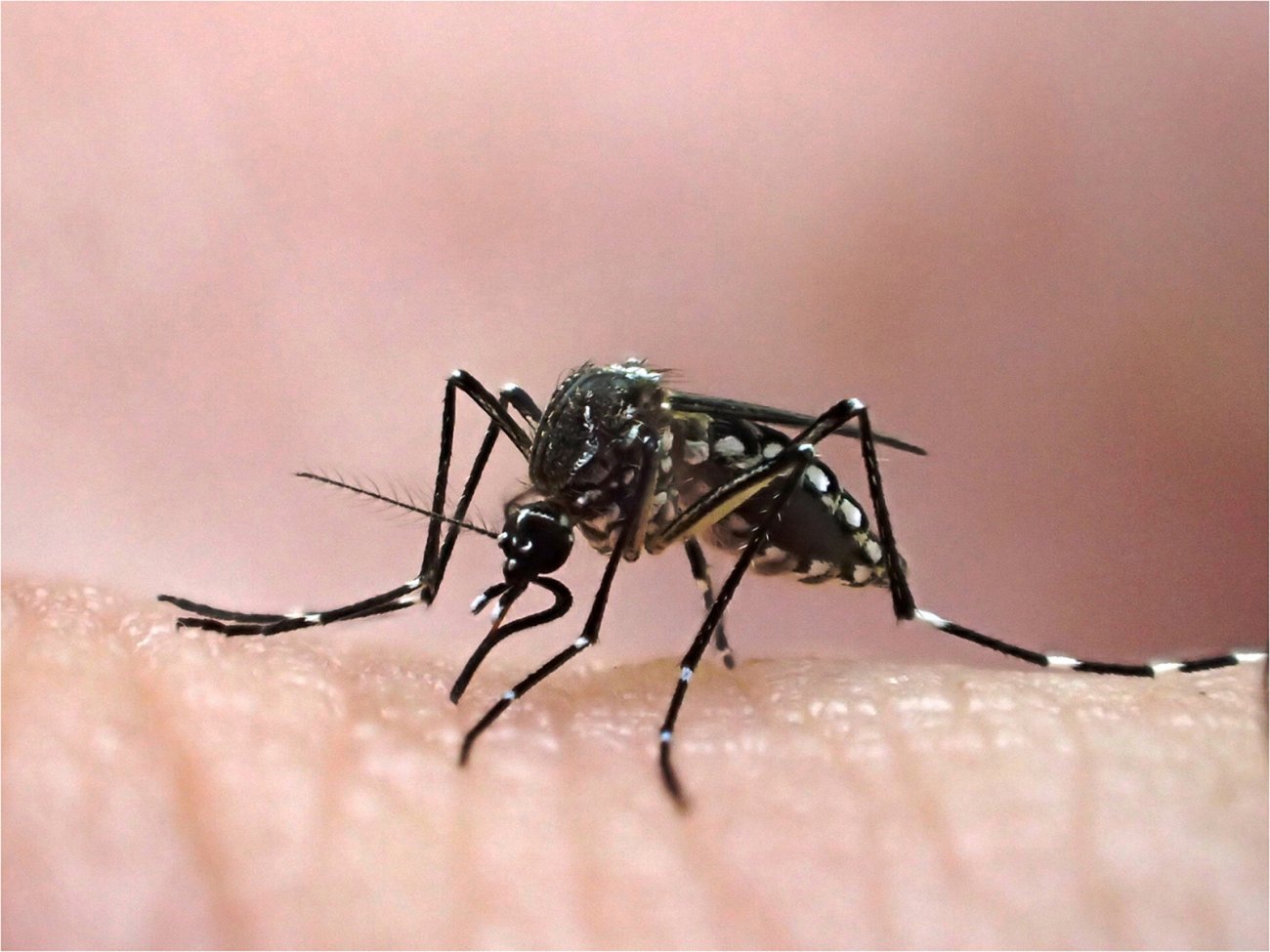
Just 3 to 6% of the 3,500 mosquito species that exist worldwide are harmful to humans. In France, the tiger mosquito (Aedes albopictus), which first arrived in Alpes-Maritimes in 2004 and is recognizable by its distinctive black and white stripes, now spreads dengue, chikungunya and Zika in urban environments. The common house mosquito (Culex pipiens) silently transmits the West Nile virus, which can cause severe neurological disorders. Sandflies are vectors for leishmaniasis, a parasitic disease that causes highly debilitating skin or visceral lesions. Leishmaniasis has been reported in the Cévennes, the Côte d'Azur, Corsica, Provence and the Pyrénées-Orientales and is currently considered an emerging neglected disease in Europe. In the disadvantaged tropical regions of Africa, Asia and Latin America, mosquitoes within the Anopheles genus transmit Plasmodium parasites, responsible for malaria – a disease that results in 600,000 deaths every year.
Mosquitoes
Behind the scenes of a vector breeding facility
The CEPIA facility was founded in 2003 by Catherine Bourgoin in the Malaria Biology and Genetics Unit (led by Robert Menard) to mass breed Anopheles mosquitoes and produce parasites belonging to the genus Plasmodium – the malaria agent – for the purposes of basic and translational research.
"The aim was to provide the parasitology teams on the Institut Pasteur campus with biological material without them having to manage the complex process of breeding vectors themselves," explains Sabine Thiberge, Head of the Center for the Production and Infection of Anopheles (CEPIA). This unusual "nursery" is run by seven staff members whose job is to maintain colonies of Anopheles gambiae (the main mosquito vector of malaria in Africa) and Anopheles stephensi (the primary vector in urban environments in India) and to culture Plasmodium falciparum in fresh blood via a semi-automatic system. This painstaking production process requires meticulous precision. "We culture the sexual stages of the parasite for 15 days, changing the culture medium on a daily basis, including at weekends, then infect the mosquitoes by giving them artificial blood meals," explains Sabine Thiberge. The mosquitoes' environment must remain stable, with a constant temperature of 27°C and minimum 80% humidity – meaning the team has to work in tropical conditions.
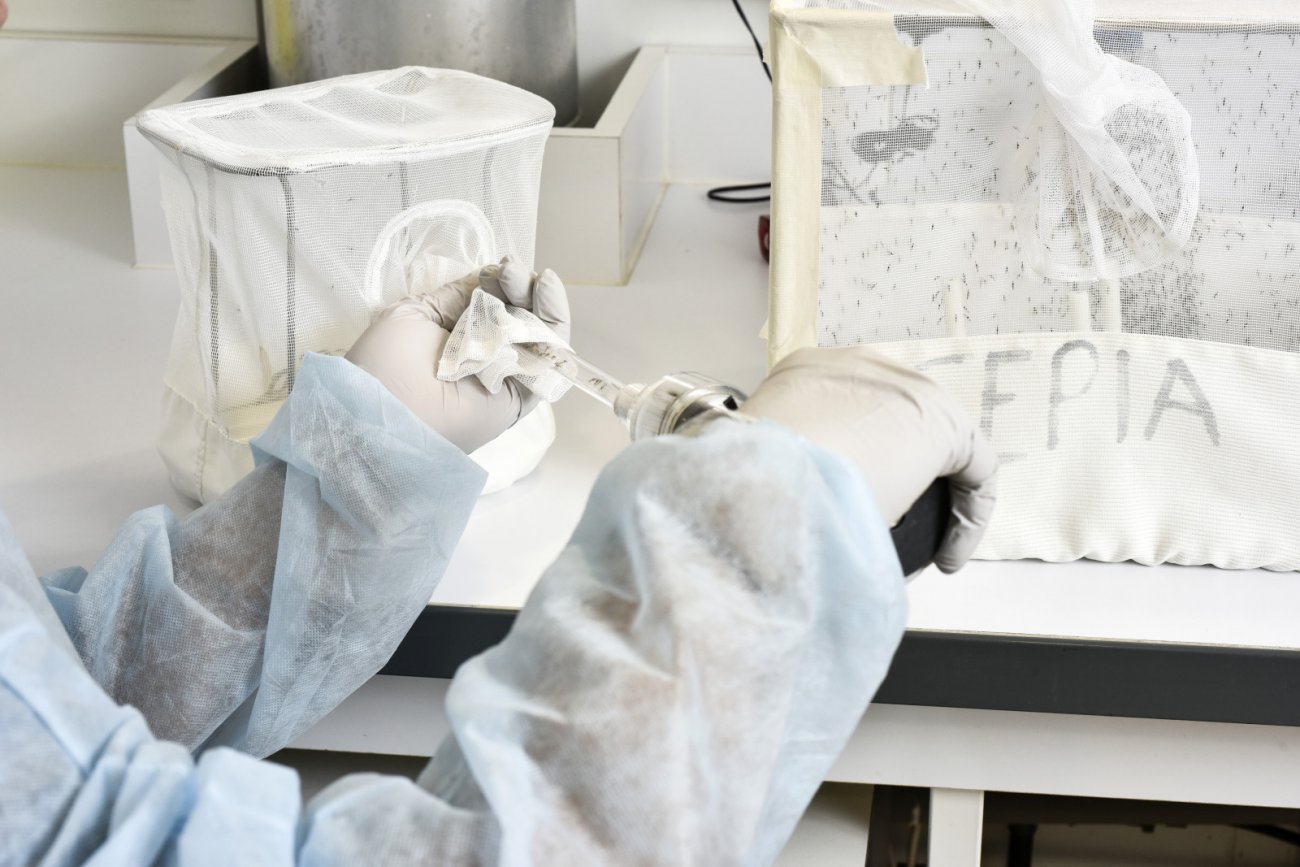
In early 2028, in the new infrastructure entirely dedicated to research on vector-borne diseases, the CEPIA will become the Center for the Production and Infection of Vectors (CPIV), incorporating a breeding center for most of the vectors responsible for transmitting major pathogens (Anopheles and Aedes mosquitoes, sandflies, tsetse flies and ticks). Unique microscopy installations housed in highly secure environments will also be available for research units, enabling scientists to visualize infection at every level (molecular, cellular, tissue, whole organism). "The aim is to relieve scientists of the task of colony maintenance so they can focus on scientific experimentation," concludes Sabine Thiberge. The center is designed to encourage an integrative understanding of vector-borne diseases by pooling expertise and standardizing practices.
Focus on
The main vectors and the pathogens they transmit
| Vector | Diseases | When should we watch out for them? |
|
Castor bean tick (Ixodes ricinus) |
Lyme disease Tick-borne encephalitis |
March to November |
|
Mediterranean Hyalomma (Hyalomma marginatum) |
Crimean-Congo hemorrhagic fever |
March to August |
|
Tiger mosquito (Aedes albopictus) |
March to October (during the day, peaking at dusk) |
|
| Common house mosquito (Culex pipiens) | West Nile fever | April to October (at night) |
|
Sandfly (genus Phlebotomus) |
Visceral and cutaneous leishmaniasis |
April to October (dusk and after dark) |
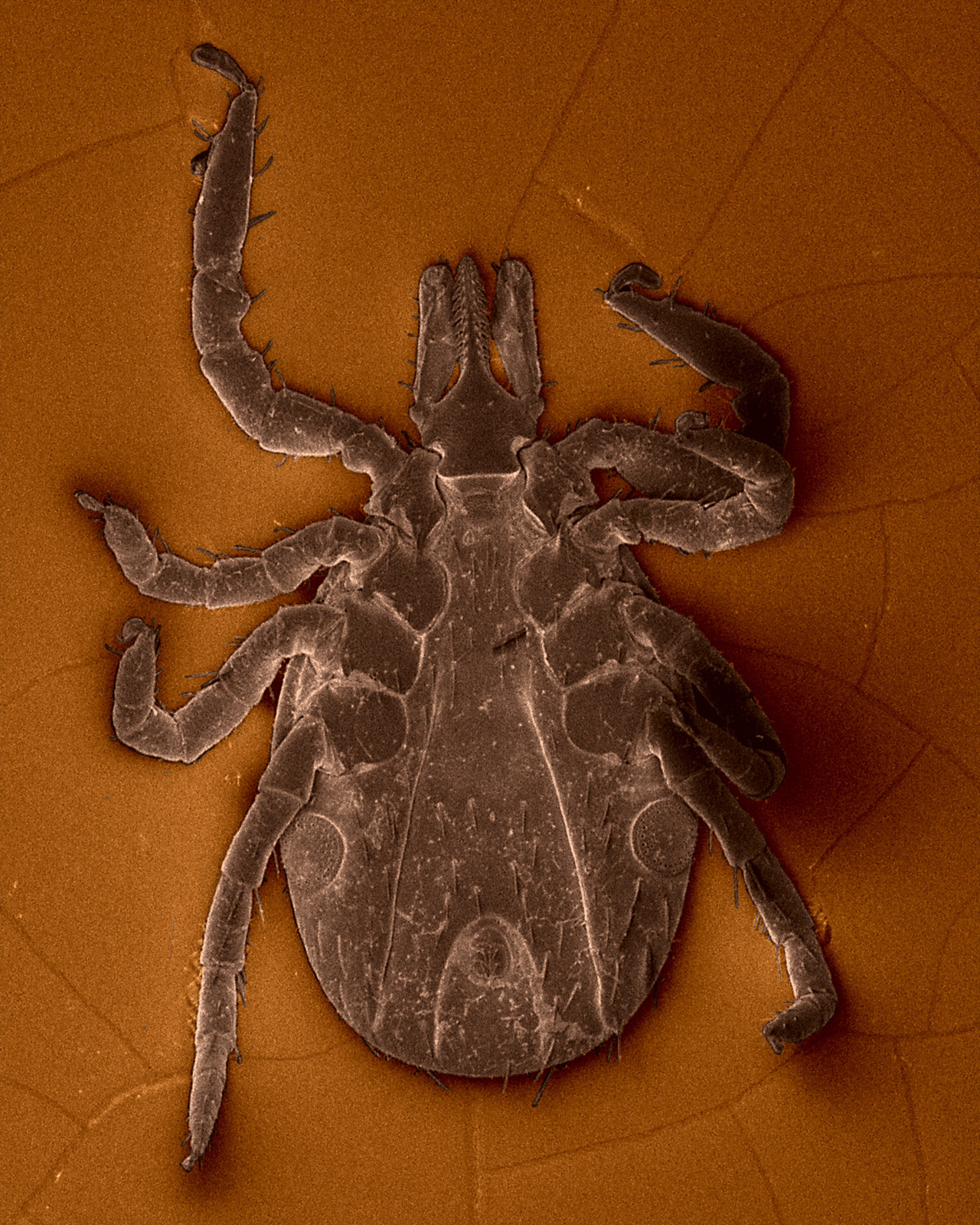
Unlike flying insects, ticks are found in low vegetation. These tiny creatures attach themselves to the skin and stay there for several days, quietly injecting their pathogens. The castor bean tick (Ixodes ricinus), also known as the sheep or deer tick, lives in forests in Western Europe and transmits the bacteria responsible for Lyme disease and tick-borne encephalitis. More worryingly, Hyalomma marginatum, a large tick with distinctive striped legs, has now reached southern France. It is already established in Corsica and has been colonizing the Mediterranean coastline for the past decade. It is a vector for Crimean-Congo hemorrhagic fever, responsible for severe infection with a case fatality rate of up to 40%, which represents a major emerging threat.
Inside the mosquito's stomach – the black box of viral transmission
Sarah Merkling, Head of the Insect Infection and Immunity group, is exploring the molecular mechanisms underpinning dengue infection and transmission by Aedes aegypti by focusing on the first hours after the infected blood meal. This is a key phase during which the virus tries to colonize the mosquito's stomach – an organ that we know very little about, unlike the salivary glands. "We don't understand why in some populations the virus is able to infect the gastric cells and replicate, while in others it fails to do so," explains the scientist.
Her research has revealed a natural dichotomy in a Gabonese population, in which half of the mosquitoes are resistant and the other half are susceptible to infection. The divergence can be observed 24 to 48 hours after the blood meal. Sarah Merkling uses single-cell sequencing and high-resolution 3D imaging of ultrathin mosquito sections to shed light on these mechanisms. Her future research in the CMTV will focus on three main areas. First, she wants to identify the molecular signatures of resistance and sensitivity by combining genomic analysis and cell individualization, paving the way for "super-immune" mosquitoes that are incapable of transmitting the virus. She will also assess the impact of extreme climate stressors such as heat waves and floods on vector competence. Finally, she will generate synthetic viral populations to monitor the evolutionary adaptation of the virus to its hosts in real time.
This basic research is crucial given the limits of current strategies, namely resistance to insecticides and vaccines that are ineffective or require pre-vaccination serology. "In this era of climate change, we urgently need to explore new approaches," she explains.
Expanding and mutating
In recent years, vector-borne diseases have gained new ground, putting 80% of the world's population at risk. Mainland France reached a historic milestone in 2025, when after many years of sporadic dengue and chikungunya cases (less than five a year in 2022), there was a fifteen- to twenty-fold increase in local transmission. The tiger mosquito is now found in 81 out of 96 départements. Cases of West Nile virus, spread by the common house mosquito, were recorded in Greater Paris, Auvergne-Rhône-Alpes and Normandy for the first time.
Alongside these mosquito-borne diseases, 50,000 cases of Lyme disease are now reported every year, mainly in the Grand-Est and Centre-Val de Loire regions and northern France. The expansion of the castor bean tick Ixodes ricinus towards mountain ranges such as the Vosges, Jura and Alps is likely to further increase the threat. These rising numbers reflect an environmental imbalance driven by climate change and urbanization, with mild winters and heat waves lengthening transmission seasons, and breeding grounds and greening policies encouraging mosquitoes and ticks respectively.
"Les tiques, dangereuses pour l'être humain ?" - Sarah Bonnet, directrice de recherche INRAE à l'Institut Pasteur
Interview
Sarah BonnetHead of the "Ticks" group in the Ecology and Emergence of Arthropod-borne Pathogens Unit at the Institut Pasteur
Ticks don't fall out of trees; they climb to the top of vegetation and lie in wait for their victims.
How is your laboratory and field research shedding light on the role of ticks in transmitting disease-causing microorganisms?
In the laboratory, I have a tick breeding facility that enables me to study interactions between ticks, their hosts and the pathogens they transmit. In the field, I assess the risks associated with ticks
in various ecosystems. What particularly fascinates me is the One Health dimension – ticks do not specifically target humans, but they are dependent on wild fauna (rodents, birds, deer, etc.) or domesticated animals (livestock and pets).
How do ticks develop, and why is the nymph stage so dangerous for humans?
Ticks are an ancient species – they have been around for 270 million years and are found all over the world. Their life cycle has three stages – larva, nymph and adult –, and at each stage they require one or more blood meals to develop. Ticks are the main vectors of pathogens in Europe. Nymphs, roughly the size of a pin head, are particularly dangerous because they are numerous in infested areas but hard to spot, and they can transmit pathogens such as Borrelia burgdorferi bacteria, responsible for Lyme disease.
What are the most surprising findings from your study on ticks in urban environments in Greater Paris?
Since 2022, I have been involved in an innovative project exploring the links between urban greening and the emergence of ticks in urban environments at 166 sites across Greater Paris, ranked according to an urbanization gradient. The initial results led to the project being extended for another 5 to 10 years, focusing on four priority areas that are monitored on a monthly basis: the forest of Saint-Germain-en-Laye (the control site), the Bois de Vincennes and Bois de Boulogne woods, and Montsouris Park, where ticks were first detected within the city limits of Paris. The preliminary results, currently being published, revealed the worrying fact that not only are ticks now firmly established in Paris but some are carriers of pathogens, including the bacteria responsible for Lyme disease. Among the seven tick species identified in Greater Paris (out of 40 recorded in mainland France and 900 worldwide), other pathogens were also detected, including parasites of the genus Babesia and other bacteria belonging to the genera Rickettsia and Anaplasma. Metagenomic analyses are currently being performed to explore the presence of viruses. Our results show that although there are fewer ticks in urban environments, they are more likely to be infected than ticks in woodland areas.
The urban expansion of ticks can be explained by several factors: green corridors, which facilitate the migration of wild fauna (and the ticks they carry) from peri-urban and rural areas to city centers, and urban heat islands, which lengthen the tick season, enabling them to remain active even in winter.
This project highlights the urgent need to adapt public health and urban planning policies to reduce risks, while making people living in Paris aware of these new invisible dangers.
What are your other research areas?
We are carrying out further research projects to assess tick-related risks in other environments, including in Germany and Japan (we are an international unit involving the Institut Pasteur and Kyoto University). We are developing tick exposure biomarkers that could be used to monitor the evolution of different tick populations, and we are also working on species identification software. Another project that I am particularly committed to is reviving research into an anti-tick vaccine – targeting the vector rather than the pathogens to prevent bites and pathogen transmission.
What are the societal and public health challenges?
Surveillance and prevention are crucial. We are working with an anthropologist at the Institut Pasteur, Tamara Giles-Vernick, to analyze perceptions of tick-related risks. We want to pursue our work with Paris City Hall to raise public awareness, making our field teams more visible and rolling out public communication tools. I helped develop the fourth National Health and Environment Plan, entitled "One environment, One health" (2021-2025), to ensure that the risks of ticks as vectors are taken into account in public policies.
Integrated prevention – anticipating, not just reacting
Given the absence of vaccines and treatments for most vector-borne diseases, we need to develop a strategy of predictive vigilance rather than a defensive posture. The One Health approach advocated by WHO recognizes the connections between human, animal and environmental health, seeing these diseases as complex systems involving pathogens, vectors, climate and human behavior. This vision was formalized in 2017 with the adoption of the Global Vector Control Response 2017-2030, which calls on countries to develop national vector control strategies as a key preventive measure.
Malaria
A turning point in the fight?
Malaria is caused by the parasite Plasmodium falciparum, transmitted by mosquitoes. The recent discovery of antibodies capable of forcing the parasite to destroy itself before it reaches the liver could be a game changer in the fight against this global killer. Rogerio Amino, Head of the Malaria Infection and Immunity Unit, has used state-of-the-art imaging techniques and fluorescent molecules to observe the behavior of the parasite in the minutes immediately after a mosquito bite. Contrary to popular belief, the parasite is not directly injected into the blood. "It is initially trapped in the skin, where it needs to locate a blood vessel and invade it, before migrating to the liver to infect the liver cells," explains the scientist. This phase offers a unique window of therapeutic opportunity. Rogerio Amino has discovered that certain antibodies bind to one of the parasite's surface proteins, triggering a chain reaction that weakens it. "As it migrates to the blood vessels, the parasite tries to rid itself of this layer of antibodies, shedding fragments of its own membrane in the process," explains the scientist. Stripped bare and weakened, the parasite becomes vulnerable to an endogenous cytotoxic molecule and destroys itself. The team is collaborating with scientists worldwide to screen hundreds of antibodies and reveal which are most effective. Identifying a more potent antibody could yield more effective results at a lower cost, which could be transformative for populations that do not respond to vaccines or are exposed to infection on a seasonal basis. The team is also working with biotech companies to develop a multi-antigen vaccine targeting 100% protection. Currently available vaccines offer temporary protection lasting a few months. "Antibody titers fall rapidly. Our aim is to identify combinations capable of inducing a longer-term immune response," says Rogerio Amino. The development of a potent monoclonal antibody or a multi-antigen vaccine capable of completely blocking malaria infection could represent a major breakthrough in the fight against this insidious disease.

In France, institutional surveillance via regional health agencies and Santé publique France is now complemented by citizen engagement through participatory apps that enable real-time monitoring. As soon as a locally acquired case is detected, a strict protocol is set in train, involving epidemiological and entomological analysis followed by targeted mosquito control measures.
Tackling vector-borne diseases is one of the Institut Pasteur's priorities in its 2030 Strategic Plan. It is employing predictive tools like the EMa-Tigre project, aimed at mapping the potential spread of viruses transmitted by the tiger mosquito, and strengthening its capabilities by opening a new research center solely focused on vector-borne diseases.
Scientific expertise must go hand in hand with collective action to eliminate breeding grounds and adopt personal protective measures – we all have a part to play in safeguarding our health.
Surveillance
"EMa-Tigre", a pioneering surveillance system
In May 2025, a revolutionary tool dubbed EMa-Tigre (emergence of vector-borne diseases linked to the tiger mosquito) was launched – a systemic surveillance program covering the whole of mainland France. The aim is to map the potential spread of viruses transmitted by the tiger mosquito (Aedes albopictus) and anticipate future outbreaks. "We are establishing a detailed picture of the current situation in 2025-2026, which will serve as a benchmark to assess the changing risk over the next 10, 20 or 30 years," explains Rachel Bellone, a scientist in the Arboviruses and Insect Vectors Unit at the Institut Pasteur, who is coordinating the project. EMa-Tigre is not just looking at the tiger mosquito – Culex, Anopheles and other mosquito species are being captured twice a month, from May to October, at 105 sites in thirteen French regions. Every sample is associated with precise metadata (location, temperature, humidity and rainfall), creating a unique biobank that can be used for retrospective genetic analyses and monitoring insecticide resistance.
The effectiveness of the approach soon became clear. In 2025, the teams detected West Nile virus in mosquitoes in Val-de-Marne and Paris, leading to the disposal of potentially contaminated blood products and preventing disease transmission via transfusion. Another worrying finding was the detection of chikungunya cases at the end of May, as opposed to August or September when they would normally occur. "This reveals a high mosquito density very early in the season, encouraged by mild winters and the rapid adaptation of tiger mosquitoes to their environment," stresses Rachel Bellone. Milder winters are changing the mosquito's life cycle: "They enter diapause later and wake up earlier," explains the scientist. To refine their predictions, vector competence experiments are being conducted on twelve tiger mosquito populations in France that have been exposed to ten different viruses. The aim is to identify which viruses each regional population is capable of transmitting, and how effectively. Over the long term, EMa-Tigre will combine climate, entomological and virological data to produce predictive risk maps up to 2065. This is an important step forward in anticipating outbreaks and adapting public health strategies.
Reprogramming vectors
Alongside predictive surveillance, a new approach is emerging, namely mosquito reprogramming. Two promising strategies have been developed. The first uses Wolbachia bacteria, which are introduced into mosquitoes to block viral replication and are passed from one generation to the next, gradually forming a locally immunized population. The second is based on genetic engineering: sterilized males are released in large numbers in infested areas to mate with wild females, resulting in eggs that do not hatch and reducing the vector population without the need for pesticides.
Focus on
Good habits, protection and vigilance
Against mosquitoes
• Eliminate standing water, where females lay eggs – for example in plant pots, tires or plastic bottles.
• Wear long clothes when in the woods or in the garden, especially at dusk.
• Apply insect repellent to the skin and use mosquito nets during the night, whilst sleeping.
• Report mosquitoes in your area with the free app iMoustique®.
"Pourquoi va-t-il falloir apprendre à vivre avec le moustique tigre ? " - Anna-Bella Failloux, head of Arboviruses and insect vectors unit
Against ticks
• In forests or green spaces (even in urban areas), stay on paths and wear trousers tucked into socks and long sleeves.
• Perform a careful body check once you get home. Ticks generally range from pin head size (nymphs) up to 4mm (adults). They like to hide in the scalp, groin or skin folds.
• Remove ticks as quickly as possible using a tick remover.
• Report any ticks via the free app www.citique.fr
Inventing new strategies
Over the past few years in France, vector-borne diseases have gone from a theoretical concept to a lived reality. They represent a growing challenge in epidemiology and public health, driven by climate change and international travel. We are no longer dealing with isolated crises – this is now the "new normal." From predictive surveillance to genetic modification of vectors, research is opening up a raft of new possibilities in the fight against these diseases.