

The microbes carried by ticks can cause a whole range of diseases besides the notorious Lyme disease. How many species are there, what do they spread, and what are the current and future health risks? We give you the lowdown with three key questions.
#1- How many species of ticks are there in the world, and how many in France?
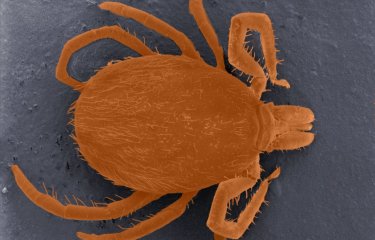
Ticks are arachnids (like spiders or scorpions) belonging to the subclass Acari. There are around 900 species worldwide and approximately 40 in France.
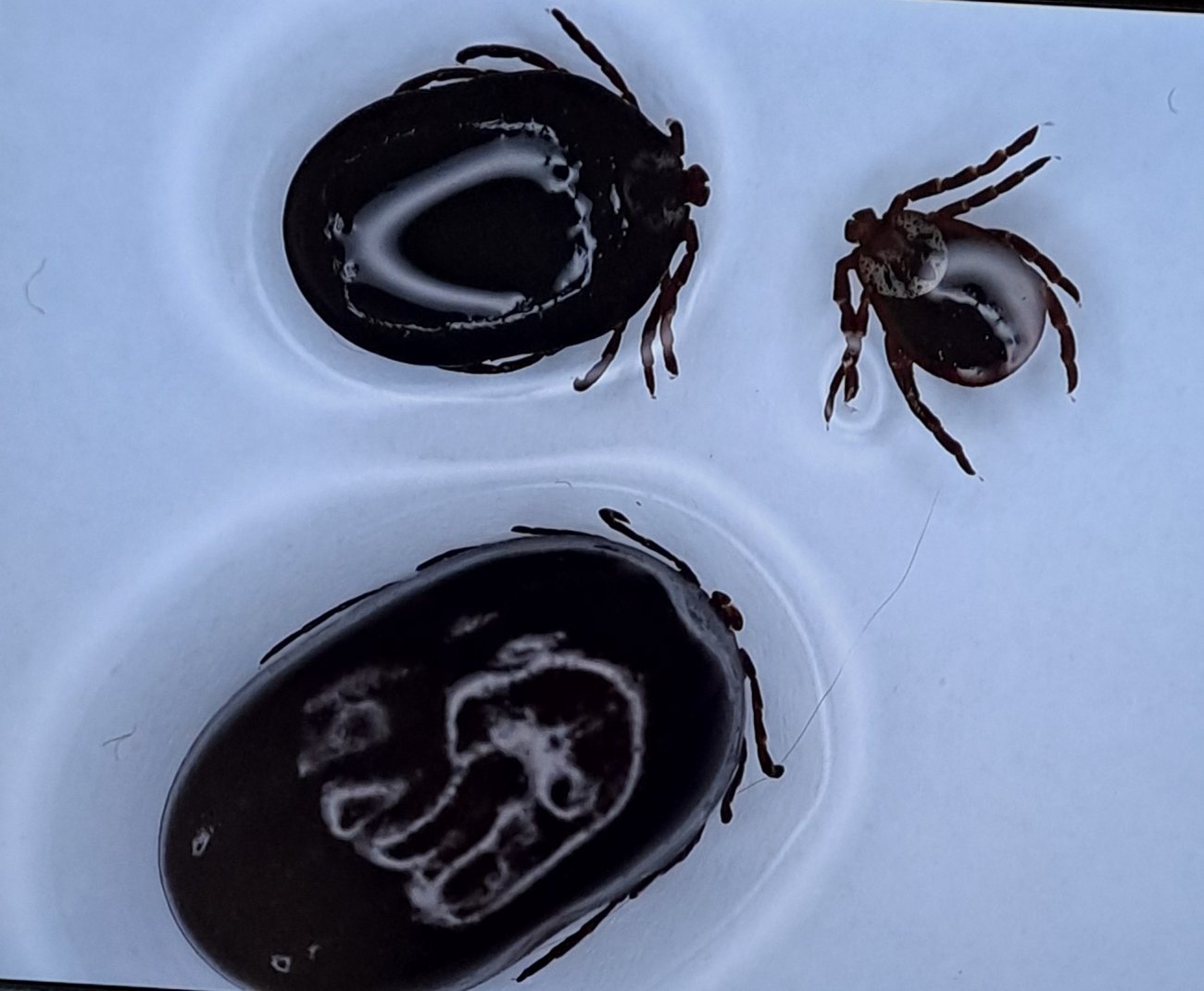
Ticks measure just a few millimeters and have eight legs. Their physical appearance varies depending on the genus they belong to. Ticks of the genus Ixodes – including Ixodes ricinus, the most widespread species in Europe – are 2 to 4mm long before feeding and have short dark legs. Ticks of the genus Hyalomma are 4 to 7mm long and have long striped or banded legs, with alternating light and dark bands.
Ticks are obligate hematophagous creatures, meaning that they feed exclusively on blood. Their blood meal is huge – it can last up to 12 days for the most common species, and some ticks can gain 200 times their body weight!
It is during these blood meals that some ticks may acquire and then transmit microorganisms that are pathogenic for the human or animal they are feeding on.
#2- Which pathogens can be transmitted by ticks?
Although the Borrelia bacteria that cause Lyme disease have been found on a mummified body dating back several thousand years, it was only in the late 1970s that ticks were formally identified as vectors for the disease.
Today the links between ticks and human diseases are increasingly well documented. As Sarah Bonnet, an INRAE Research Director in the Ecology and Emergence of Arthropod-borne Pathogens Unit at the Institut Pasteur, explains, "in the northern hemisphere, ticks are currently the primary vector of pathogens."
The main pathogenic microorganisms that can be transmitted to humans by ticks are:
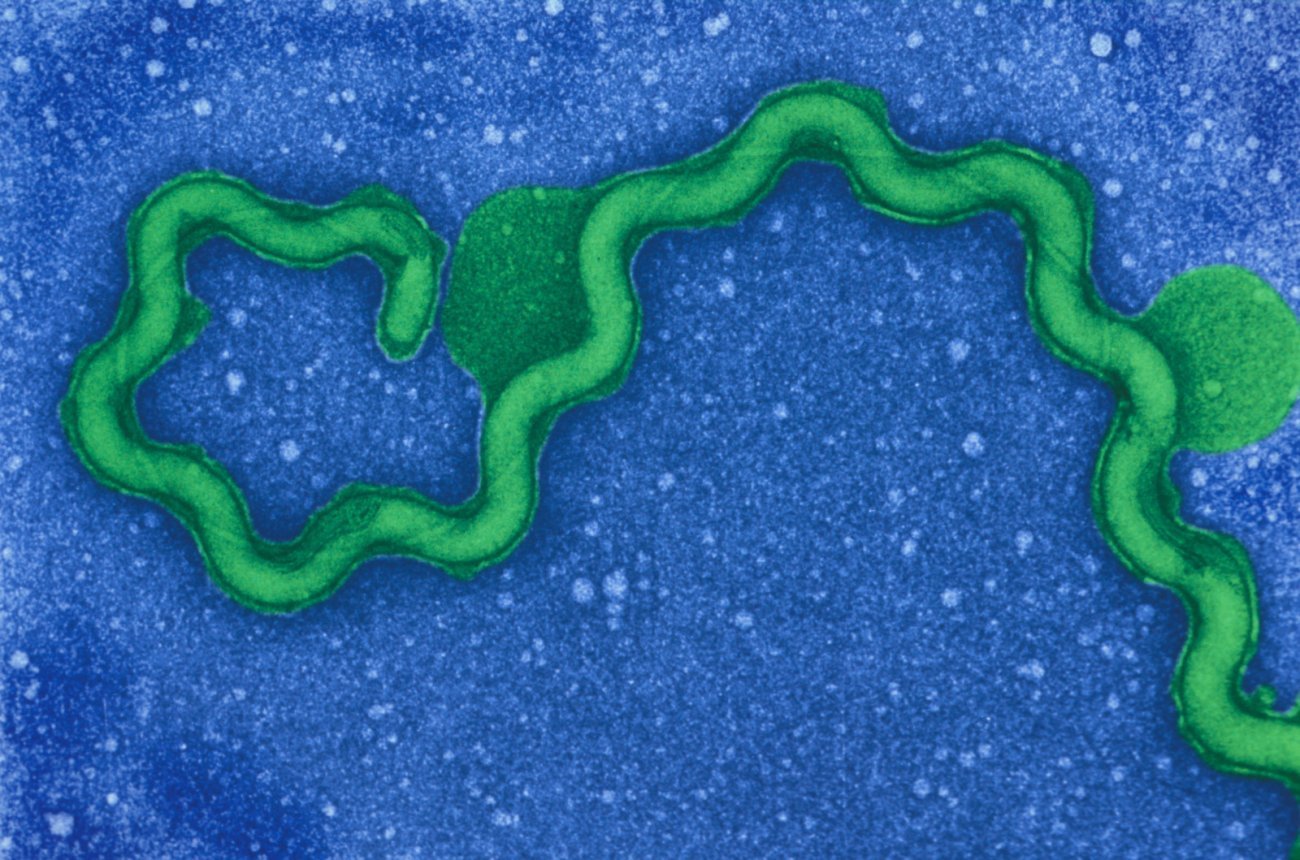
- Borrelia burgdorferi bacteria, responsible for Lyme disease
These bacteria are transmitted by Ixodes ticks in the northern hemisphere, mainly the Ixodes ricinus tick in Europe.
- the Crimean-Congo hemorrhagic fever virus
Hyalomma ticks, including the species Hyalomma marginatum, are vectors of this virus. Hyalomma marginatum ticks can be found throughout the Mediterranean basin, in all the regions between the Black Sea and the Caspian Sea, and in southern areas of mainland France since 2015.
- the tick-borne encephalitis (TBE) virus
This virus, present in Europe and Asia, is spread by Ixodes ticks, generally Ixodes ricinus in Europe. After relatively moderate initial symptoms and a short interval in which the symptoms seem to clear up, the disease can develop into potentially severe forms with central nervous system involvement and possible long-term sequelae.
Ticks can also transmit other pathogens, including:
- bacteria of the genus Rickettsia
These bacteria, found on virtually every continent, cause rickettsial infections, with symptoms including high fever, intense headache, rash, and a characteristic lesion known as an eschar at the bite site. In Europe they are mainly transmitted by ticks belonging to the genera Dermacentor and Rhipicephalus. Rickettsial infections include Mediterranean spotted fever, Rocky Mountain spotted fever and tick-borne lymphadenopathy (TIBOLA).
- Anaplasma phagocytophilum bacteria
These bacteria found in the northern hemisphere have a similar geographical distribution to Ixodes ticks. They are responsible for anaplasmosis, considered an emerging disease, which causes flu-like symptoms such as high fever, intense headache and muscle pain.
Since a single tick, for example Ixodes ricinus, can carry several microorganisms at once, a single tick bite can result in co-infections. But although ticks are capable of transmitting various pathogens to humans, "a tick bite does not necessarily result in disease," stresses Sarah Bonnet. There are several reasons for this:
- the vast majority of ticks do not carry pathogens that are harmful for humans
- even ticks that are infected with a potentially harmful microorganism do not necessarily pass it on to the person they bite (for example if the attachment time is too short)
- an individual who is infected following a tick bite can be protected from disease by their immune system
#3- What are the health risks now and in the future?
Ticks represent a growing public health risk because of global changes including:
- climate change
Rising temperatures are encouraging some tick species to spread to regions that were previously too cold. For example, the geographical distribution of Hyalomma ticks is expanding. They were initially found in the Sahara tropical desert, the desert regions in the Middle East and the temperate deserts in Central Asia, but they have now spread to the open tropical regions of Asia and Africa as well as the Mediterranean.
Ticks belonging to the Dermacentor genus, especially Dermacentor reticulatus, are another example – they are rapidly expanding in Europe as a result of milder winters, and this expansion comes with growing health risks. Research coordinated by Sarah Bonnet's team has revealed for the first time that some Dermacentor ticks in the Paris region carry Rickettsia raoultii bacteria, responsible for TIBOLA.
- greening of urban areas
Urban greening offers many benefits for human health and can help mitigate the effects of climate change by improving air quality, reducing local temperatures and mitigating runoff and flooding risks in the event of heavy rainfall.
But these benefits also create conditions that are more conducive to the spread of ticks in urban areas. Green spaces can encourage wild or commensal animals (e.g. rodents and birds), potential carriers of ticks, to venture into towns and cities and even settle there.
- increased international trade
Transportation of animals, especially farm animals, also encourages the spread of ticks. The classic example is the cattle tick, or Rhipicephalus microplus. Initially found in Asia, this tick was successively introduced to South Africa, South America and West Africa through livestock imports. More generally, the international trade in farm animals is a key pathway for the spread of ticks capable of transmitting pathogens to humans.
We can tackle this growing health risk by adopting some simple preventive measures. When walking in the countryside, it is a good idea to wear long, light-colored clothes and to tuck your trousers into your socks. After getting back, check your skin carefully, and if you see any ticks remove them as quickly as possible. If a tick has attached itself to your skin, it is vital to remove it as soon as possible to reduce the risk of it passing on any pathogens (this may take several hours or even days). The tick can be removed using tweezers or a tick removal tool to make sure the mouth parts are not left behind, which can result in localized infection at the bite site.
Finally, two vaccines are available for tick-borne encephalitis.
To find out more about ticks, you can:
- listen to the interview with Sarah Bonnet for the France Inter program "La Terre au carré"
- read the CNRS special report