Mathilda: The Music Video Giving a Voice Back to Women in Science
- #Enseignement

Despite notable progress, gender inequalities persist in the scientific world. Globally, women represent about 33% of researchers, according to UNESCO. In France, the situation is similarly telling: in STEM disciplines (science, technology, engineering, and mathematics), less than one-third of researchers and only a quarter of engineers are women, according to a Senate report published on October 8, 2025. This imbalance illustrates the “glass ceiling” they face: while women represent 49% of PhD students, their presence drops sharply in leadership positions and senior scientific careers.
At the same time, initiatives aimed at making the contributions of women scientists more visible are multiplying. In 2026, 72 names of women scientists, including five women from the Institut Pasteur, will be inscribed on the Eiffel Tower—a powerful symbolic gesture correcting a long-standing historical omission and injustice. Until now, the 72 names engraved since 1889 were exclusively those of male scientists. This highlights how such recognition, although welcome, remains long overdue.
It is within this context of growing awareness that new forms of engagement are emerging, often driven directly by young scientists themselves.
A doctoral researcher at the Institut Pasteur, Yaëlle Wormser is part of this movement. Alongside her research on tuberculosis, she develops an artistic project under the name Lady Pipette, blending urban music and scientific culture to make research more accessible and to address contemporary societal issues. With Mathilda, she offers an original creation that questions the place of women in the history of science while giving visibility—and voice—to paths that have long remained in the shadows.
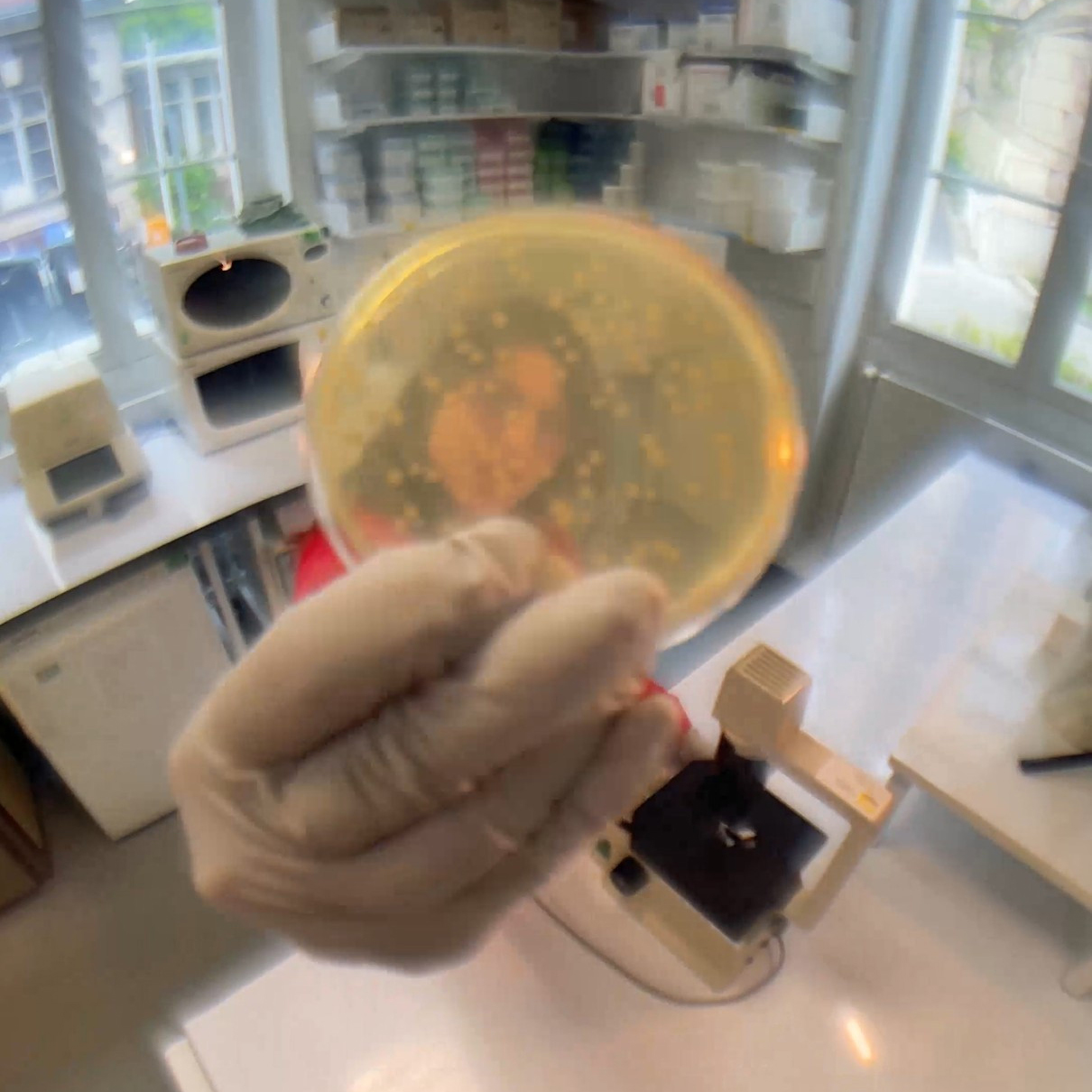
The Matilda Effect: A Systemic Bias Still at Work
The title of the song refers to the Matilda effect, a phenomenon well documented in the history of science. The term was theorized by historian of science Margaret W. Rossiter and describes the tendency to minimize or even erase the contributions of women scientists, which are often wrongly attributed to their male colleagues.
Numerous examples illustrate this bias: major discoveries recognized only belatedly, awards attributed to others, or names erased from official narratives. The Matilda effect is not merely a relic of the past—it continues to shape scientific careers today, influencing recognition, opportunities, and the legitimacy granted to women in research.
This observation is precisely what motivated Yaëlle Wormser to create Mathilda. Through this project, she aims both to make these mechanisms visible and to offer encouragement to those who may still doubt their place in science:
“I wanted to write this song for all those who still doubt their legitimacy to do science. And also to inspire and encourage young girls to pursue this field.”
The lyrics of the song reflect this ambition: they combine historical references, personal emotions, and a universal message. By giving a voice to those whom history has sometimes silenced, Mathilda does more than denounce injustice—it repairs, transmits, and inspires.
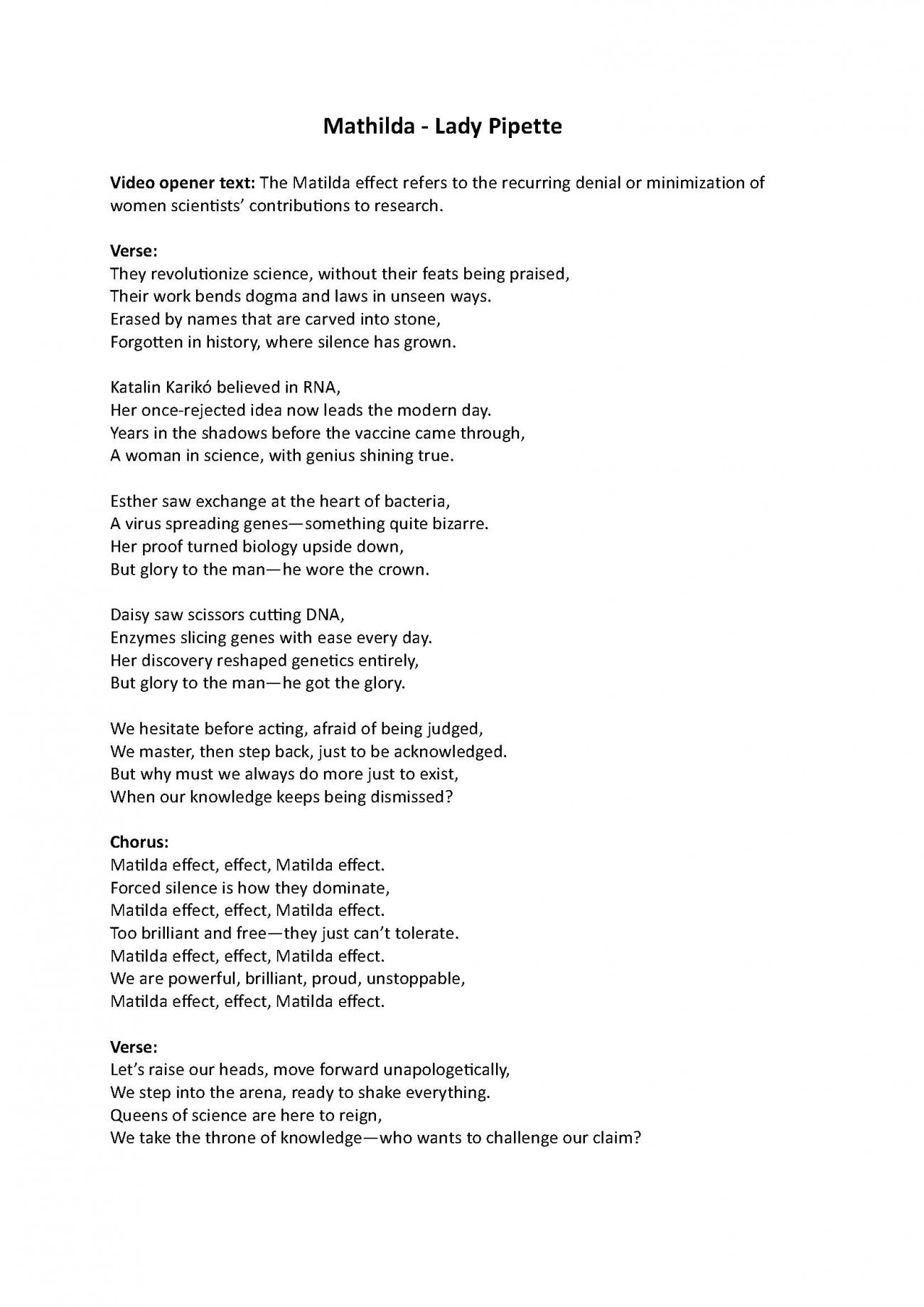
A Tribute to Five Pioneering Women Scientists
Lady Pipette pays tribute to five major figures in science whose contributions have often been underestimated or overlooked:
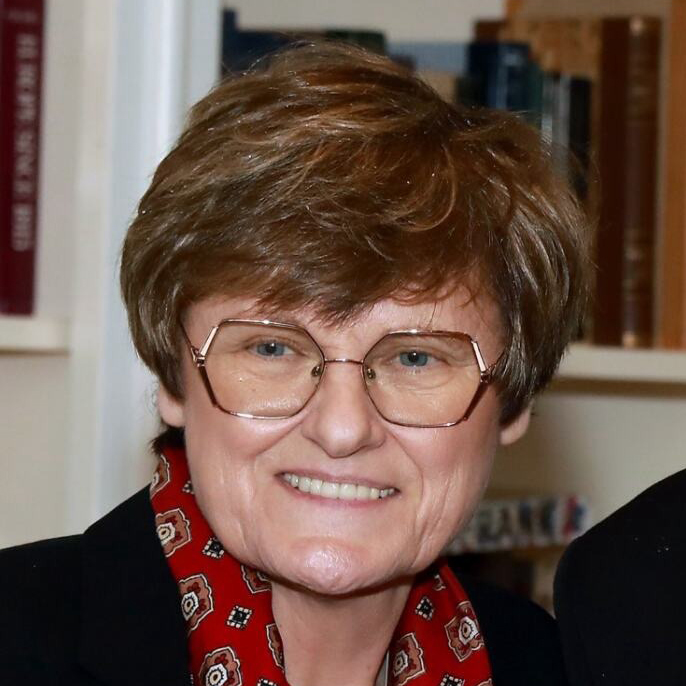
Katalin Karikó
A pioneer in the clinical applications of messenger RNA, whose work was essential for the development of mRNA vaccines during the recent COVID-19 health crisis.
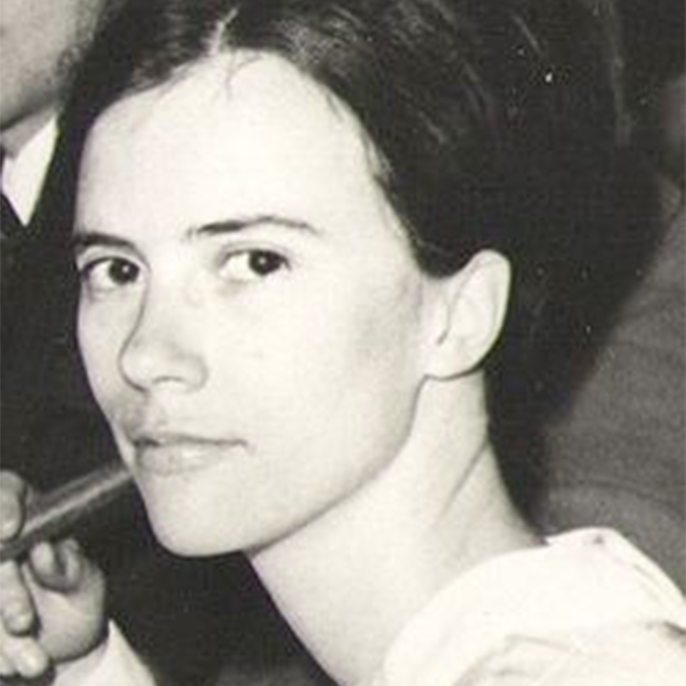
Daisy Dussoix
Co-discoverer of restriction enzymes, which revolutionized modern molecular biology and make it possible to manipulate genetic code.
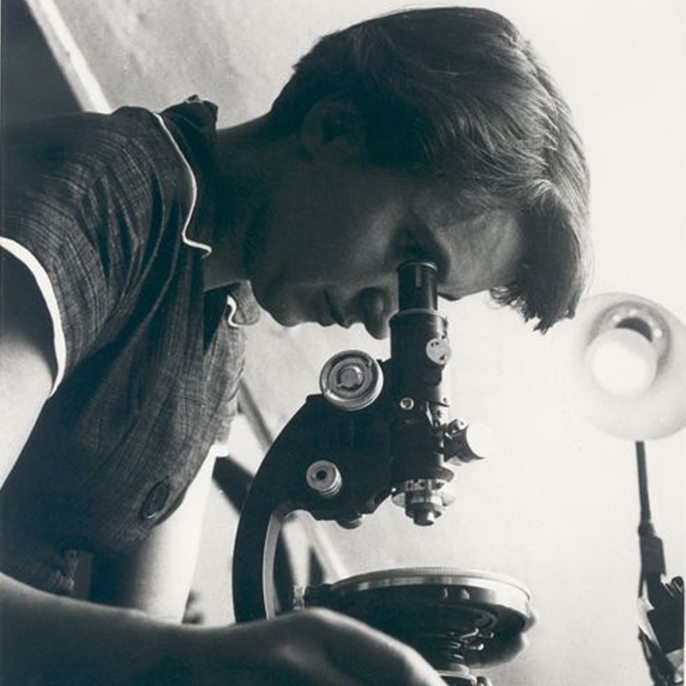
Rosalind Franklin
Whose X-ray diffraction images were crucial to uncovering the structure carrying the genetic code (DNA).
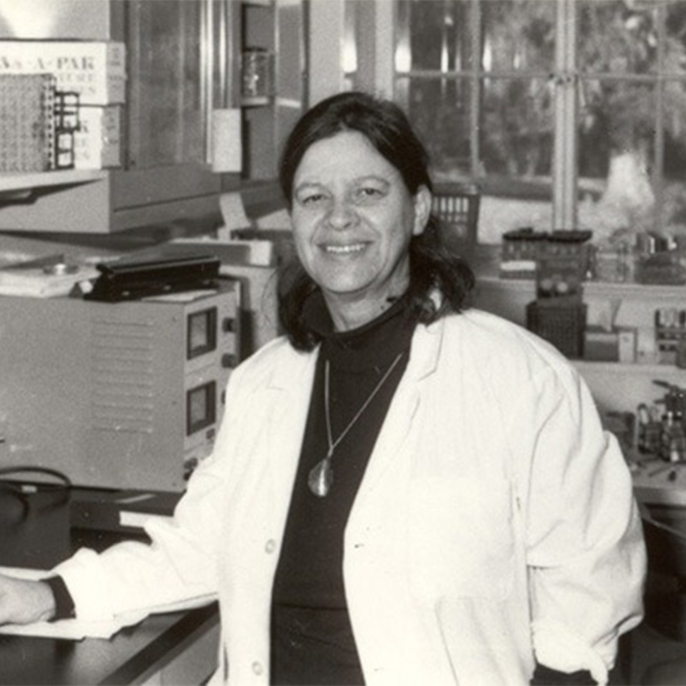
Esther Lederberg
A key figure in bacterial genetics and in the discovery of viruses that infect bacteria (phages).
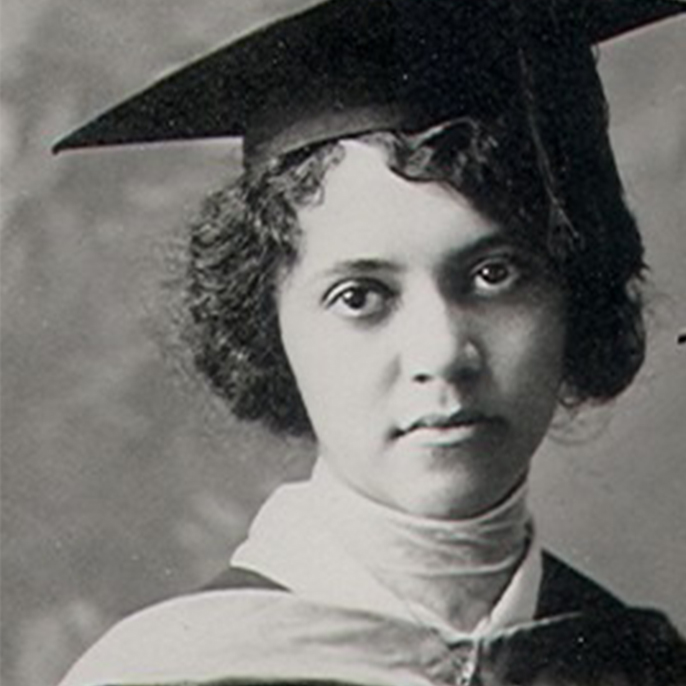
Alice Ball
A chemist who developed an innovative treatment for leprosy.
Yaëlle explains the choice of these five women while emphasizing the difficulty of limiting her tribute to so few names:
“I would have loved to mention more women scientists who have been overlooked or forgotten, such as Agnes Ullmann, Marie Pasteur, Lise Meitner, Élie Metchnikoff, and so many others whose journeys also illustrate the consequences of the Matilda effect. But there are so many that the choice was difficult! This song is an invitation to discover all the women who have contributed to our history and to major scientific advances.”
Share the Message of Mathilda
Mathilda is more than a song—it is a call to recognize and celebrate women in science. The video, produced by the Education Department of the Institut Pasteur, is available on all streaming platforms as well as on the Pasteur Education LinkedIn and YouTube accounts and on Lady Pipette’s Instagram and TikTok accounts.
Feel free to watch it, share it, and spread the message to inspire and encourage the next generation of scientists. Every share helps make visible those who are shaping the history of research.
Learn more about the Matilda Effect
Discover The Matilda Project, an initiative highlighting the overlooked contributions of women in science: Explore the project
Diversity, Equity, and Inclusion at the Institut Pasteur
The Institut Pasteur is committed to promoting an inclusive, equitable, and respectful environment where every talent can fully contribute to the advancement of science. Its DEI Department develops concrete, cross-institutional initiatives to combat discrimination, promote diversity in all its forms, and strengthen gender equality—particularly through its Gender Equality Plan (GEP, 2022), awareness and training programs, and dedicated groups and networks. In 2025, the Institute achieved a 99% score on the French professional gender equality index and counts 40.7% women among its leadership bodies, demonstrating its long-term commitment to a more inclusive science.