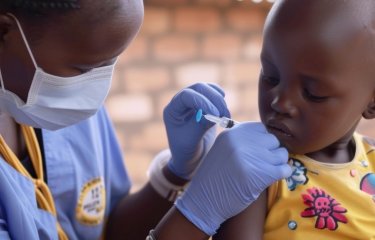


Over time, various vaccine technologies have been developed, all based on the same idea of exposing the body to a weakened pathogen or pathogenic element so that the immune system can learn to recognize and defend against it. We take a look at the principles, advantages and limits of the main types of vaccine currently available.
Live attenuated vaccines
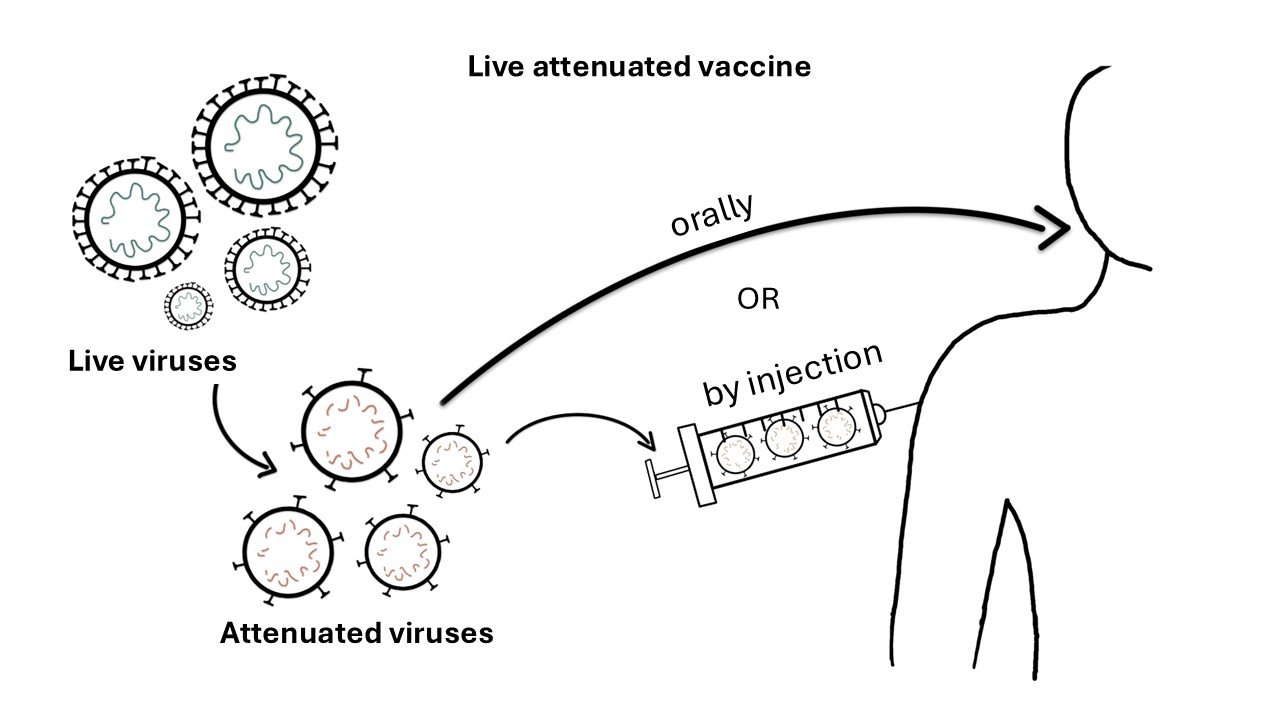
Principle: a weakened or very similar version of the virus or bacteria is used. This weakened microbe is no longer capable of causing disease, but it remains sufficiently recognizable for the immune system to learn to defend against it effectively.
- Advantages: very effective and offer lasting protection, often with just one or two doses, with no need for a booster shot
- Limits: not recommended for vulnerable individuals (e.g. immunocompromised people or pregnant women), strict precautions required during manufacturing
- Examples: yellow fever, MMR (measles, mumps and rubella), chickenpox, shingles, rotavirus, tuberculosis (BCG), some influenza vaccines
Inactivated vaccines
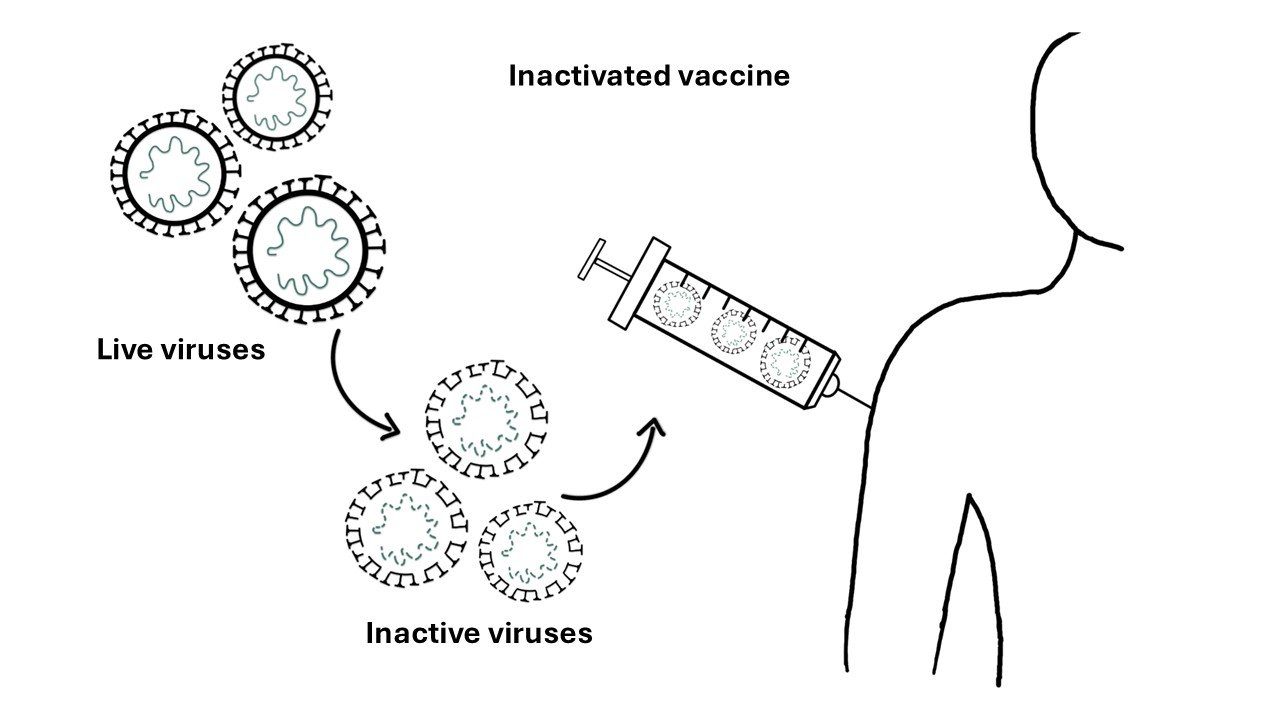
Principle: the microorganism responsible for disease (or a very similar microorganism) is "killed" by heat, chemicals or radiation so that it becomes inactive. It is no longer able to proliferate and cause disease, but once again it remains sufficiently recognizable for the immune system to learn to defend against it.
- Advantages: safe because there is no risk of the microbe reverting to a virulent form, stable, few side effects, can even be administered to immunocompromised individuals
- Limits: the immune response is sometimes weaker than with a live attenuated vaccine; often several doses or boosters are required
- Examples: hepatitis A, influenza, polio
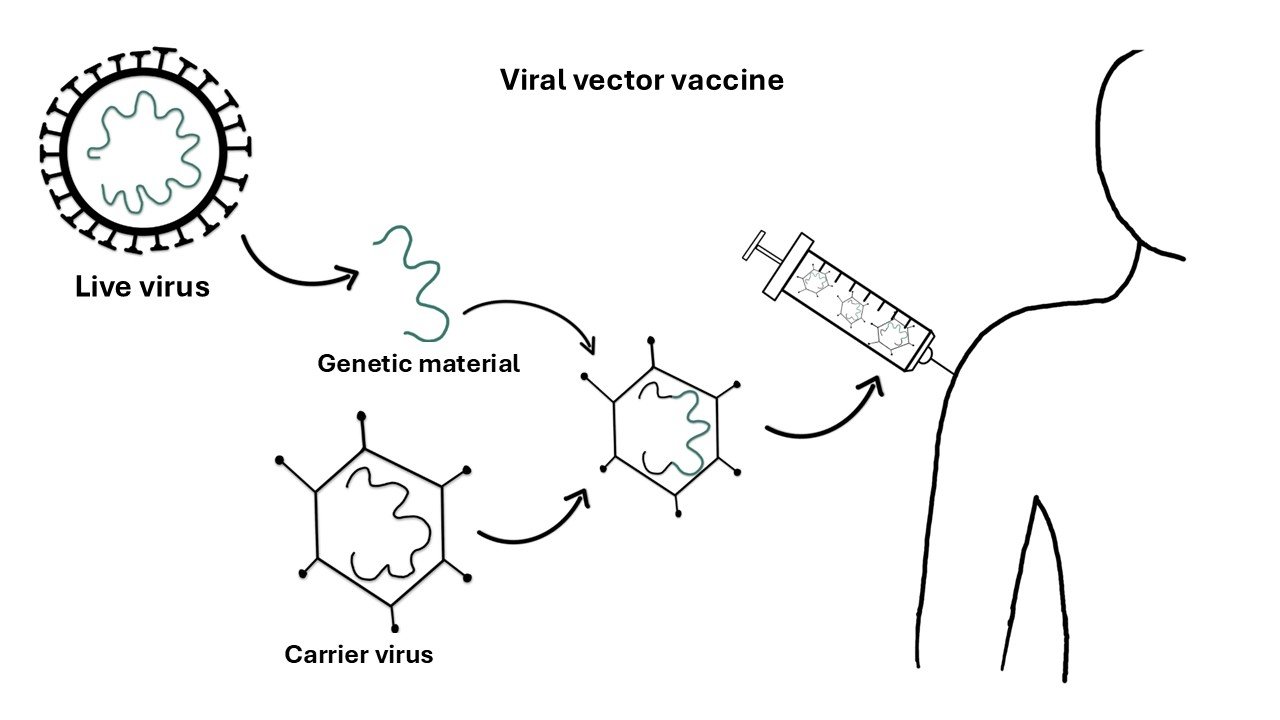
Viral vector vaccines
Principle: a non-pathogenic, harmless virus (like adenovirus) is used as a "carrier." This messenger virus delivers specific elements of the pathogen to the body, triggering a protective immune response against the pathogen without causing disease.
- Advantages: induce a strong immune response, can be developed quickly
- Limits: more complex to manufacture, and if the body has already come into contact with the carrier virus they may be less effective
- Examples: Ebola (Ervebo vaccine), some COVID-19 vaccines
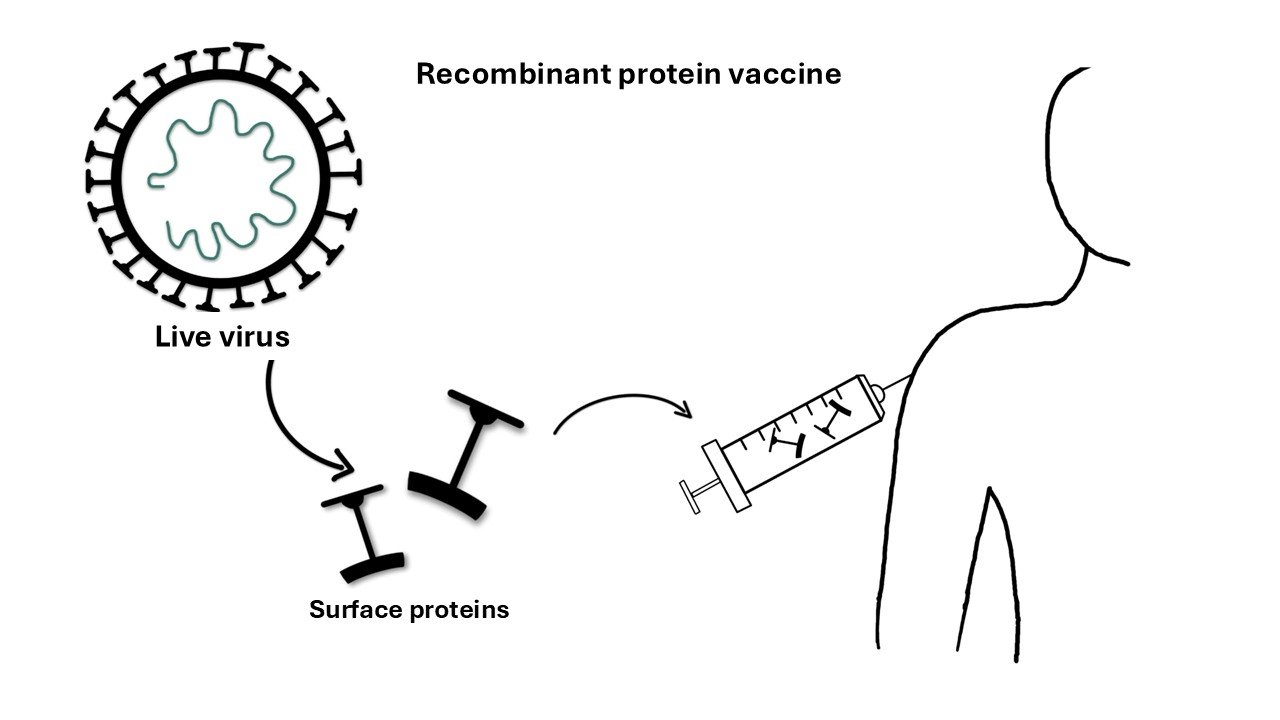
Recombinant protein vaccines
Principle: one or more fragments of the pathogen (often surface proteins) are engineered in the laboratory and injected into the body. The immune system learns to recognize this characteristic part of the pathogen.
- Advantages: strong immune response, highly targeted stimulation of the immune system
- Limits: adjuvants are sometimes required to stimulate the immune response, booster shots are often needed
- Examples: hepatitis B or papillomavirus (HPV), some COVID-19 vaccines
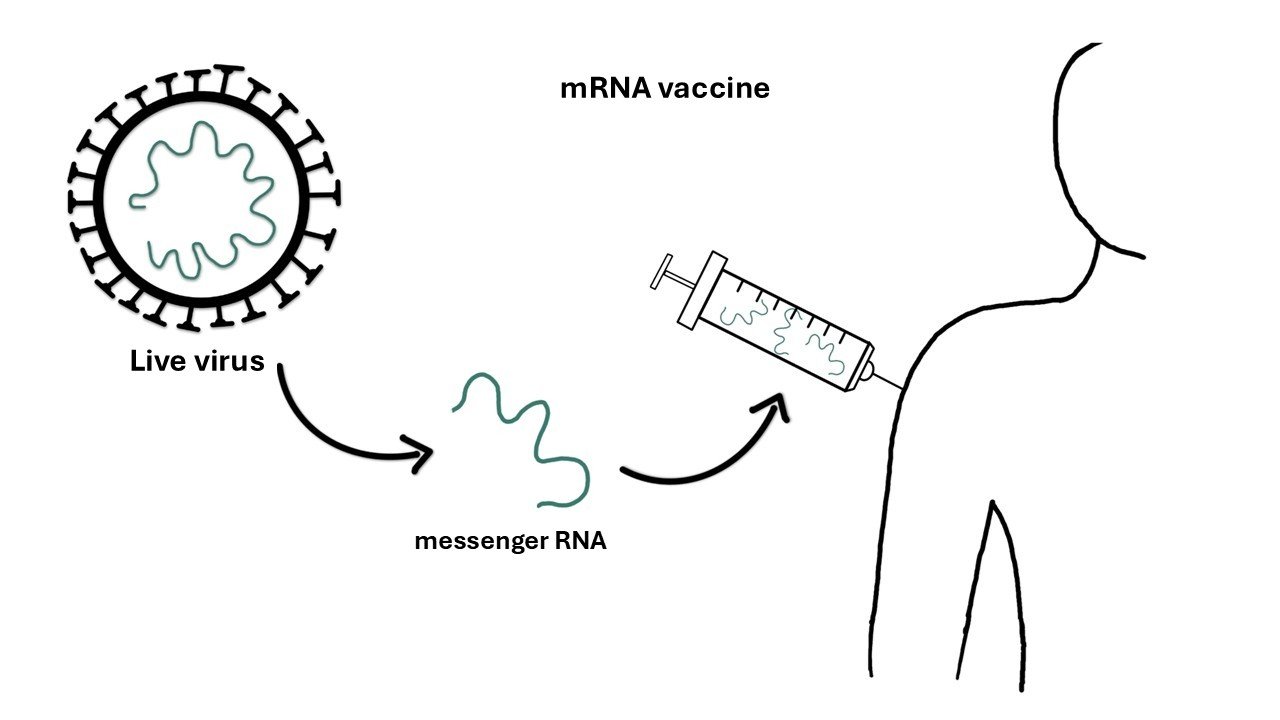
Messenger RNA vaccines
Principle: instead of providing the protein directly, the vaccine gives the body the recipe to produce the protein itself. A fragment of the pathogen's genetic material is injected into the body in the form of messenger RNA (mRNA). This fragment contains the instructions for the body's own cells to manufacture the pathogen's characteristic proteins. The immune system then recognizes these proteins and learns to defend itself against the pathogen.
- Advantages: can be designed and produced quickly, highly adaptable in the event of new variants
- Limits: complex cold-chain logistics, even though processes for conserving the vaccines at "normally" low temperatures (-20°C, 4°C), or even at room temperature, have now been developed
- Examples: mRNA vaccines for COVID-19
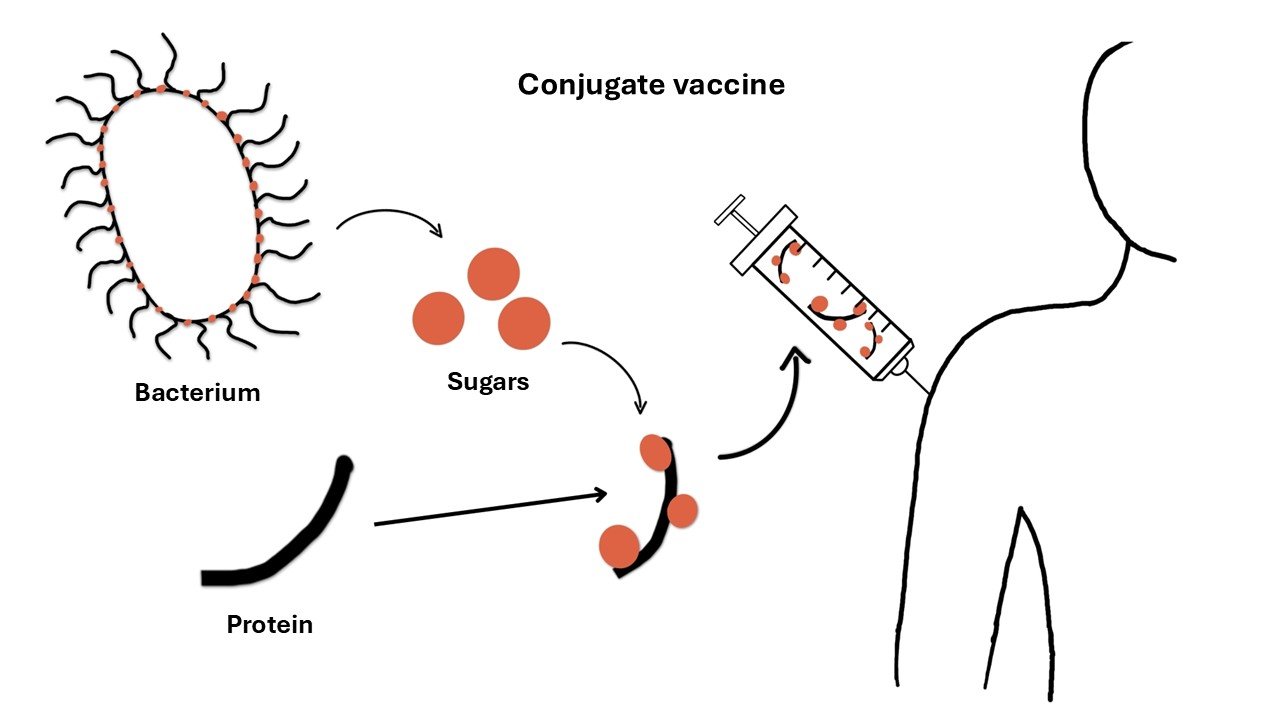
Conjugate vaccines
Principle: these vaccines are based on the chemical association ("conjugation," hence the name) of a sugar (a polysaccharide) derived from the bacterial coating with a carrier protein. This combination helps the immune system to recognize and memorize the pathogen more effectively, particularly in young children whose immune system is still developing.
- Advantages: very effective in infants and young children, lasting protection over time
- Limits: complex to produce
- Examples: pneumococcal vaccine, meningococcal vaccine
To learn more about vaccines, check out our report