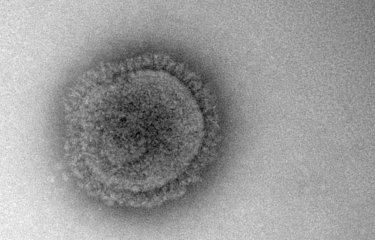


Several pathogens have adapted to winter conditions and circulate on a seasonal basis in the northern hemisphere. These include seasonal influenza viruses, currently under heightened surveillance; viruses responsible for bronchiolitis in infants; and coronaviruses. Only a handful of the hundreds of respiratory and stomach viruses in circulation cause significant winter epidemics.
Every winter, viruses affect millions of people in France, placing huge pressure on healthcare facilities. Given the diverse nature of these viruses and their impact on healthcare systems, identification and epidemiological surveillance are crucial.
Two main categories of virus dominate the winter season:
- respiratory viruses, which cause colds, seasonal flu, bronchitis and bronchiolitis;
- viruses responsible for gastroenteritis (stomach flu), commonly known as "rotavirus" and "norovirus."
One characteristic of winter viruses is that the severity of the illness they cause varies considerably depending on the age and health of the person infected. An immature or declining immune system, as well as anatomical aspects such as small airways in infants, are key contributing factors.
The influenza virus and seasonal flu: a major public health challenge
Influenza viruses are responsible for contagious respiratory infection. They are characterized by great genetic variability, which is why the composition of the flu vaccine needs to be changed each year.
Every winter, seasonal epidemics affect between 2 and 6 million people in France, with around 10,000 excess deaths associated with influenza, mainly among vulnerable individuals such as elderly people, pregnant women, people with chronic illnesses and infants. As well as these predictable annual outbreaks, the pandemic risk associated with zoonotic influenza (transmitted from animals to humans) is also a major global public health concern.
In addition to basic hygiene measures (hand washing, wearing a mask when symptomatic and keeping rooms well ventilated), annual influenza vaccination continues to be the most effective way to protect yourself and those around you, especially people at risk.
Influenza: the right precautions. Vincent Enouf, researcher at the Institut Pasteur © Institut Pasteur (french audio, english subtitles available and generated by AI)
Respiratory syncytial virus and bronchiolitis: a health threat for infants
Respiratory syncytial virus (RSV) is the main pathogen responsible for bronchiolitis, an infection that affects nearly 30% of children under the age of two every winter (see Why does bronchiolitis only affect infants?). RSV is responsible for 60-90% of bronchiolitis cases, making it a major challenge for children's health during the winter months.
Bronchiolitis causes swelling of the small airways in the lungs, known as the bronchioles. Since infants have narrower airways, this can make it hard for them to breathe. Infection starts with a cold and moderate fever, then progresses to a cough and rapid, wheezing breathing, sometimes resulting in difficulty drinking, feeding and sleeping. If your child is finding it hard to breathe or feed, you should consult a doctor immediately.
Treatment involves regularly clearing the infant's nasal passages using nose drops or a spray, and giving them multiple smaller snacks rather than large meals. Antibiotics are rarely necessary. Preventive solutions are also now available: pregnant women can be vaccinated towards the end of their pregnancy, and antibodies can be directly administered to infants, offering 70-80% protection against severe infection. Hygiene measures remain essential: hand washing, frequent ventilation, mask wearing for adults with colds, and limiting contact with infants under the age of 3 months.
What is bronchiolitis? Marie-Anne Rameix-Welti, researcher at the Institut Pasteur © Institut Pasteur (french audio, english subtitles available and generated by AI)
Coronaviruses: a viral family under constant surveillance
The coronavirus family, which became widely known with the emergence of SARS-CoV-2, responsible for COVID-19, also includes viruses that cause mild winter respiratory infections (common colds). Some coronaviruses can cause serious infections, as demonstrated by the COVID pandemic in 2020-2021, the SARS epidemic in 2003 and the MERS epidemic that has been ongoing since 2012. These viruses are under constant surveillance, particularly given the prevalence of international travel and the risk of new variants emerging.
Winter viruses are highly diverse in nature, ranging from influenza viruses that infect millions of people every winter to RSV, which particularly affects infants, and the varied profiles of the coronavirus family. They require continued epidemiological surveillance, especially given the impact of climate change (see Priority 2 of the Pasteur 2030 Strategic Plan), which can alter seasonal dynamics, and population flows that are encouraging the rapid spread of viral strains worldwide.
Respiratory virus surveillance: the role of the Institut PasteurThe Institut Pasteur plays an important role in epidemiological and virological surveillance of winter viruses through its National Reference Center (CNR) for Respiratory Infection Viruses. The CNR monitors the circulation of influenza viruses, RSV (respiratory syncytial virus, responsible for bronchiolitis) and coronaviruses in real time, thereby contributing to early warning systems and helping shape health guidelines during the winter season. The RELAB network also provides real-time tracking of respiratory viruses among the French population (COVID-19, influenza and bronchiolitis in all regions of France and for different age categories). RELAB is a surveillance network involving non-hospital-based medical test laboratories. Finally, in December 2025, in order to better anticipate the dynamics of the flu epidemic in France, the Institut Pasteur and Santé publique France (The French National Public Health Agency) launched a unique modelling system enabling them to predict the evolution of the epidemic in France and anticipate its peak. Read (in French) Prévisions de la grippe saisonnière en France : un outil supplémentaire pour anticiper l’évolution de l’épidémie
|