

What are ultra-processed foods? What impact do they have on the gut microbiota and our health? With ultra-processed foods now a major public health issue, the Institut Pasteur takes a look at food additives and related risks.
#1-What is defined as ultra-processed food?
We should start by making the important distinction that not all industrially produced foods are ultra-processed foods (UPFs). Frozen fruit and vegetables, canned vegetables and carton soups are all examples of food products that can be packaged and prepared at large-scale without additives or any major processing.
Processing is therefore the first criterion used to define UPFs. This includes fractioning and breakdown of whole foods, chemical modifications, and industrial reconstitution. UPFs also contain substances not used in home cooking, such as food additives added for various purposes. The main additives used in UPFs are:
- Emulsifiers
These substances give products a consistent look and improve their texture. Lecithin is the most commonly used type of emulsifier. Emulsifiers are either named on the product packaging or identified by a code that is usually between E400 and E499.
- Preservatives
These substances are used to extend the shelf life of products. Preservatives are either named on the product packaging or identified by a code that is usually between E200 and E399.
- Colorings
These substances standardize and improve the way products look. Food colorings are either named on the product packaging or identified by a code that is usually between E100 and E199.
- Flavor enhancers
These substances are added to products to enhance flavor perception. Flavor enhancers are either named on the product packaging or identified by a code between E620 and E650.
- Sweeteners
These substances add sweetness to products. Aspartame is probably the most well-known sweetener. These substances are either named on the product packaging or identified by the codes E420, E421 or E950 to E969.
When comparing two similar-looking food products, the inclusion of these additives on the label is a key factor for distinguishing between a UPF and a non-ultra-processed food. For example, some types of industrially produced sandwich bread are free of food additives and therefore not classed as UPFs. Other types of industrially produced sandwich bread, containing additives such as preservatives and emulsifiers, are classed as UPFs.
In France, it is currently estimated that UPFs account for around a third of adults' calorie intake. What impact does this have on our bodies? The multitude of published and ongoing scientific research projects on this topic go some way to answering these questions.
#2-What impact do ultra-processed foods have on the gut microbiota?
The gut microbiota is an extremely complex ecosystem made up of billions of bacteria, viruses and fungi that interact with each other and our bodies' cells. It is therefore extremely difficult to ascertain how a given food type affects it.
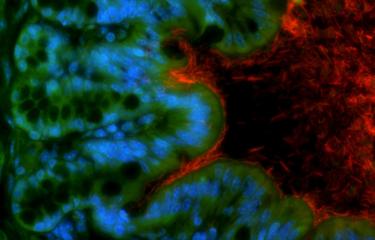
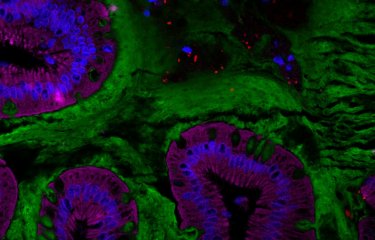
However, several research projects have demonstrated the impact of UPFs on the gut microbiota and shown that this impact can even be passed down between generations. For example, the team led by Benoit Chassaing, Inserm Research Director and Head of the Institut Pasteur's Microbiome-Host Interactions laboratory, coordinated a project that demonstrated, in an animal model, that emulsifier consumption in mothers altered their offspring's gut microbiota, leading to an increased risk of developing certain types of chronic inflammatory diseases in adulthood.
UPFs also affect the microbiota by replacing fiber-rich foods. This deprives microorganisms in the gut microbiota of fiber, which is one of their main sources of nutrients. Since most UPFs are low in fiber, their consumption gradually leads to lower microbial diversity and imbalance in the microbiota, known as dysbiosis.
Lastly, the microbiota may be a complex ecosystem, but it is also unique to each individual. Through an analysis of microbial DNA, this specificity could provide the key to determining individuals' sensitivity to emulsifiers and fiber, ultimately paving the way for personalized nutritional guidance.
#3-What impact do ultra-processed foods have on health?
The consumption of UPFs affects the gut microbiota in various different ways. It also affects people's health, regardless of whether the microbiota is involved. Key outcomes of the NutriNet-Santé participatory study, launched in 2009 with the inclusion of tens of thousands of volunteers, included an improved understanding of links between nutrition and health and evidence of the harmful effects of UPFs.
According to several recent studies:
- the consumption of food colorings is linked to an increased risk of type 2 diabetes and cancer
- the consumption of emulsifiers is linked to a risk of type 2 diabetes, cancer and cardiovascular disease
- UPFs have an adverse effect on male fertility, possibly through the action of endocrine disruptors
- depressive disorders are linked to the consumption of UPFs. This link was revealed by research conducted on thousands of volunteers in countries including France and the United States.
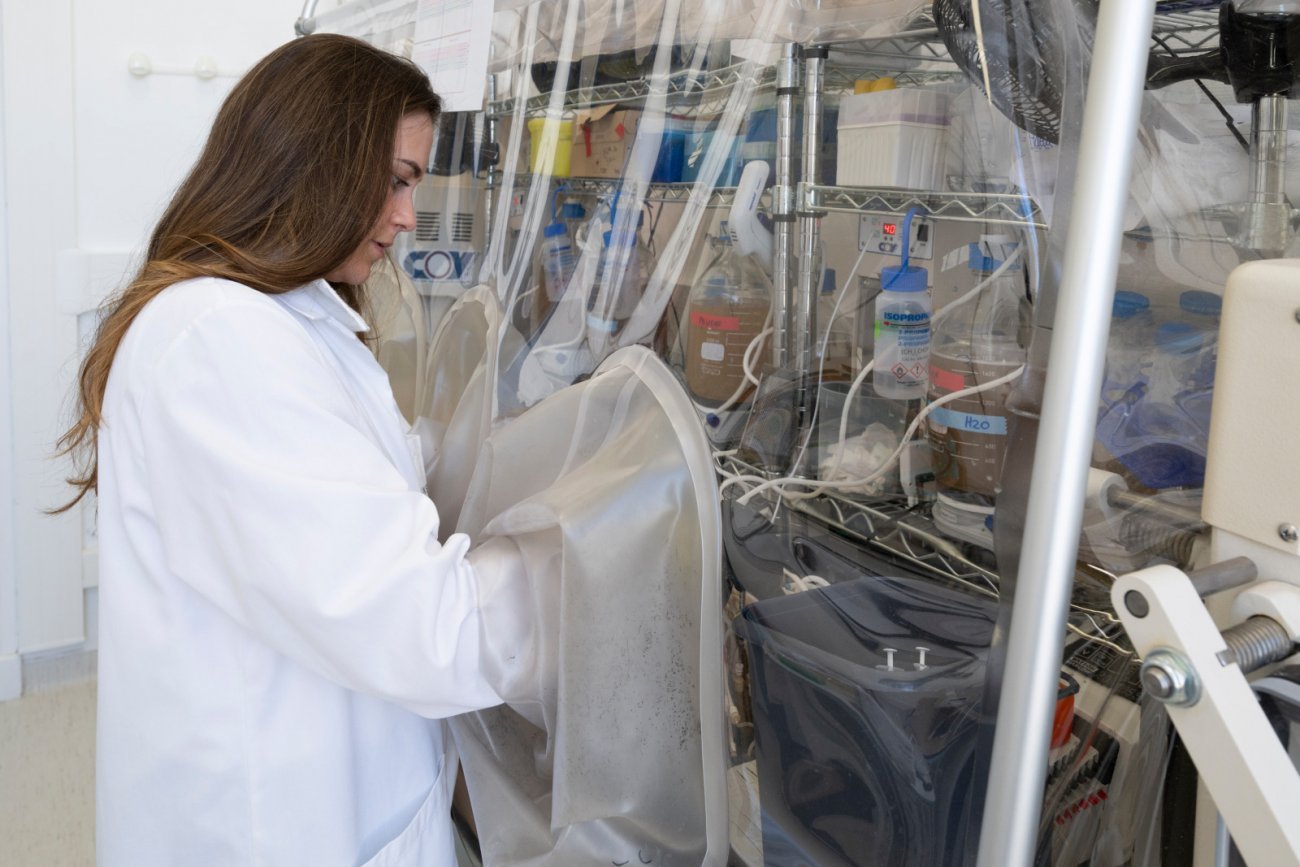
"By modifying the microbiota, food additives can clearly contribute to the onset of obesity. They can also promote certain types of bacteria linked to colorectal cancer," comments Benoit Chassaing. "In a recently published study, we also demonstrated that some emulsifiers can cause certain types of bacteria in the microbiota to evolve genetically, increasing their ability to colonize our gut and cause inflammation. These more aggressive bacteria are involved in Crohn's disease, an increasingly widespread chronic condition," he adds.
Food packaging (plastic films, aluminum trays, etc.) also raises a number of concerns. It is frequently in contact with UPFs and contains potentially toxic substances. What proportions of these substances does it take to contaminate food? What impact does this have on our health? A major study, entitled the FoodContact project, is currently being conducted to provide greater clarity on these issues.