News 6 min read

A snapshot of 2021's highlights

Published the Updated

Following the release of the 2021 edition of the Institut Pasteur's Annual Report, here are some of the year's highlights. Twelve eventful months interspersed with highlightsmajor scientific breakthroughs and key events for the institute in all fields including COVID-19, cancer, neuroscience, genetics, vaccinology and antibiotic resistance.
  • #Snapshot
  • #Rapport annuel
  • #Faits marquants
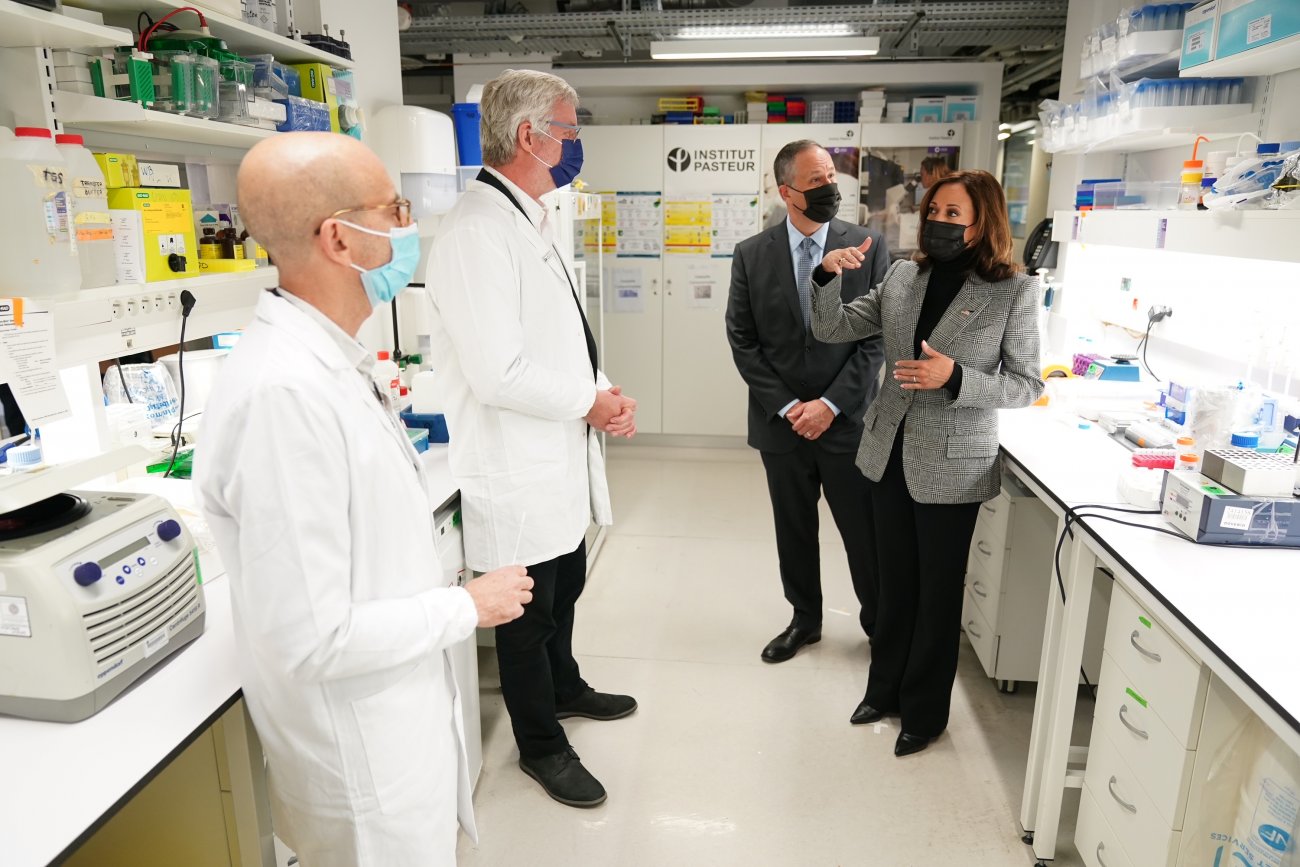
Kamala Harris - Institut Pasteur


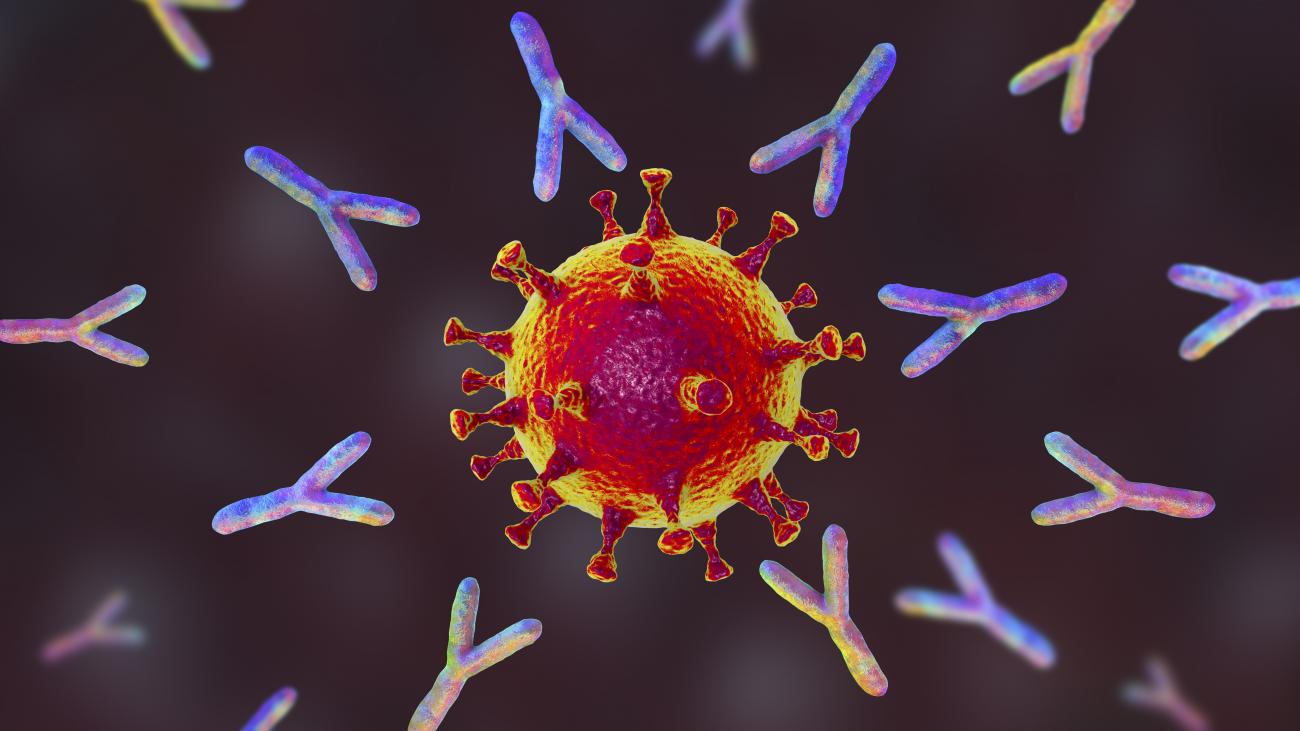
In particular, the year 2021 was again marked by the COVID-19 epidemic. Over the years 2020 and 2021, this represents more than 200 scientific publications concerning the modelling of the epidemic dynamics, the identification of transmission sites, the analysis of the immune response and the host-virus relationship... Those scientific projects that are part of an international mobilisation, within the Pasteur Network. The CNR of Virus of Respiratory Infections continued its work of genomic surveillanceon and sequencing of SARS-CoV-2 variants. The year 2021 also saw the development of therapeutic antibodies by the antiviral molecule screening platform (start-up SpikImm), 107 technology transfer contracts signed, and a renewed investment in public information and advice to public authorities.
Download the 2021 Annual Report - Institut Pasteur

Publication of the annual report 2021

Read about the highlights of the year and all our scientific and medical advances in the 2021 annual report.

As well as all of Institut Pasteur's activities in research, development of research applications, public health, and teaching/training.


February

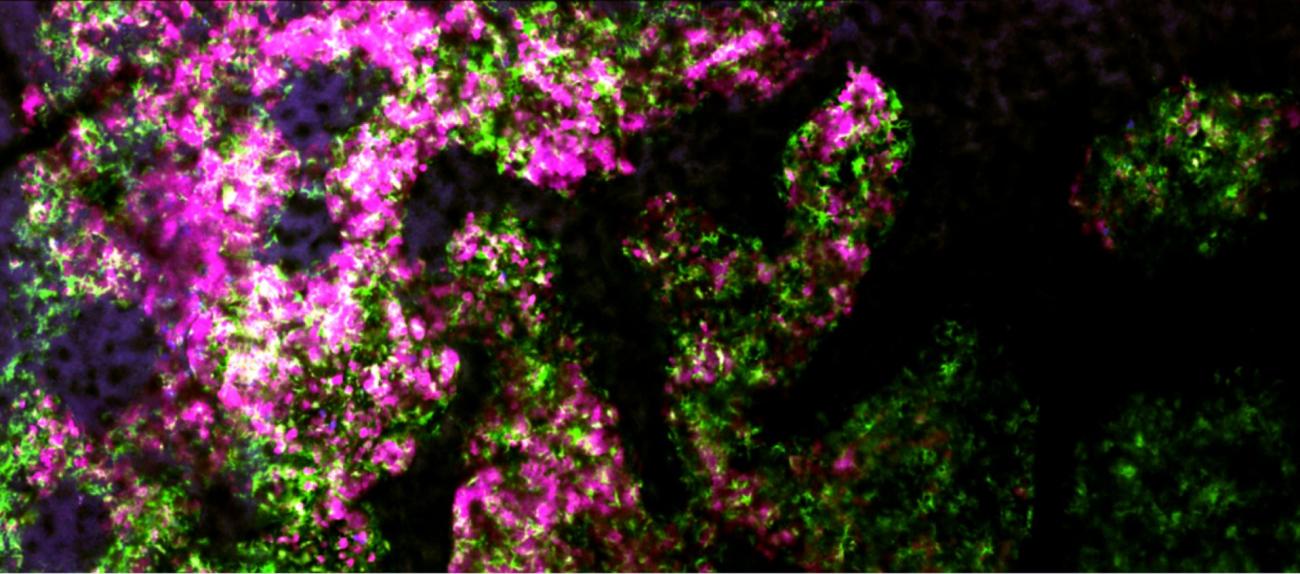
Lymphoma: real-time exploration to improve immunotherapies

Using in vivo imaging approaches, scientists visualized in real time how monoclonal antibodies, used to treat B-cell lymphoma, guide the immune system to attack tumor cells.

Science Advances, February 19, 2021.


Immune cells learn to control SIV replication in a lymph node

A research team demonstrated how natural killer cells responsible for immune surveillance successfully control replication of SIV (in French), the primate equivalent to HIV, in some monkey species.

Nature Communications, February 24, 2021.


March

Analysis of the outcomes of patients hospitalized during the first few months of the COVID-19 pandemic in France

A retrospective study of national surveillance data was used to develop a probabilistic model for analyzing detailed patient trajectories (in French) based on 198,846 hospitalizations in France during the first nine months of the pandemic.

Lancet Regional Health Europe, March 21, 2021.


COVID-19: analysis of the sensitivity of the UK and South African variants to neutralizing antibodies

The study of sensitivity to neutralizing antibodies demonstrated that the UK (Alpha) variant is neutralized to almost exactly the same degree as the reference virus whereas the South African (Beta) variant is six-fold less sensitive.

Nature Medicine, March 26, 2021.


April

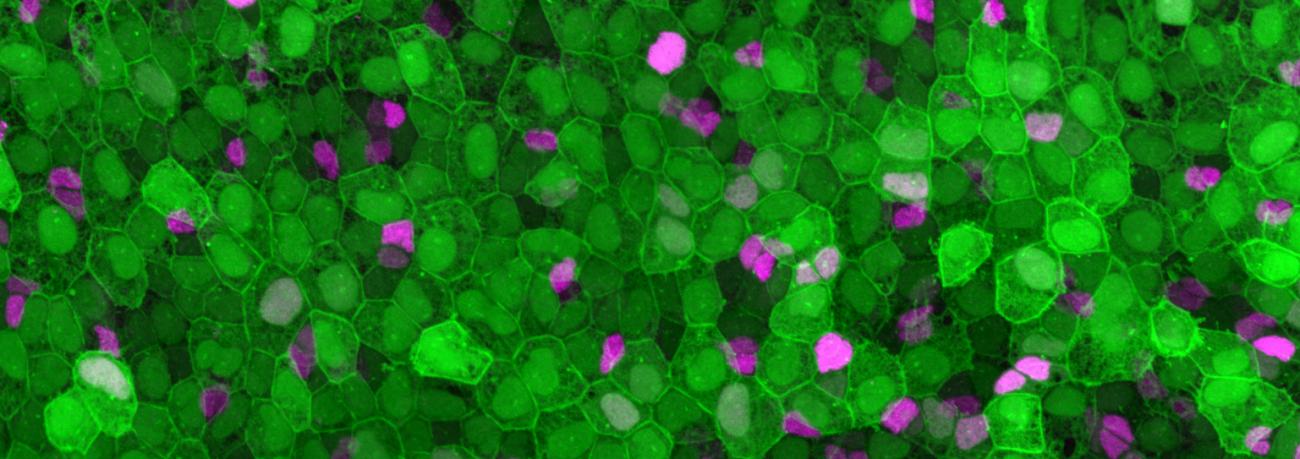
Light shed on the coordination of neural stem cell activation

Scientists visualized and analyzed the spatial and temporal distribution of neural stem cell activation in zebrafish brains.

Cell Stem Cell,  April 5, 2021.


Retracing the history of human evolution and admixture in the South Pacific

Using genome sequencing from 320 individuals, scientists deduced how human populations have adapted to the Pacific islands and how this has affected their current state of health.

Nature, April 14, 2021.


Description of the biosynthesis pathway of a new DNA nucleobase

Light was shed on the biosynthesis pathway of the Z base, which is the only known exception in the living world to the four DNA bases A, T, C and G.

Science, April 30, 2021. 


Promising results for a shigellosis vaccine candidate in Phase I trials

In a conjugate vaccine prototype, a synthetic sugar component mimics the bacterial antigen which induces antibodies. The results of Phase I trials establish proof of concept of the safety and immunogenicity of this candidate.

Lancet Infectious Diseases, April 2021 issue (online since 10 November 2020).


MaY

COVID-19: Launch of the startup SpikImm to develop monoclonal antibodies

The Institut Pasteur signed an exclusive worldwide license agreement with the biotech startup SpikImm SAS, founded by Truffle Capital, to develop anti-SARS-CoV-2 (COVID-19) monoclonal antibodies for therapeutic and diagnostic use.

Communiqué de presse du May 5, 2021.


Asthma: an asthma vaccine that is effective in mice

A vaccine was developed in animals to provide long-term protection against allergic asthma, reducing the severity of symptoms.

Nature Communications, May 11, 2021.


MAY

COVID-19: discovery of the mechanisms of short- and long-term anosmia

SARS-CoV-2 infects sensory neurons and causes persistent epithelial and olfactory nervous system inflammation, resulting in loss of smell.

Science Translational Medicine, May 3, 2021.


Immunotherapy aids the immune system's ability to control HIV after antiviral therapy has been stopped

Research has shown the efficacy of immunotherapy with interleukin-21 and interferon alpha combined with antiviral therapy. This therapy is effective in generating natural killer cells that can help reduce the number of HIV reservoirs in animal models.

Nature Communications, May 17, 2021.


June

Partnership with Université Paris Cité

The Institut Pasteur and Université Paris Cité joined forces to develop a scientific strategy for emerging infectious diseases, antimicrobial resistance and vaccinology.

Press release of June 30, 2021.


July

COVID-19: monoclonal antibodies and serum from convalescent and vaccinated individuals against the Delta variant

The Delta variant is less sensitive to neutralizing antibodies than the Alpha variant, and antibody concentrations need to be four times higher to neutralize it. Three of the four therapeutic monoclonal antibodies tested are effective against this variant.

Nature, July 8, 2021.


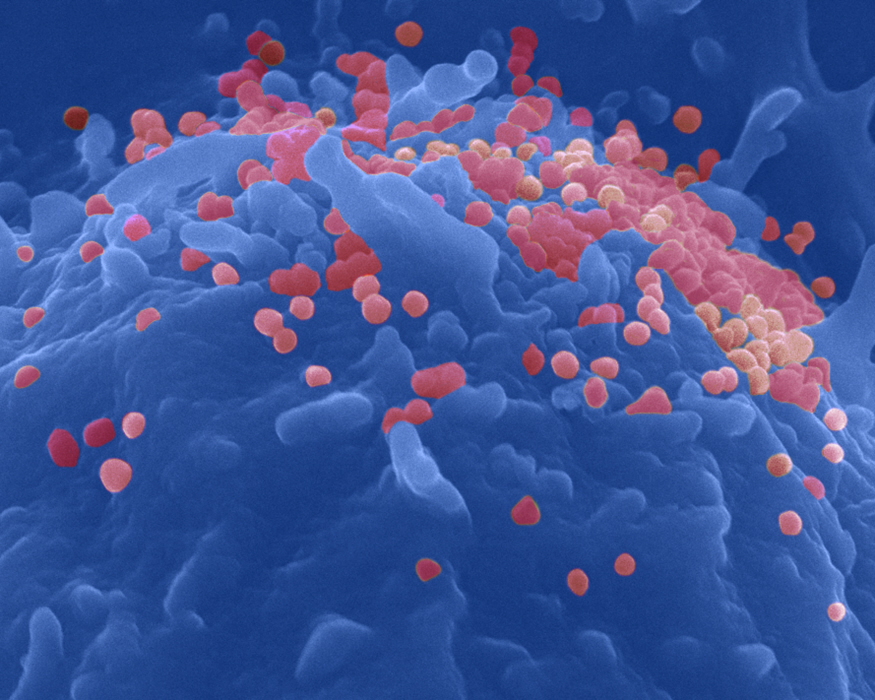
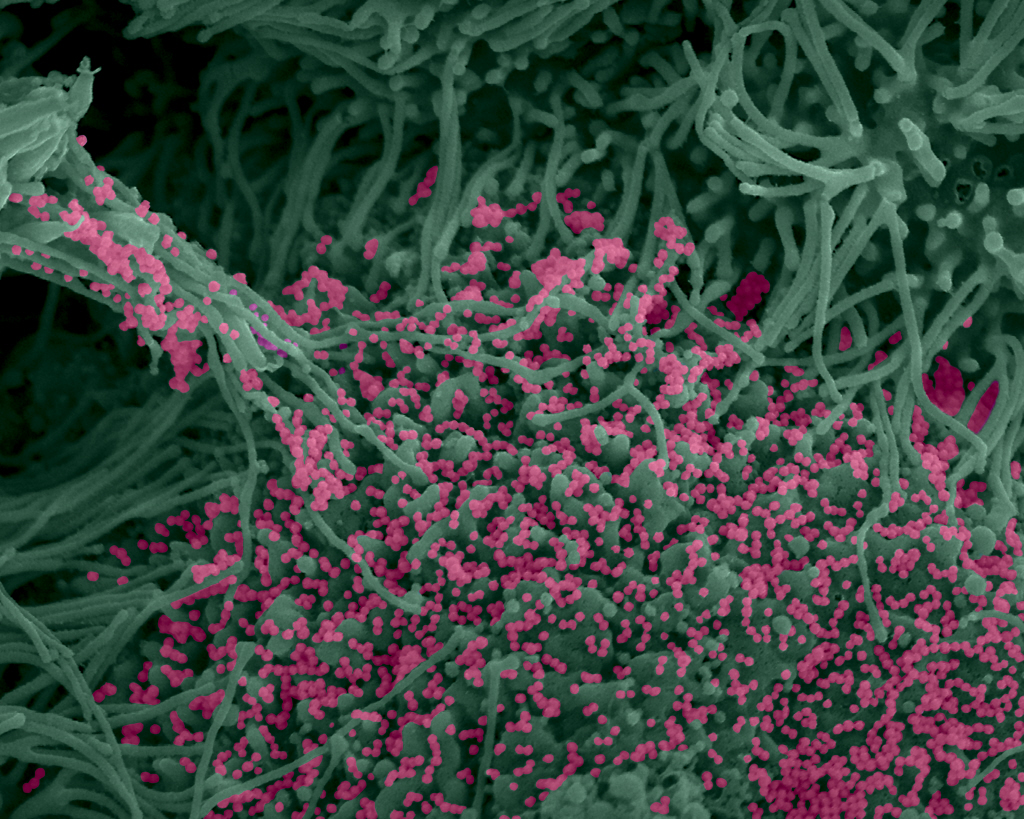
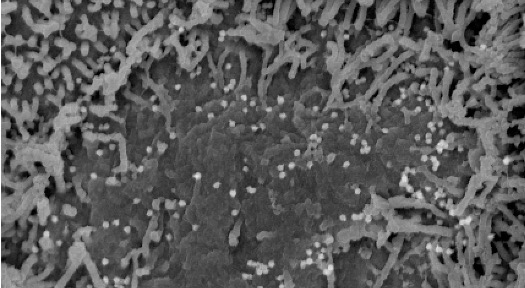
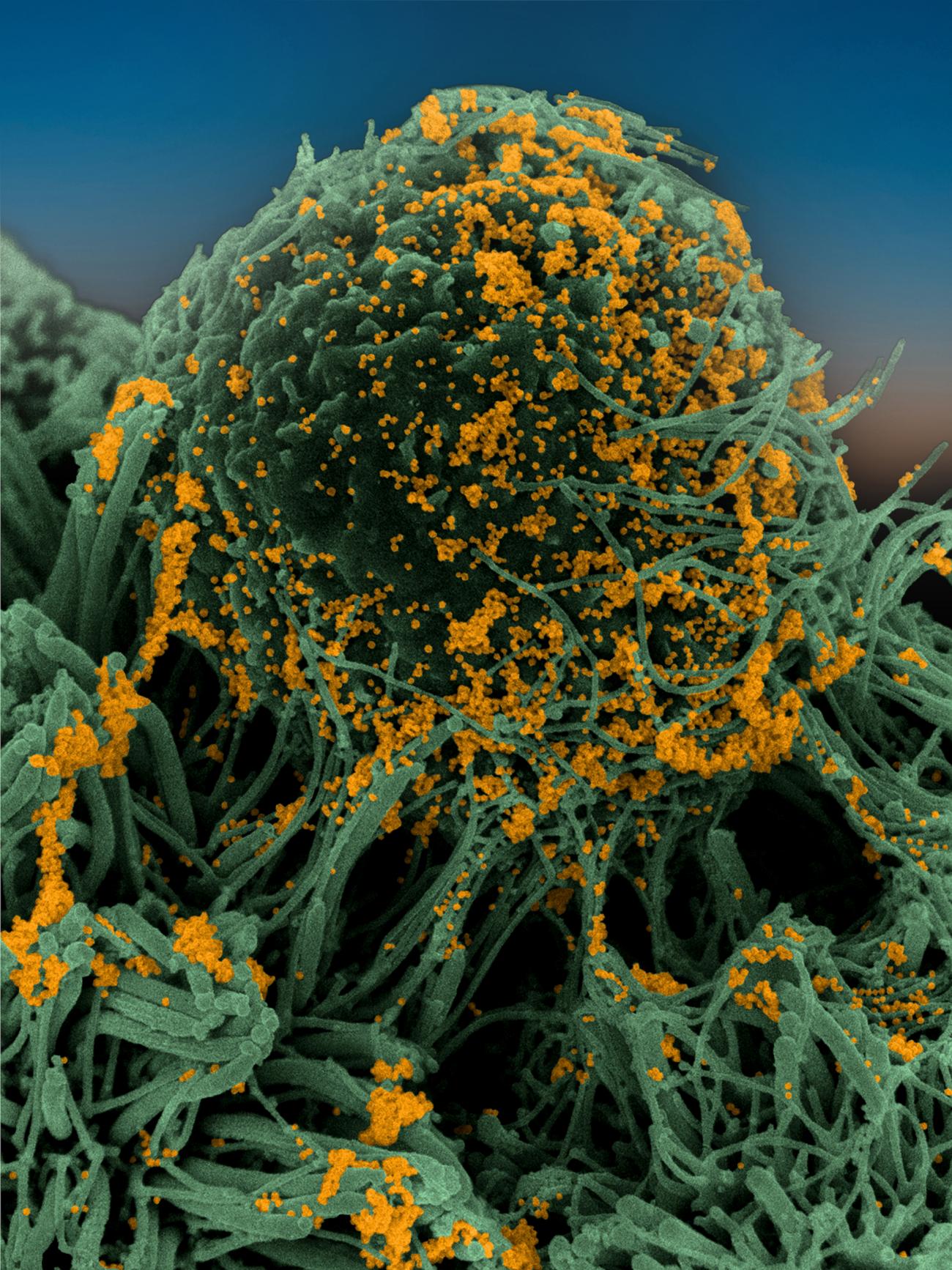
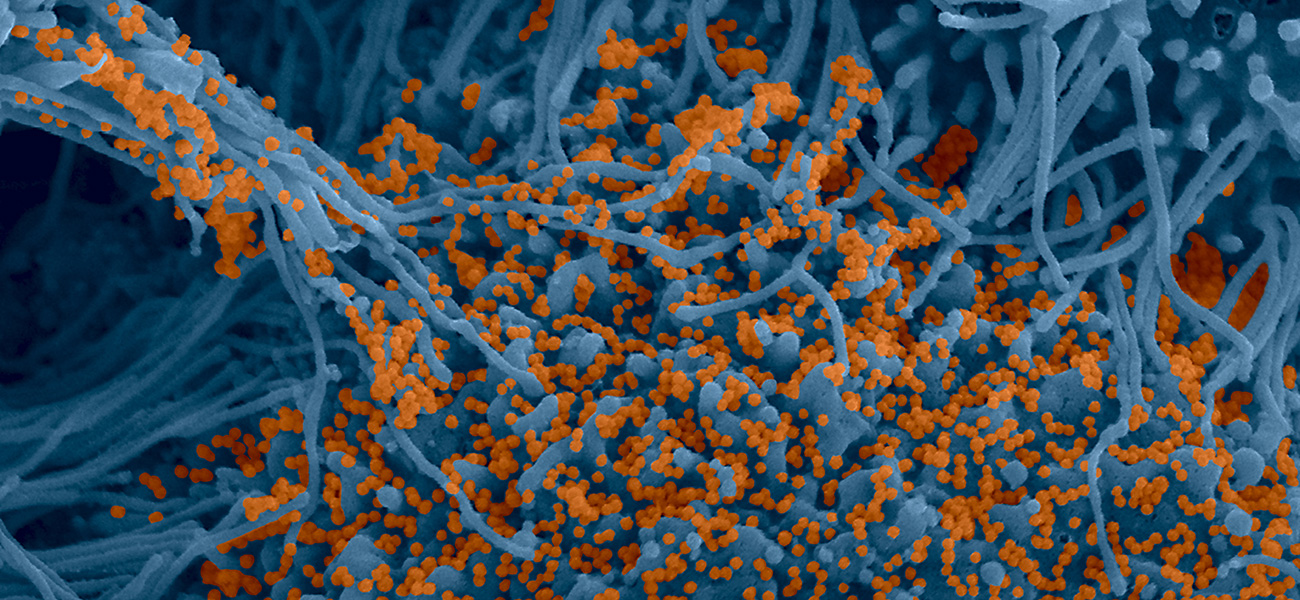
SARS-CoV-2 damages ciliated cells in the respiratory tract

A publication describes how SARS-CoV-2 replicates in the respiratory tract. It destroys the cilia of the ciliated cells in the epithelium which inhibits mucociliary clearance, a mechanism that expels inhaled particles and protects the respiratory tract from pathogens.

Nature Communications, July 16, 2021.


August

An international collaboration on new antimicrobials

The Institut Pasteur joined IRAAD (the International Research Alliance for Antibiotic Discovery and Development) whose remit is to identify new antimicrobial molecules. Antimicrobial resistance is a major public health issue.

Nature Reviews Chemistry, August 19, 2021.


September

Modeling of COVID-19 epidemiology in a vaccinated population in view of a fall resurgence

Further modeling studies (in French) assess the high transmission and hospitalization rates among unvaccinated individuals. The studies also show that vaccination is less effective against Delta, but continues to offer protection against severe forms, and forecast a third of total infections in children and teens.

HAL Pasteur, September 6, 2021 .


The effectiveness of immune memory in recognizing SARS-CoV-2 variants after vaccination

Research shows that individuals vaccinated with a messenger RNA vaccine develop defenses against the Beta and Delta variants. Their immune system produces memory cells capable of recognizing and neutralizing variants of concern.

Immunity, September 21, 2021.


SARS-CoV-2: different immune responses observed in nasal mucosa and blood

In COVID-19 patients, the immune responses in the mucosa and the blood are regulated differently and independently. A disruption of the nasal microbiota is also observed, encouraging the development of opportunistic pathogenic bacteria.

Nature Immunology, September 1st, 2021.


October

Intranasal COVID-19 vaccine candidate

In 2021, two publications demonstrated the efficacy of an intranasal lentiviral COVID-19 vaccine. This dramatically reduces viral load and protects the brain and lungs in animals.

Cell Host & Microbe, December 14, 2020.
EMBO Molecular Medicine, October 15, 2021.


November

COVID-19: Kamala Harris salutes the Institut Pasteur's response

On November 9, 2021, the US Vice President, Kamala Harris, met several of the Institut Pasteur's scientists and saluted the Institut Pasteur community's response in tackling the COVID-19 epidemic.

News of November 10, 2021.


COVID-19: results on places of infection and effectiveness of RNA vaccines

One part of the COMCOR study identified sociodemographic factors, places of SARS-CoV-2 infection and behavior linked to risk of infection, and assessed the effectiveness of RNA vaccines against the Delta variant.

Lancet Regional Health Europe, November 26, 2021.


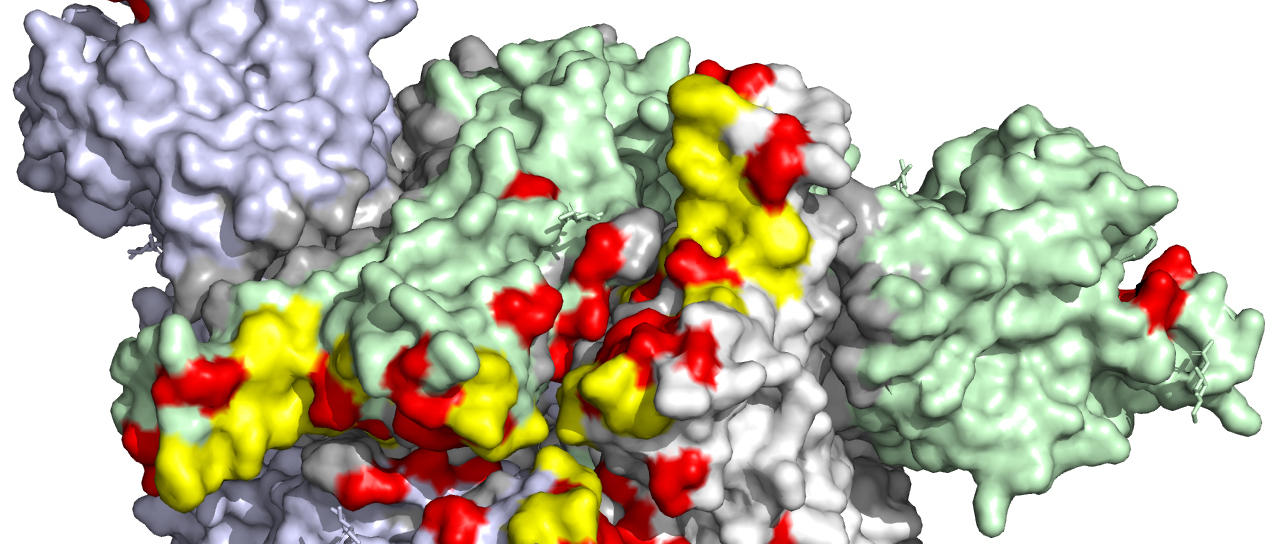
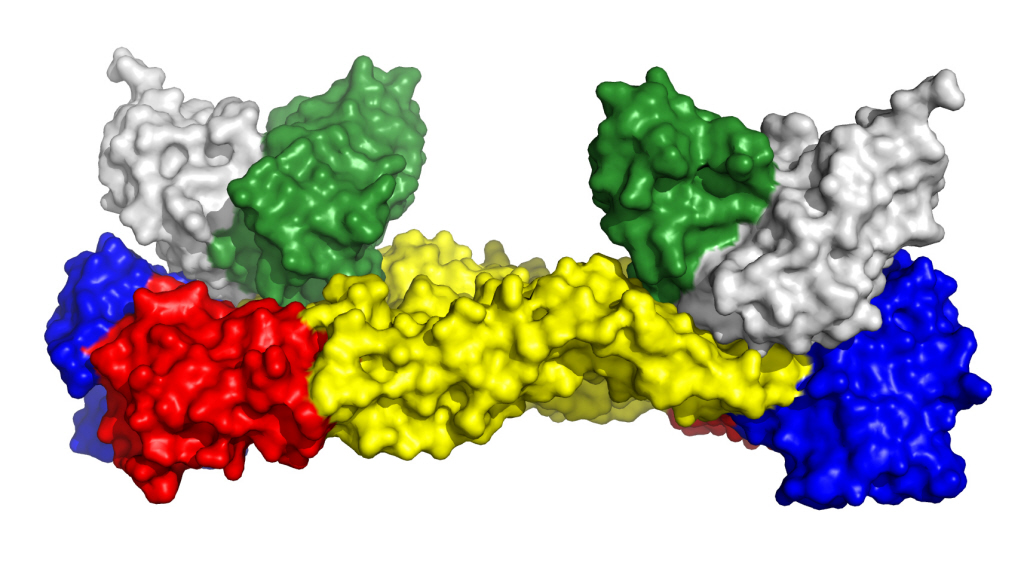
Description of the structure of the antigen-binding fragments of Crimean-Congo hemorrhagic fever virus antibodies

A publication has described the Crimean-Congo hemorrhagic fever virus antibody, and in particular the antigen-binding fragment targeting the viral protein which enables it to fuse with the cell membranes and hence infect the cells.

Science, November 18, 2021.


December

COVID-19: Omicron variant resistant to monoclonal antibodies but neutralized by a booster dose

A study revealed that Omicron is much less susceptible than Delta to most neutralizing antibodies used for treating COVID-19, though a third vaccine dose significantly boosts the number of natural antibodies.

Nature, December 23, 2021 (published in pre-print since December 15).


A monoclonal antibody capable of neutralizing both Zika and dengue viruses

A study analyzed the spatial configuration of the C10 antibody to help elucidate its surprising effect on viral particles and emphasizes the importance of its geometric shape.

Cell, December 9, 2021.