North African and Middle Eastern Region

The Institut Pasteur's presence here is built on long-standing partnerships with several North African countries, along with a growing number of ties with research and innovation stakeholders in the Middle East. These countries are investing heavily in state-of-the-art technologies, particularly in the fields of genomics, large-scale sequencing, precision medicine, and artificial intelligence for health applications. Initiatives aimed at characterizing the genomes of populations in the region offer new opportunities to improve the representation of North African and Middle Eastern populations in global biomedical research, given their current significant underrepresentation in clinical trials and drug development.
Regional Cooperations
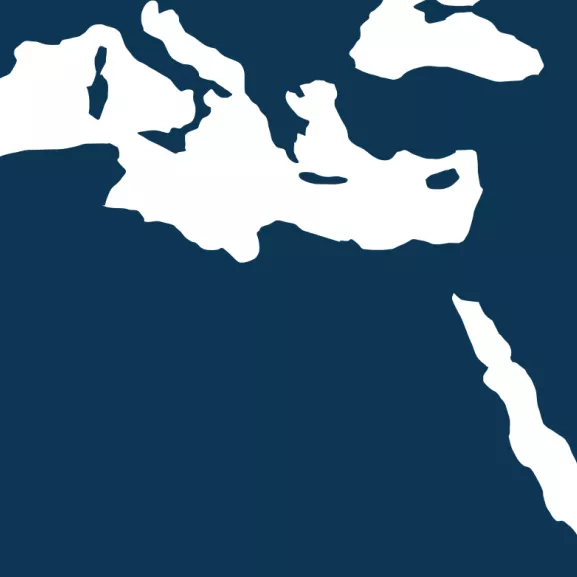
The Institut Pasteur has developed links in North Africa and the Middle East addressing several scientific and public health priorities.
The first one is human genetics and precision medicine. The region's demographic and genetic specificities, particularly in terms of high levels of consanguinity among certain populations, contribute to the increased prevalence of rare genetic disorders, neurodevelopmental disorders, and early-onset hearing loss. Joint work has been carried out to better understand these conditions, improve their diagnosis, and help develop appropriate prevention and management strategies.
The region is also ideally positioned as a monitoring station for investigating infectious diseases. With major routes of population movement running through it, it acts as a hub for the transit or emergence of many microorganisms of interest. Partnerships are mainly focused on the surveillance, understanding and control of diseases such as leishmaniasis and other zoonotic infections that have a major impact on human and animal health. Efforts to tackle rabies also remain a public health priority in several North African countries, requiring a joint response in terms of surveillance, prevention and control.
Finally, the Institut Pasteur works with its regional partners on biomedical and vaccine innovation. These collaborations draw on high-tech core facilities and complementary expertise to contribute to the development of new diagnostic, therapeutic and vaccine approaches meeting the specific needs of the region's populations.
Given its partners' complementary expertise and the growing scientific dynamism of North Africa and the Middle East, this region offers the Institut Pasteur a unique environment in which to understand biological and environmental factors affecting health, anticipate emerging risks, and co-develop innovative solutions for the benefit of global health.
Our Scientific Programs in the Region
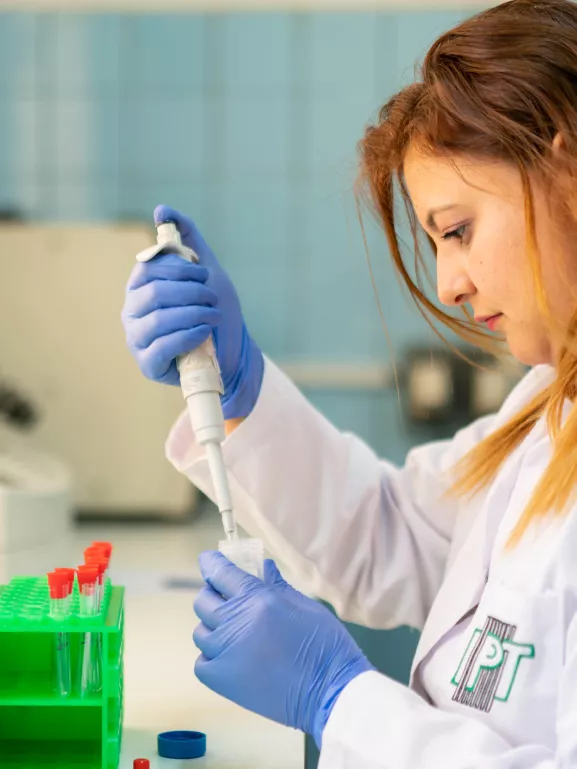
The OneHealthSecure project aims to support the 23 beneficiary countries in the Mediterranean region to adapt to climate change by tackling vector-borne diseases using a One Health approach.
Anticipating outbreaks through the wastewater surveillance
Enhancing the healthcare pathway and strengthening capacities for the diagnosis and management of children with genetic diseases resulting from consanguinity, while studying the motivations and beliefs of populations surrounding consanguineous marriages.
Primary Immune Deficiency diseases (PIDs) constitute a heterogeneous group of over 300 diseases in which a genetic defect of the immune system leads to an increased susceptibility to infections, sometimes jeopardizing the vital prognosis. The ATun-DIP project aims to improve the diagnosis and treatment of patients.
Driven by advances in genomics, molecular biology, and technology, precision medicine opens new therapeutic possibilities, particularly in cancer treatment. The PerMedina project aims to structure precision medicine and enhance patient care by expanding access to genetic testing and targeted therapies across North Africa.

