Institut Pasteur scientists during the Great War
This article is over 7 years old
- #Institutional
- #History
- #130 years Institut Pasteur
- #Institutionnel

On August 3, 1914, war was declared between France and Germany. It was the most horrific and deadly war in history, during which alas, in Pasteur's own words, the law of blood and death prevailed. However, as Pasteur had foreseen, his work and that of other Institut Pasteur scientists saved the lives of thousands of soldiers.
An excerpt from a talk at the Palais de la Découverte on Wednesday March 21, 2018, with Annick Perrot, honorary curator of the Pasteur Museum, and Maxime Schwartz, former President of the Institut Pasteur.
When the institute that bears his name was inaugurated, Pasteur declared: "[…] I would say that two contrary laws seem to be wrestling with each other today: one, a law of blood and death, which by dreaming up new means of combat every day, forces nations to be constantly ready for the battlefield, the other a law of peace, work, and health, which only dreams of freeing humans from the scourges that beset them. […] The law we are instruments of seeks […], through carnage, to heal the bloody wounds of this law of war. […] Which of these two laws will ultimately prevail? God alone knows."
A quarter of a century later, on August 3, 1914, war was declared between France and Germany. It was the most horrific and deadly war in history, during which alas, in Pasteur's own words, the law of blood and death prevailed. However, as Pasteur had foreseen, his work and that of other Institut Pasteur scientists saved the lives of thousands of soldiers.
Throughout the war, the Institut Pasteur was directed by Émile Roux. He had been Pasteur's right-hand man for all the research on infectious diseases and vaccination. He was director of the Institut Pasteur from the death of Duclaux, in 1904, until his own death in 1933, and was the driving force behind Institut Pasteur scientists' commitment in wartime.
As Pasteur had foreseen, his work and that of his disciples significantly contributed to saving lives during the Great War. Thanks to the typhoid fever (page in French) vaccine, it is likely that Institut Pasteur scientists prevented at least one million soldiers from contracting this, often deadly, disease. Thanks to appropriate treatment of injuries and use of serotherapy, they saved millions of soldiers from dying of tetanus (page in French), septicemia or gangrene (page in French). By insisting upon effective malaria (page in French) prophylaxis, they kept the Eastern army in good health, enabling it to play a decisive role in the victorious offensive it led in October 1918.
They also tried to control the rats (page in French) infesting the trenches and played numerous other roles, which we are unable to list in full today, for example, setting up a network of microbiology laboratories close to the front line (see photo below). During this terrible conflict, an Institut Pasteur scientist discovered bacteriophages (page in French), a breakthrough that would revolutionize biology. All this took place under the leadership of Émile Roux, who had been Pasteur's right-hand man and who, more than any other person, invested in the Institut Pasteur heart and soul.
The role played by the Institut Pasteur during the Great War has largely been forgotten today and deserves to be remembered.
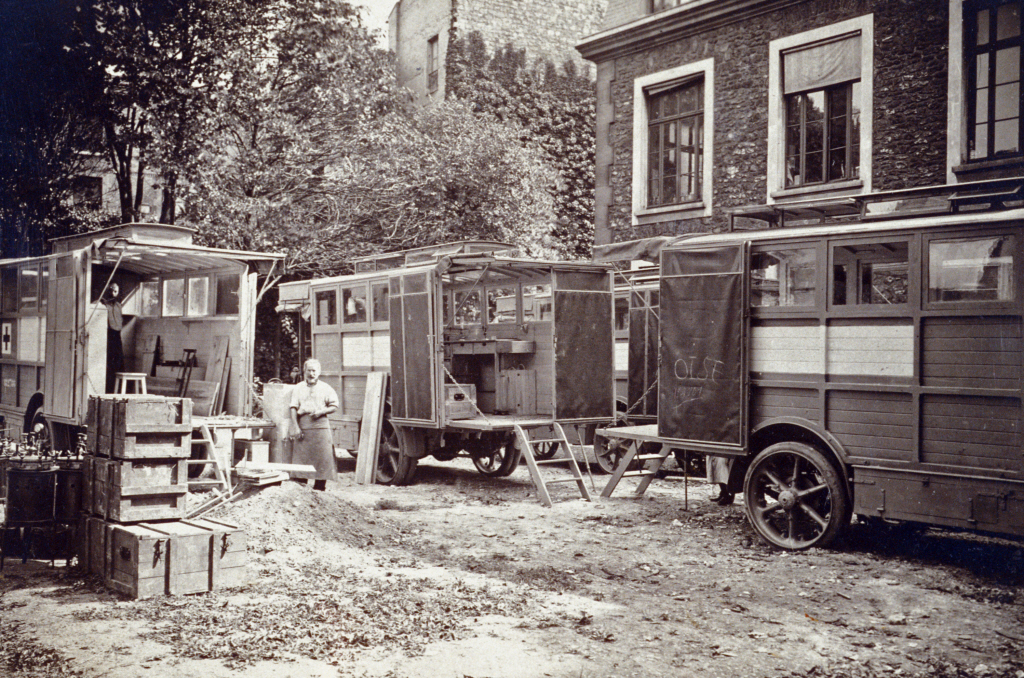
Preparation of mobile bacteriological laboratories, called "Legroux's Ambulances" by René Legroux's laboratory at the Institut Pasteur, and used in the French armies during the First World War, around 1916/1917. Credit: Institut Pasteur/Musée Pasteur
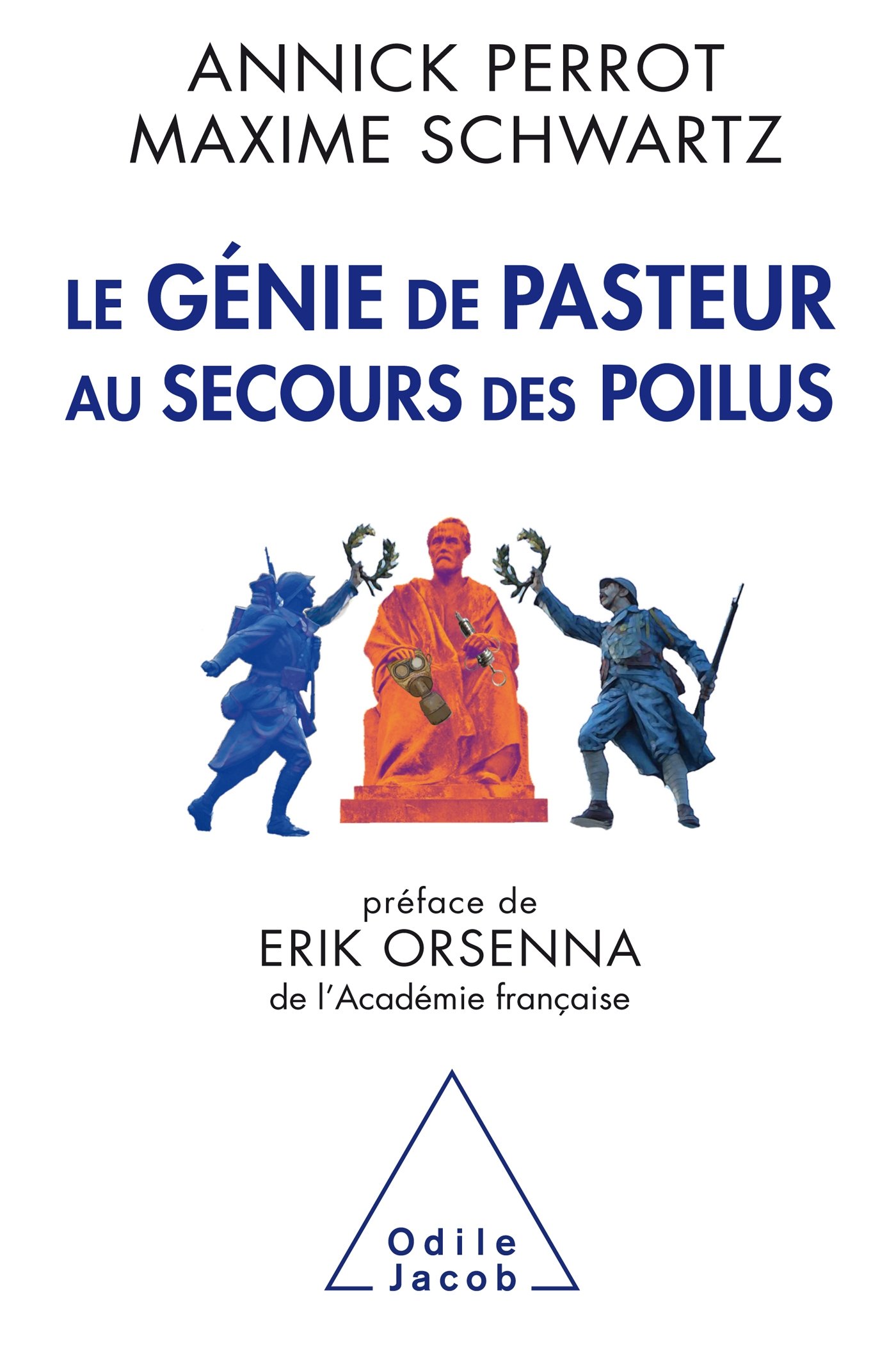
Discover our series of articles on Institut Pasteur scientists during the Great War
An excerpt from a talk at the Palais de la Découverte on Wednesday March 21, 2018, with Annick Perrot, honorary curator of the Pasteur Museum, and Maxime Schwartz, former President of the Institut Pasteur.
Institut Pasteur scientists during the Great War: introduction
Institut Pasteur scientists during the Great War: typhoid fever (in French)
Institut Pasteur scientists during the Great War: tetanus (in French)
Institut Pasteur scientists during the Great War: septicemia or gangrene (in French)
Institut Pasteur scientists during the Great War: control of rats (in French)
Institut Pasteur scientists during the Great War: malaria and Eastern army (in French)
Institut Pasteur scientists during the Great War: bacteriophages (in French)