Virology
- #Virome
- #Virus

Research is being conducted in the department to understand the molecular and cellular mechanisms that are involved in various viral cycle stages, and the processes driving related diseases. Considerable efforts are ongoing to identify and analyze the biological and epidemiological determinants of infectious disease emergence. Research focuses on various aspects such as transmission, animal reservoirs and vectors, epidemiology, viral evolution, and host immune response. Emerging and respiratory viruses, arboviruses and retroviruses are studied using cutting-edge techniques. The department houses several National Reference Centers and WHO Collaborating Centers which provide essential epidemiological surveillance of viral infectious diseases.
Our key research in 2025
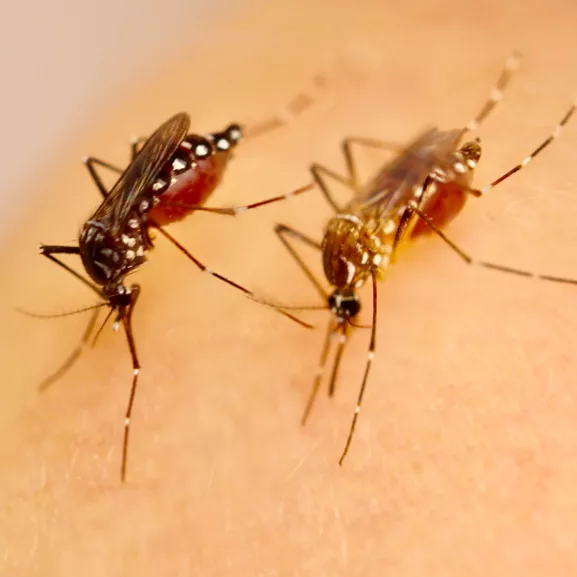
Mapping the midgut of Aedes mosquitoes
Aedes aegypti mosquitoes – vectors of dengue, Zika and yellow fever – are a threat to global health. After a blood meal, their digestive tract and fat-body tissue orchestrate digestion, metabolism, reproduction and immune defense responses. In this study, single-cell RNA sequencing was used to provide detailed maps of these tissues, paving the way for novel vector control methods.
Cell Genomics, 13 August 2025
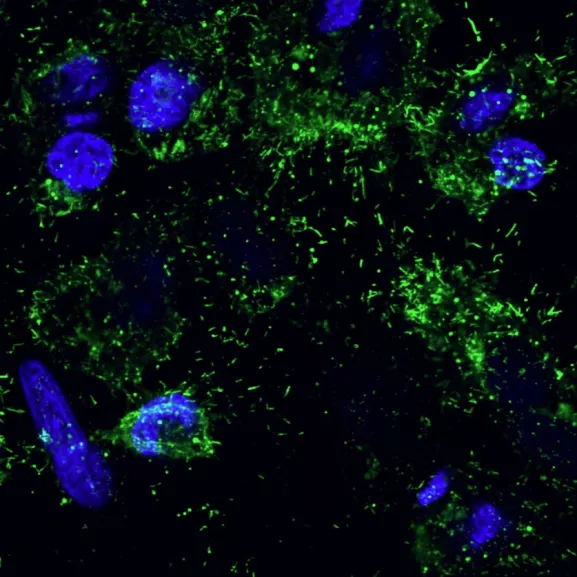
Monitoring resistance to the respiratory virus, RSV
Nirsevimab protects infants against respiratory syncytial virus (RSV), yet some cases of infection are reported despite treatment. In France, researchers used viral genome sequencing and drug sensitivity testing to investigate these cases. Although most of the strains remained susceptible to treatment, a few mutations conferring resistance were detected, highlighting the need for close surveillance throughout the seasons.
The Lancet Infectious Diseases, March 2025
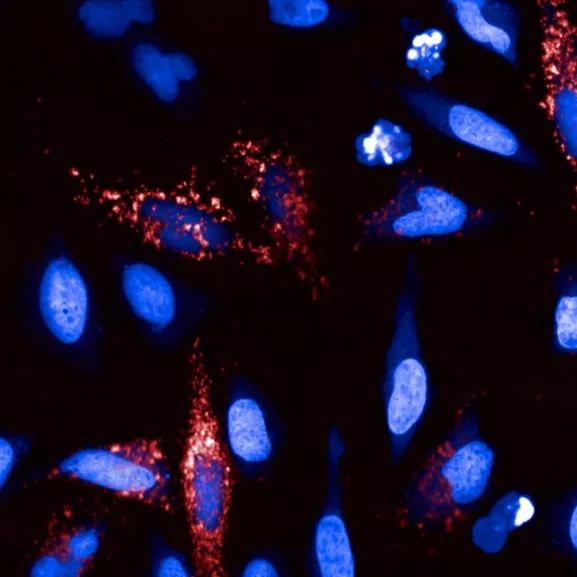
Understanding mpox treatment resistance
The mpox virus (MPXV), related to the smallpox virus, is frequently treated with tecovirimat. Using crystallography and molecular dynamics simulations, researchers elucidated the structure of its viral target, phospholipase F13, revealing how some of its mutations confer resistance to the virus. These results pave the way for the design of more effective antiviral drugs.
Nature Microbiology, 12 February 2025
Our previous key research
In 2024
Early HIV treatment encourages lasting remission
Starting antiretroviral treatment soon after HIV infection promotes long-term remission from infection once treatment has been discontinued. A study conducted on primate models revealed that remission is related to the early development of CD8+ T immune cells, which are particularly effective in eliminating the virus. The findings pave the way for novel immunotherapy strategies to treat HIV infection.
Nature Communications, 11 January 2024
Targeting nuclear structures to neutralize HIV
The HIV virus forms structures in the nucleus of infected cells known as membraneless condensates (HIV-1-MLOs), which protect it from the immune system and enable it to remain dormant. By blocking these structures, scientists were able to make the virus harmless. This discovery improves our understanding of the mechanisms used by HIV to evade the body's defenses and could open up new avenues for treatment.
EMBO Journal, 2 December 2024
In 2023
Development of a pentavalent vaccine against New World arenaviruses
New World arenaviruses cause fatal hemorrhagic fever in South America. MOPEVAC NEW is a pentavalent live attenuated vaccine for the Junin, Machupo, Chapare, Guanarito and Sabiá viruses. It induces sterilizing immunity against the Machupo and Guanarito viruses in cynomolgus monkeys due to high titers of antibodies, including neutralizing antibodies, demonstrating the efficacy of this vaccine for several of these viruses.
Nature Microbiology, 5 January 2023
The tiger mosquito can transmit the chikungunya virus in temperate conditions
Arboviruses such as chikungunya (CHIKV) first emerged in Europe in 2007. By combining three approaches (transcriptomics, metagenomics and genomics), scientists have identified temperature as a modifying factor in mosquitoes’ immunity gene expression and microbiota, and also in the genetic diversity of CHIKV, although it does not affect transmission efficiency.
Journal of Travel Medicine, 25 April 2023
New discovery concerning receptors used by coronaviruses to enter human cells
The gateway used by a seasonal coronavirus, HKU1, to enter human cells has been identified. HKU1 binds to a different receptor than SARS-CoV-2, which may partly explain the difference in severity between these two coronaviruses. Receptors provide a useful means of elucidating coronavirus transmissibility and pathology as part of surveillance work on viral evolution.
Nature, 25 October 2023