An Epidemiologist Faces Ebola in The Democratic Republic of the Congo
This article is over 7 years old
- #Health
- #Epidemiology
- #International

Ebola has battered the Democratic Republic of the Congo for many months, from the outbreak that ended in July 2018 to the epidemic currently raging. These are reminders that there is progress to be made in terms of controlling and understanding this deadly infectious disease. In 2018, during the epidemic in the north west of the country, Dr. Amber Kunkel, a scientist from the Institut Pasteur in Paris, went in situ to lend her epidemiological expertise to heightened surveillance efforts led by the WHO.
Dr. Kunkel, a post-doctoral fellow* and a key member of the Pasteur Outbreak Investigation Task Force (OITF) left for the Democratic Republic of the Congo on July 5, 2018 in response to the WHO’s call for international help. “We offered epidemiologists, laboratory scientists, and anthropologists to deploy through WHO’s Global Outbreak Alert and Response Network (GOARN) within days after they released a Request for Assistance,” explains Dr. Eileen Farnon, head of the OITF, a program that has been coordinating outbreak responses by scientists across the Institut Pasteur International Network since 2015. WHO gave the green light to Dr. Kunkel’s mission, “so she could provide her expertise to the final stage of the response.”
Dr. Kunkel flew to Mbandaka, the capital of the Équateur Province, with a backpack, her experience in epidemiological modeling, a desire to help, and the support of her OITF colleagues back at the Institut Pasteur in Paris.
* Dr. Kunkel's post-doctoral fellowship is funded by the Pasteur Foundation (USA).
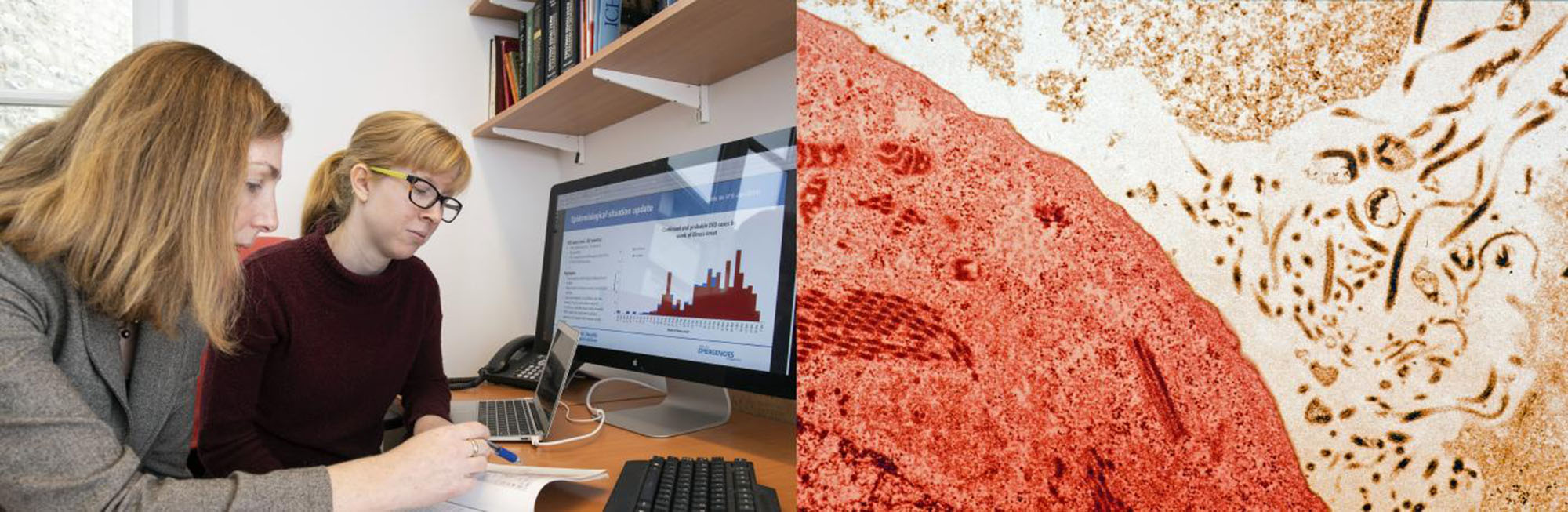
Left, Eileen Farnon and Amber Kunkel in the OITF office at the Institut Pasteur. Right, a culture of cells infected by the Ebola virus seen through a microscope. © Institut Pasteur/François Gardy, Pierre Gounon.
An expert from the Institut Pasteur on the ground
When she arrived, the outbreak had been contained and efforts were geared towards solidifying the edge being gained over the virus; the stage called “enhanced surveillance” was underway. “This phase involves intensive case-finding for 'alert' cases that might have been missed in tracing the contacts of cases during the two incubation periods (42 days) after the last known confirmed case-patient was admitted to an Ebola Treatment Center. After that time, the outbreak can usually be declared over because human-to-human transmission has stopped, with the exception of spontaneous cases due to sexual transmission, which can occur long after the outbreak is over,” says Dr. Farnon. "This type of active surveillance, including interviewing suspected cases and tracing their contacts during the outbreak, is one of the areas where an epidemiologist has an important role to play as a 'disease detective,'" continues Dr. Farnon. (See "Field epidemiologists as “disease detectives”" below right.) This is especially true of someone with Dr. Kunkel’s background in data collection and mathematical modeling.
“The DRC Ministry of Health had an impressive system of active case finding in place,” says Dr. Kunkel, referring to the finding and treating of cases that might have escaped initial detection. The ministry was sending people with medical expertise into hospitals and health centers to review the records of patients who had passed through in prior weeks, looking for patients whose symptoms might have been those of Ebola. Because many Ebola symptoms are initially non-specific—they are shared with other tropical diseases, many of which are prevalent in Mbandaka—displaying these non-specific symptoms before the outbreak was announced would not have raised a red flag.
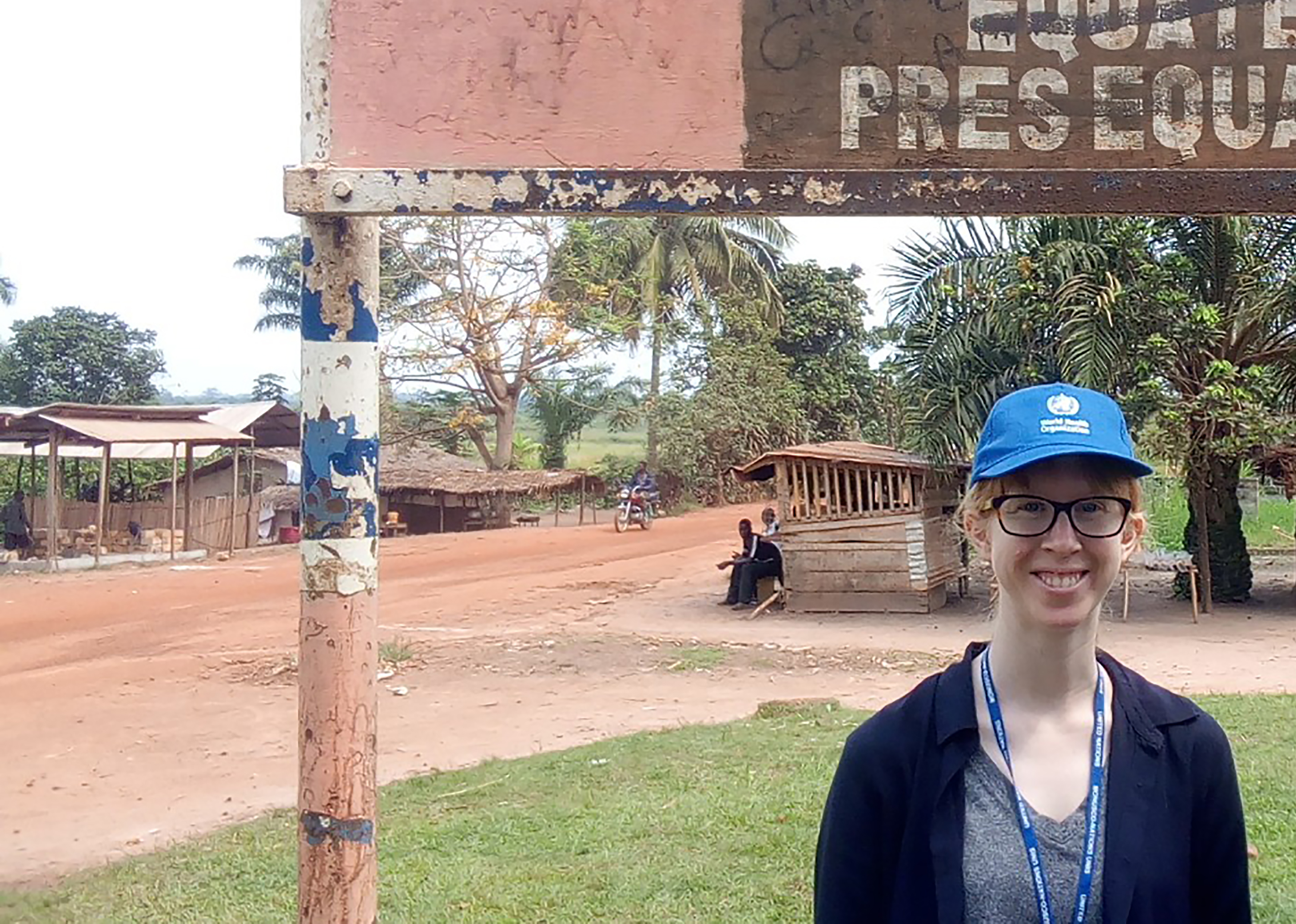
Dr. Kunkel, during a brief stop at the equator, on the way to a health center to monitor active case finding activities there. The sign above her head indicates that this is where the equator crosses. © Amber Kunkel
An analysis of epidemiological data
Dr. Kunkel’s mission was to verify, summarize, and interpret the data gathered; the fact that Ebola symptoms can be non-specific also impacts this data collected for epidemiological studies. Simply stated, it can be difficult to create precise records of who has what. The more accurate your records, or data, the more clearly the patterns can present themselves. Thus irrelevant information mixed in with relevant information, or “noise in the data”, adds a challenge to the deciphering of big-picture trends, one of the ambitions of an epidemiologist such as Dr. Kunkel.
Despite the unavoidable imprecision in the data, Dr. Kunkel was impressed with the high-level work being performed—and performed at the fast rate necessary to out-pace an epidemic. Although the data was much noisier than one would find in the confines of a laboratory, the speed at which decisions need to be made and action needs to be taken is much faster than in a lab. Also, “the number of records available was really impressive,” explains Kunkel. “They had a very efficient system.”
A willingness to help in the field
Regarding benefits for research, Kunkel emphasizes that the priority in an epidemic situation is to address the crisis at hand. “The advancement of science can certainly enable outbreaks to be handled more deftly in the future. But I wanted first and foremost to help out in whatever way the WHO needed.” said Kunkel.
When asked about her decision to accept this mission, and the risks to her personal safety, Dr. Kunkel downplays any danger and says that she considers this a relatively “favorable situation.” The outbreak had already been contained when she arrived last July. Also, in contrast to the current situation where military actions are hampering aid work, “the peaceful conditions in the province made intervention efforts more likely to succeed”.
In a sense, her decision had been made long before; when she concluded her PhD in epidemiology at Harvard, she determined she would use her post-doctorate years to expand on her modeling experience and learn first-hand about outbreak response. Thus, the opportunity to do public health field work was a key reason she joined the Institut Pasteur as part of its OITF. Contributing in epidemic situations will be valuable experience to complement her mathematical modeling and data generation skills. Her eventual goal is to combine the epidemiological modeling and the field work.
Field epidemiologists as “disease detectives”
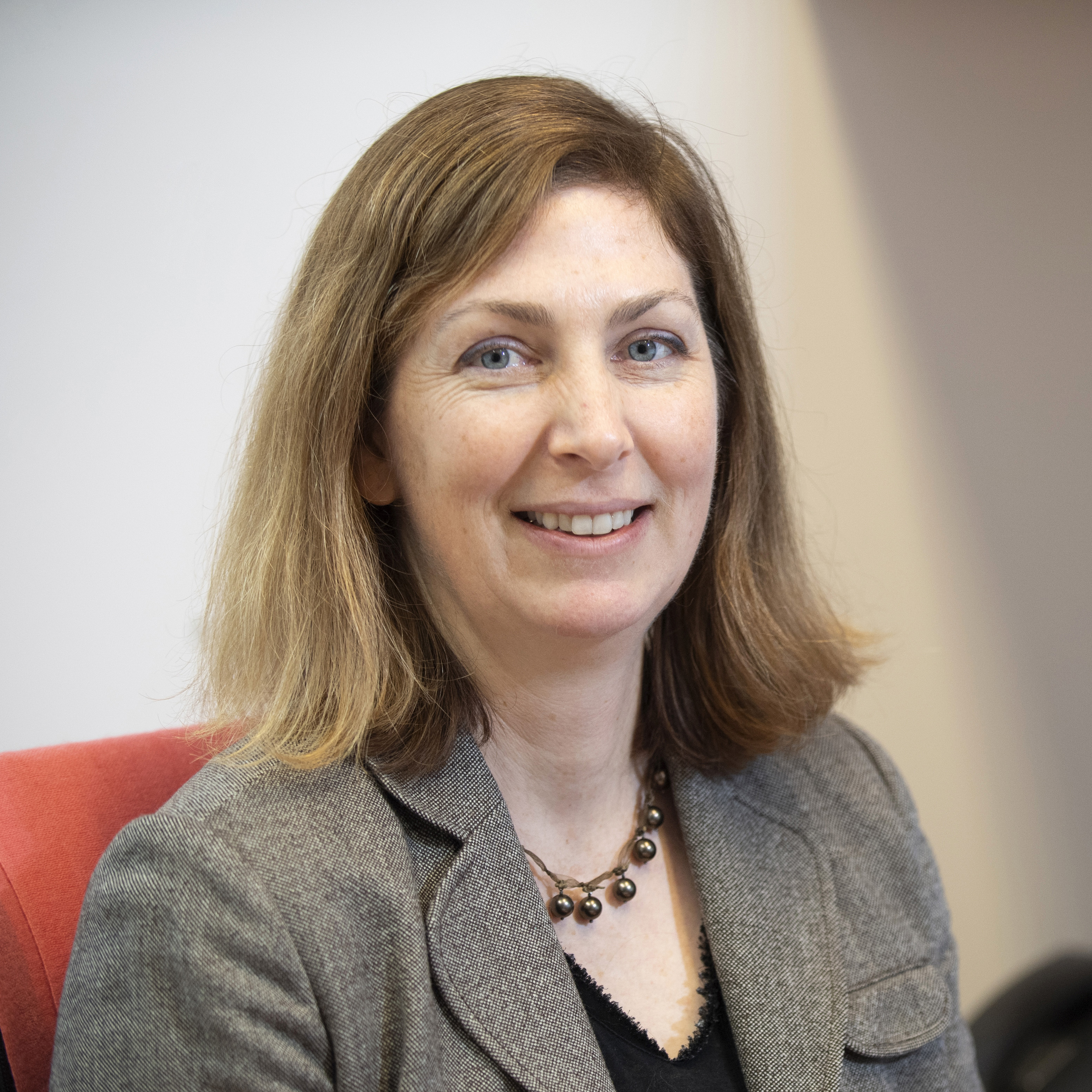
Dr. Farnon, head of the OTIF, explains that an epidemiologist has an important role to play as a “disease detective” during outbreaks, which means “figuring out which cases are linked to others and how to stop transmission in the community”. Once the data are collected, epidemiologists analyze and depict the information about cases, their distribution and characteristics, to communicate regular updates to the public health community and the general public to inform decision-making and help with control efforts. They can also embark on multidisciplinary, collaborative investigations, done either by collecting new data or by analyzing existing data. Not only can these investigations lead to greater knowledge about disease outbreaks and how to best prevent and control them, but analyzing data such as the surveillance data, and the best ways to collect and use them during outbreaks, can be used to improve future outbreak responses. The Pasteur OITF is able now to train additional epidemiologists, laboratorians, and other specialists throughout the Institut Pasteur International Network for international outbreak responses thanks to French National Research Agency funding through the INCEPTION Program awarded to the OITF in 2018.
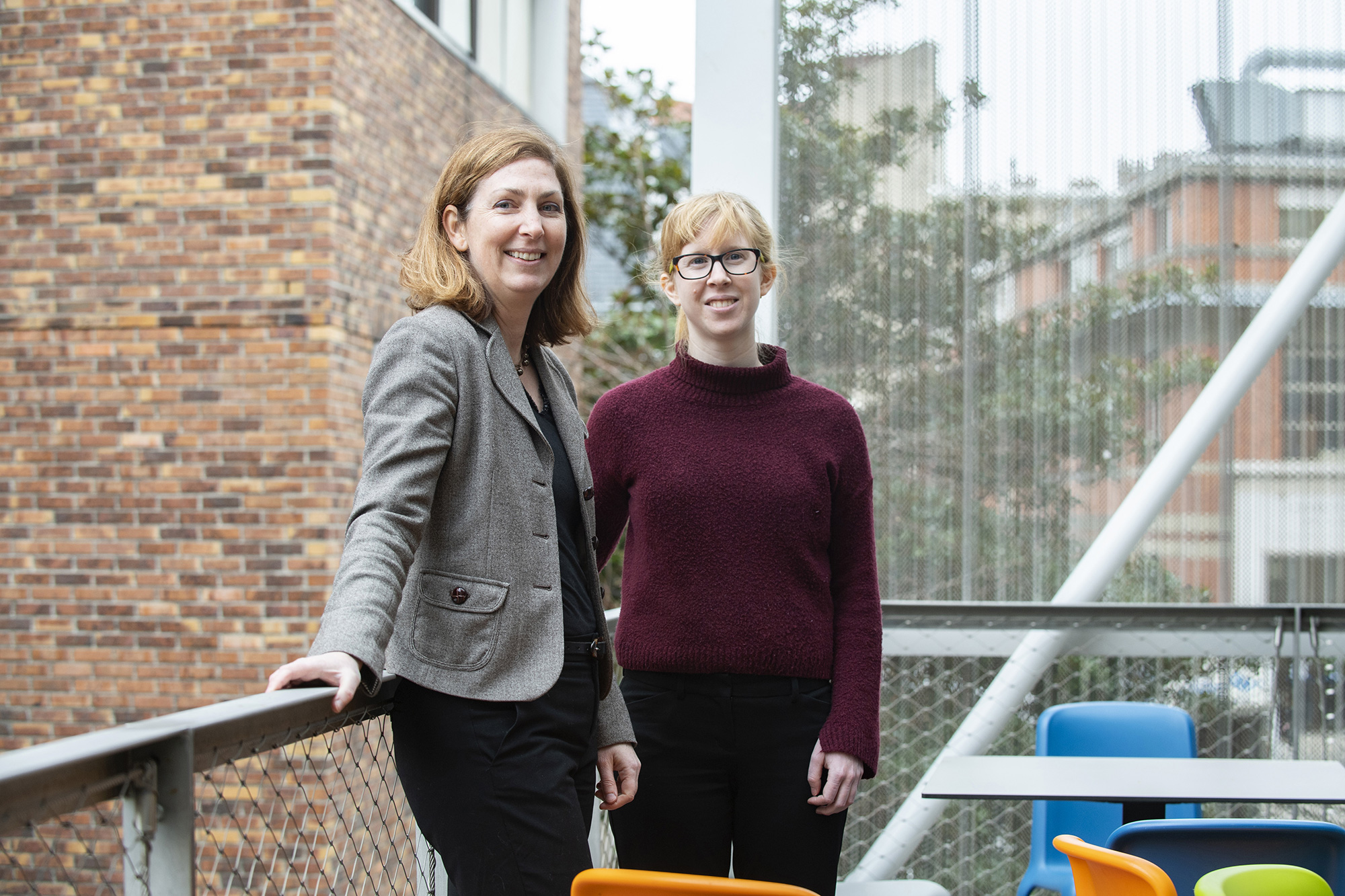
Between field missions, Dr. Amber Kunkel (right) with Dr. Eileen Farnon (left), head of the Outbreak Investigation Task Force on the Institut Pasteur campus in Paris, in January 2019. © Institut Pasteur/François Gardy.
A scientific paper, and a possible second mission in the Democratic Republic of the Congo, in sight
Overall the trip was a very positive experience: in addition to having contributed on the ground, Dr. Kunkel came away with plans to collaborate with DRC and WHO colleagues on a paper that will be published in the future". She cannot share details of the paper, she but is happy to share an informal observation or two: “One thing I saw was that visits to local health clinics by state health workers had the benefit of boosting Ebola-related knowledge among the clinic’s staff members; in-person contact facilitated education”. It is not difficult to imagine that the in-person presence of Dr. Kunkel also helped the learning curve.
“In response to the current Ebola outbreak, the OITF has nominated 8 staff members through GOARN, including Dr. Kunkel, to support preparedness and response activities in non-affected areas. (This has been deemed the most effective approach given the insecurity and travel restrictions in North Kivu, the location of the current outbreak.)” explains Dr. Farnon. Two laboratory scientists have already deployed to Rwanda and Burundi, and other OITF volunteers are prepared for possible deployment through GOARN to other locations in support of WHO’s efforts to control the outbreak.
Dr. Kunkel currently spends a good deal of time in Cambodia assisting with projects aimed at controlling malaria in forests.

Dr. Kunkel in a forest in Mondulkiri, Cambodia in spring 2018 where she and colleagues were doing some mapping activities with the ultimate goal of detecting malaria hotspots. Behind her, there are motorbikes belonging to some wood cutters, who are a group at high risk for malaria in Cambodia.