Our key scientific priorities
Given the major health threats of our time, including pandemics, antimicrobial resistance, environmental disruption, chronic diseases and aging populations, a silo mentality is no longer compatible with scientific progress.
Pasteur 2030, the Institut Pasteur's strategic plan for 2030, focuses all the institute's efforts on four scientific priorities aimed at understanding, anticipating and more effectively tackling diseases that impose the heaviest burden on human health.

Pasteur 2030: four priorities for the future of healthcare
- #1 - Infectious disease threats
- #2 - Environmental transition and its impact on health
- #3 - The origins of diseases
- #4 - Health at the extremes of life
To meet these public health challenges, the Institut Pasteur has structured some of its research programs around four key scientific priorities central to its Pasteur 2030 Strategic Plan:
#1 - Infectious disease threats: fighting disease and antimicrobial resistance
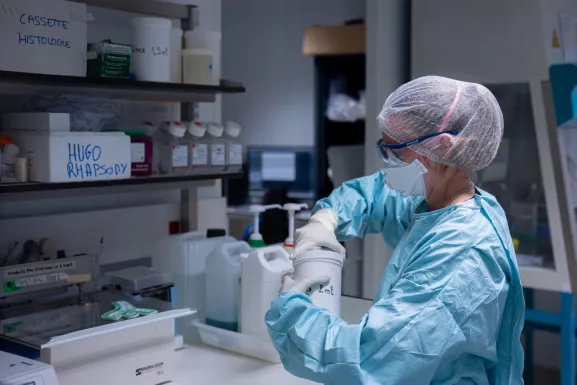
A persistent global burden
Infectious diseases, caused by viruses, bacteria, parasites and fungi, still account for almost a third of health problems worldwide.
In 2024, they continued to exact a heavy toll, with over a million deaths per year linked to tuberculosis, 630,000 to HIV/AIDS and over 600,000 to malaria. Even when these infections do not prove fatal, they leave lasting sequelae such as chronic fatigue, respiratory difficulties and neurological disorders.
In addition to this burden, the threat of antimicrobial resistance is on the rise. Microbes are gaining resistance to drugs designed to tackle them.
This resistance is already responsible for over a million deaths per year worldwide and could mean that infections now considered mild will, in future, be fatal. In Europe, 800,000 people are infected with resistant bacteria every year, with an estimated annual cost of €1.1 billion for European health systems.
-
800 000
people are infected with resistant bacteria every year
The Institut Pasteur's response
Efforts to tackle infectious diseases are central to our long-standing mission. Almost 80% of the Institut Pasteur's research teams work in this area, with 160 infectious agents under investigation at the Paris campus alone. The Institut Pasteur is one of the world's few research centers to cover all aspects of infectious disease control, from fundamental biological mechanisms to vaccines, diagnostics and novel therapeutic strategies.
Pasteur 2030 projects
- A Center for Vaccinology and Immunotherapy (CVI) to speed up the development of next-generation vaccines and immunotherapies.
- A Research Center on Vector-Borne Diseases (CMTV) with state-of-the-art equipment to help scientists investigate critical pathogens and also develop innovative treatments and vector control strategies.
- Development of advanced modeling tools including the "Virtual bacteria" project, combining artificial intelligence and experimental data (under the Pasteur AI initiative).
#2 - Environmental transition and health: anticipating risks in a changing world
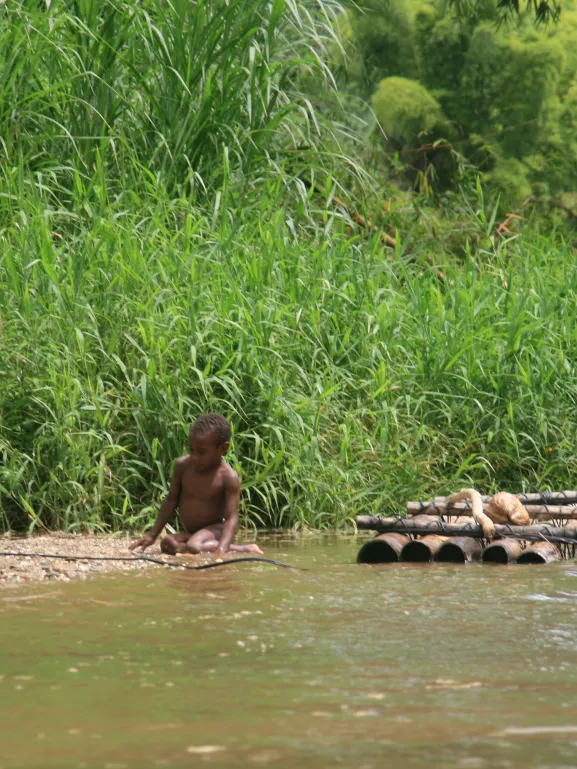
The map of health crises is being redrawn due to environmental factors
Climate change, urbanization, deforestation and biodiversity loss are all types of environmental disruption causing long-term change to relationships between humans, animals and microorganisms. These upheavals now constitute a major factor in the emergence of new diseases.
Over 60% of emerging infectious diseases originate from animals. Since the early 2000s, the prevalence of these diseases has skyrocketed, entailing an increased risk of new pandemics such as SARS, H1N1 influenza, Ebola, mpox and COVID-19.
Climate change is also creating favorable conditions for vectors (mosquitoes, ticks, flies) to expand into new geographic areas. Incidence of diseases such as dengue, chikungunya and West Nile virus is rising quickly in Europe, already causing over 700,000 deaths a year throughout the world.
-
Over 80
microbiology, immunology and epidemiology research units
-
32
institutes
-
25
32 institutes across 25 countries, over half of which are in areas of disease emergence
The Institut Pasteur's response
The Institut Pasteur has a unique infrastructure of over 80 microbiology, immunology and epidemiology research units, 25 epidemiological surveillance laboratories in France and around the world (including 14 National Reference Centers), BSL-3 and BSL-4 laboratories, a Laboratory for Urgent Response to Biological Threats (CIBU), 24/7 response capability during alerts, and a state-of-the-art technological environment.
As part of a One Health approach (factoring in interactions between humans, animals and the environment), our teams identify novel pathogens, analyze the impact of ecosystems on their spread, and develop real-world solutions.
The Pasteur Network (32 institutes across 25 countries, over half of which are in areas of disease emergence) acts as a very early warning system for global alerts, while also helping to coordinate public health responses involving multiple countries in close collaboration with international health authorities (WHO).
Pasteur 2030 projects
- Strengthening pandemic preparedness and response through the Pasteur Pandemic Preparedness Initiative, whose remit includes planning, early detection and rapid response to health crises.
#3 - The origins of diseases: elucidation to improve prevention and personalization
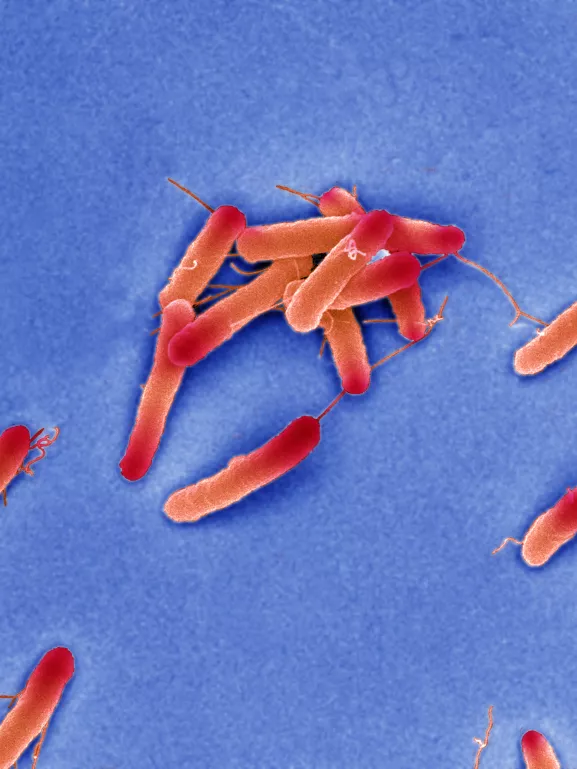
The world's biggest killers
Cancer, cardiovascular disease, diabetes and neurodegenerative diseases are severe chronic conditions that kill 43 million people every year, accounting for 75% of the world's deaths.
In France, cancer and cardiovascular disease alone are responsible for over half of the annual death toll. Millions of people also suffer from neurodegenerative diseases, with 1.4 million Alzheimer's cases and 300,000 Parkinson's cases. These figures could double by 2050.
These diseases are influenced by a host of different factors, including genetics, diet, environment, infection history and microbiota, which all intertwine over the course of a lifetime. Any moves to transition from curative to predictive, preventive and personalized medicine hinge on an improved understanding of these factors.
The Institut Pasteur's response
With its 12 scientific departments combining immunology, microbiology, neuroscience, genetics and bioinformatics, the Institut Pasteur has some unique and practical tools at its disposal to provide a cross-disciplinary response to these complex issues.
Research is organized around four key areas
- Organs' ability to repair themselves when under attack
- The role of the microbiota in immunity and chronic diseases;
- Long-term infection sequelae such as long COVID
- Factoring individual biological diversity into medical approaches
Pasteur 2030 projects
- The Integrative Microbiome Program (IM2P), in which around forty teams have joined forces to investigate the microbiota's role in health and disease. They are seeking to determine how it affects immunity, inflammation and the course of chronic disease, and develop predictive and personalized approaches.
#4 - Health and disease at the extremes of life: improving understanding to improve protection

Biological vulnerabilities still poorly understood
Far from remaining static, our immune systems change throughout our lives and undergo specific periods of vulnerability.
Immune immaturity in infants can increase the probability of severe infections and affect health way beyond childhood.
The immune systems of pregnant women undergo significant reconfiguration to ensure fetal tolerance. This specific window of vulnerability is linked to an increased risk of certain infections and can have a lasting impact on both maternal health and child development.
The progressive aging of immune defenses in elderly people makes them more vulnerable to infections, less responsive to vaccines, and at higher risk of developing inflammatory diseases.
Given our rapidly aging populations, with one in six people worldwide predicted to be aged over 65 by 2050, these issues are of paramount importance.
The Institut Pasteur's response
Our scientists work to shed light on biological mechanisms specific to these life stages. We aim to better understand vulnerabilities in infants, pregnant women and elderly people in order to adapt prevention, vaccination and treatment strategies.
Pasteur 2030 projects
- The "Mother-child" research program explores how the environment affects maternal health, fetal development and children's long-term health to drive progress on precision medicine in maternal and pediatric health, protecting human health from the first moments of life. It combines expertise from the Institut Pasteur and several partners: the Women's Health Institute at Université Paris Cité, the Imagine Institute and Institut Necker-Enfants Malades (INEM).