Immunology

Immune responses are highly coordinated processes that develop within complex tissue microenvironments. The research in our department aims to decipher mechanisms that govern the development and functions of the immune system, with the objective to develop new strategies to fight infections, cancer and chronic inflammatory diseases. Research teams are working on different aspects of the immune system, focusing on the two components of the immune response, namely innate and adaptive immunity.
Scientists are addressing questions such as:
- How does the immune system develop in embryos, newborns and adults?
- Why do some diseases emerge?
- What is the molecular pathogenesis of immune-mediated diseases?
Using cellular mechanistic models, population immunology cohorts, and working closely with clinical teams, our goal is to translate discoveries into innovative diagnostic, preventive, and therapeutic tools for personalized medicine.
Our key research in 2025
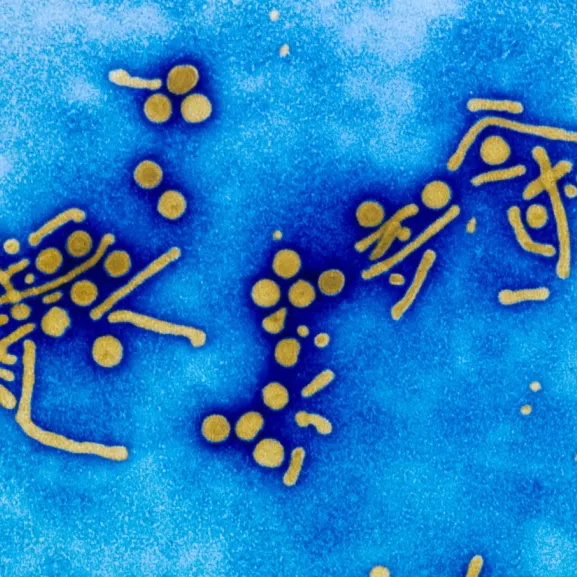
Hepatitis B: two major breakthroughs raise hopes of eradicating chronic illness
Current treatments for hepatitis B do not cure the disease and often need to be taken for life. Two recent breakthroughs in the Institut Pasteur's research offer real hopes of progress for patients, at a time when 250 million people worldwide are living with chronic hepatitis B virus infection.
Cell Reports, 23 December 2025 & Cell Host & Microbe, 14 January 2026
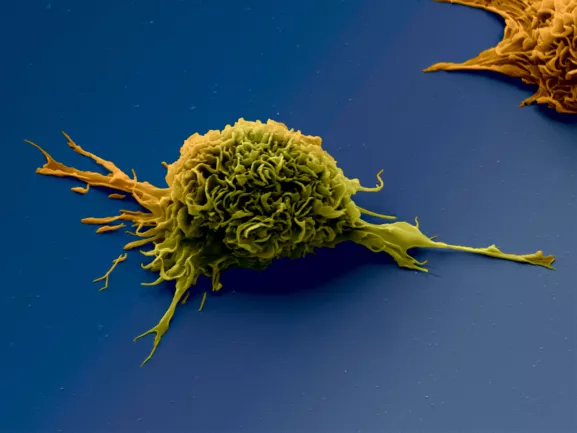
Anti-tumor immunity induced by local cell-based therapeutics
L’immunité antitumorale dépend du degré d’infiltration de la tumeur par les cellules immunitaires, notamment les cellules dendritiques (CD). Dans cet article, Louise Gorline et ses collègues explorent le potentiel thérapeutique de l’administration de cellules stromales autologues modifiées au sein du microenvironnement tumoral ; en utilisant des cellules stromales greffées exprimant des facteurs chimiotactiques, ils ont montré que celles-ci agissaient comme des « niches synthétiques » favorisant l’infiltration des cellules dendritiques et stimulant l’immunité antitumorale. Cela a également permis de surmonter en partie la résistance au blocage des points de contrôle immunitaires.
Anti-tumor immunity lies in the extent of tumor infiltration by immune cells, including dendritic cells (DCs). Here, Louise Gorline and her colleagues explore the therapeutic potential of delivering engineered autologous stromal cells within the tumor microenvironment. They used engrafted stromal cells expressing chemotactic factors and showed that they act as "synthetic niches" supporting DC infiltration and stimulating anti-tumor immunity, while also partially overcoming resistance to checkpoint blockade.
Nature communications, 30 December 2025
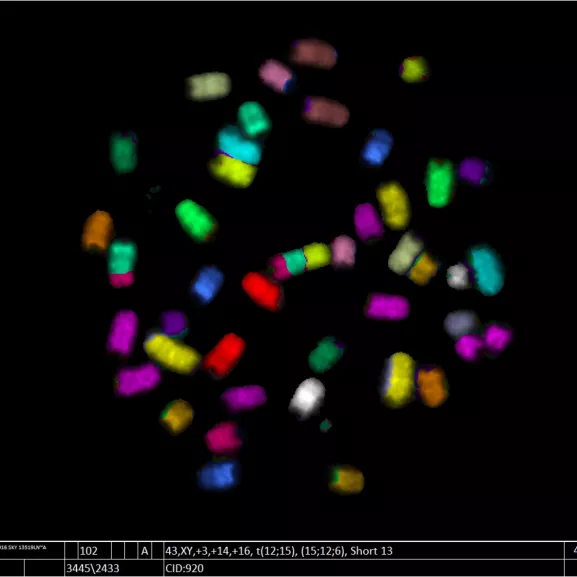
Alternative DNA break repair mechanisms in immunoglobulin class switching
Timea Marton and her colleagues examined immunoglobulin heavy chain class switch recombination – a genome recombination process essential for humoral immune response. Their findings reveal that an alternative recombination mechanism involving polymerase theta operates during S-phase to resolve DNA breaks that originate in the preceding G1-phase. This pathway supports B cell survival but compromises genome stability.
Nature communications, 26 November 2025
Our previous key research
In 2024
Smoking has persistent effects on immunity
This study provides new understanding on the effects of smoking on human health. It shows that smoking is a major contributor to human variability in immune protein secretions. Moreover, the authors showed this effect on adaptive immune responses persists long after individuals quit smoking and is associated with epigenetic memory.
Nature, 14 February 2024
Innovative neuromuscular blockade reversal agents
Neuromuscular blocking agents (NMBAs), such as rocuronium, relax skeletal muscles to facilitate surgery but lead to anaphylaxis and to complications due to postoperative residual neuromuscular blockade (rNMB). This clinical study identified rocuronium-specific antibodies from allergics, and therapeutically reversed rNMB in vivo, in animal models.
Science Translational Medicine, 11 September 2024
In 2023
A resident T cell population mediates immune memory against recurrent bladder infections
A study led by Matthieu Rousseau in Molly Ingersoll’s team uncovered a population of immune cells that are not only necessary, but also entirely sufficient to fight recurrent urinary tract infections (UTI). These memory T cells appear in the bladder after a first UTI and reside there to fight subsequent infections. Importantly, this study shows that rapid antibiotic treatment can limit immune memory, providing a rationale to develop new vaccines or novel immunotherapies to prevent recurrent UTI.
Science Immunology, 26 May 2023
Immunotherapy as a long-range weapon against tumors
CAR T cells represent a promising new immunotherapy for treating some blood cancers. Using cutting-edge microscopy techniques, Philippe Bousso’s team observed in real time how these cells act against cancer cells, discovering that most of the killing events mediated by a subset of CAR T cells occur without direct contact but at a distance, through the production of IFN-γ by the CAR T cells. They then showed that sensitivity to IFN-γ is a key factor for predicting the success of an immunotherapy treatment.
Nature Cancer, 29 May 2023
How the brain communicates with our immune system to fight infection
The immune system is a key player to help our body deal with infection, but it does not act alone: our brain is also involved. Gérard Eberl’s team, in collaboration with the department of Neuroscience, identified the cerebral area central to two-directional communication between the brain and immune system: this area integrates inflammatory signals present in the blood and in response releases a neurohormone that will regulate the immune response to infection.
Neuron, 2 August 2023