40 years of HIV discovery: the virus responsible for AIDS is identified on May 20, 1983

In the early 1980s, the first cases of a mysterious disease caused much ink to flow. In December 1982, the young researcher Françoise Barré-Sinoussi worked in the laboratory of Jean-Claude Chermann, within Luc Montagnier's Viral Oncology Unit. The latter are then contacted by the clinicians and virologists of the Bichat Hospital in Paris for a mission: isolating an unknown retrovirus, which would probably be close to HTLV (Human T-Lymphotropic Virus). In January 1983, a first lymph node sample from a patient in the pre-AIDS phase was brought to the laboratory. "It was extremely fast: we did the first tests on January 12, 1983, and we already had significant reverse transcriptase activity on January 27," reminds Françoise Barré-Sinoussi.
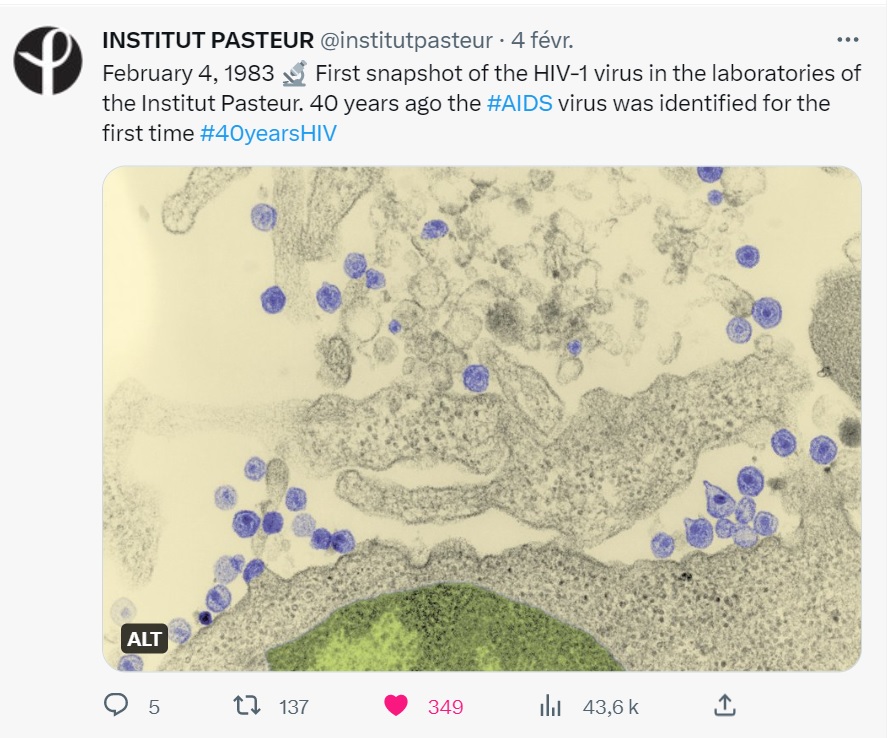
This is how a new human retrovirus, at first called Lymphadenopathy-Associated Virus (LAV), is detected in just about two weeks. The Unit's "microscopist", Charlie Dauguet, is given the delicate task of visualizing retrovirus-like particles in the culture under an electron microscope. After a lot of patience, on February 4, 1983, at 5:45 p.m., he shouted: “Eureka, that’s it, I see it, I have it! ".
The first photograph of the virus was taken on February 4, 1983.
A publication by the Institut Pasteur in May 1983, awarded by a Nobel Prize in 2008
On May 20, 1983, the first work carried out at the Institut Pasteur on this new human retrovirus was published in the Science journal. It will be renamed HIV in 1986, or Human Immunodeficiency Virus.
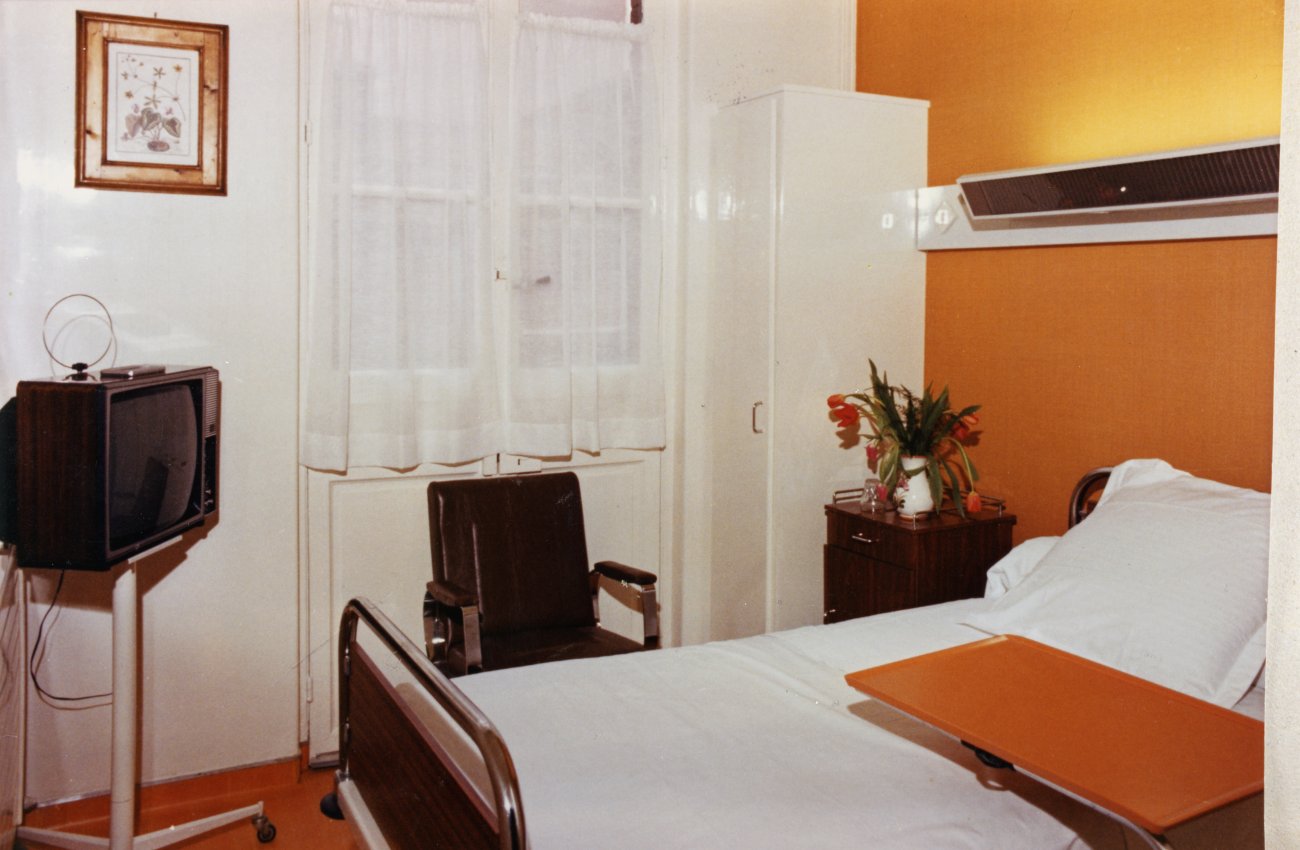
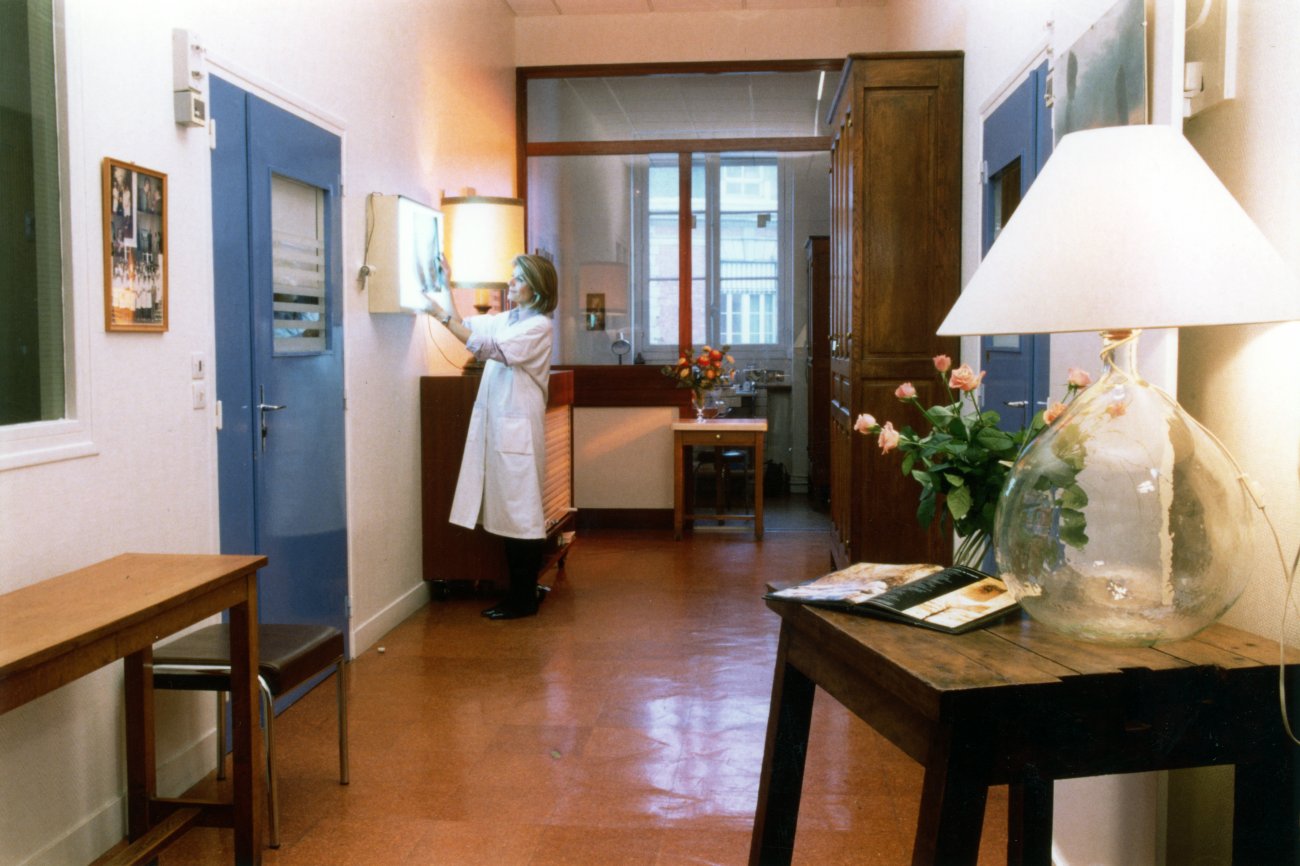
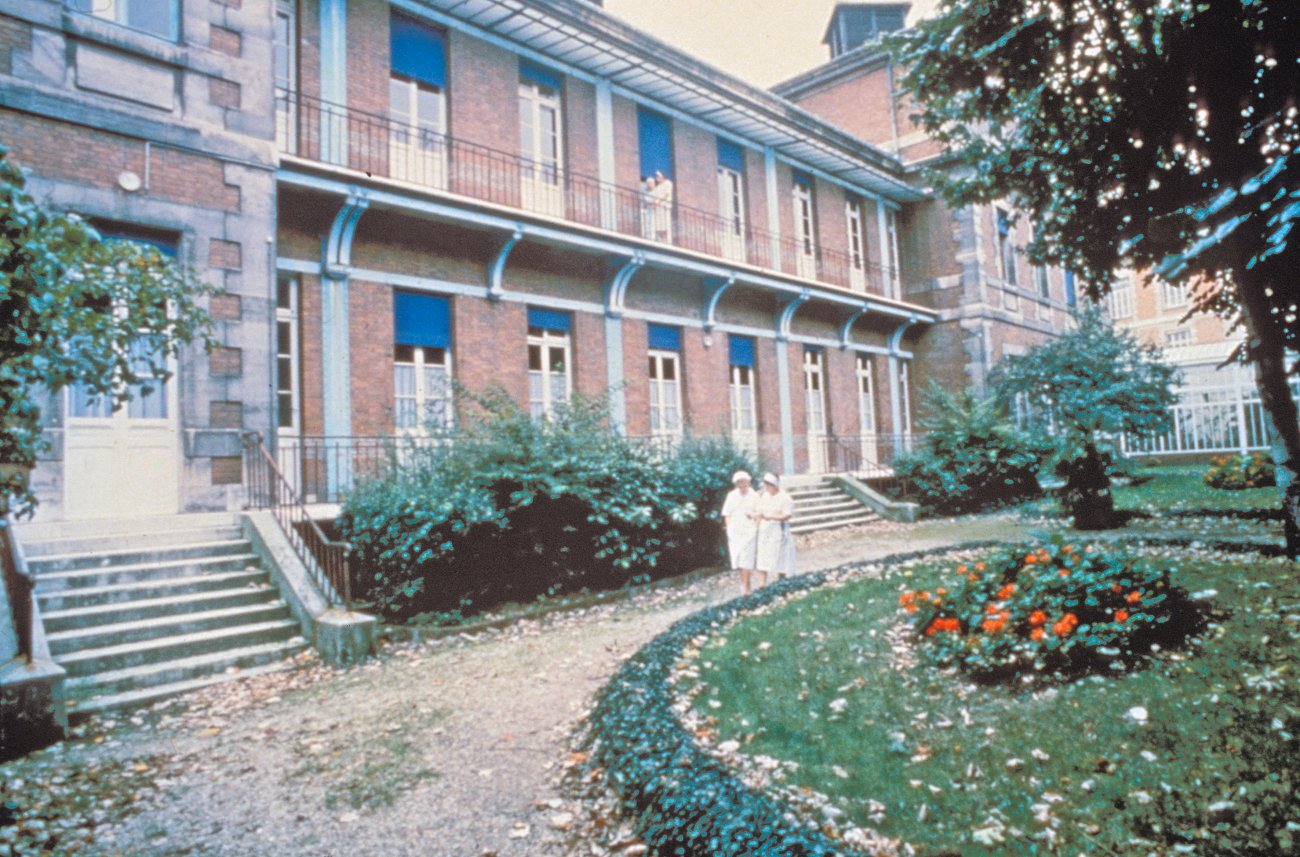
From 1984, patients came in large numbers to the Institut Pasteur, which had a hospital.
HIV-1 was sequenced in 1985, then HIV-2 a few years later. It was notably thanks to the sequencing of reverse transcriptase, an enzyme essential for viral replication, that the first antiretroviral drug AZT was created in 1987. The collaboration with Françoise Brun-Vezinet and Christine Rouzioux, virologists at the Bichat hospital, allows to develop and market from 1985 a serological diagnostic test for infected patients.
In 2008, 25 years after the HIV discovery, the work of Françoise Barré-Sinoussi and Luc Montagnier was awarded the Nobel Prize in Physiology or Medicine. As Françoise Barré-Sinoussi reminds this moment, this prize also celebrates the mobilization of patients alongside researchers: "Trying to work as closely as possible to patient expectations is something that has totally transformed my life" (see below the interview with Françoise Barré-Sinoussi – in French).
From panic virus... to hope
-
1985 – The “panic virus”
Fear of this virus is setting in: the French newspaper Le Point speaks of a “panic virus”.
-
1986 – The term “HIV/HIV” is born
The virus responsible for AIDS, named LAV on the French side and HTLV-3 on the American side, will be called HIV (Human Immunodeficiency Virus) or HIV (Human Immunodeficiency Virus) in French.
-
1987 – French information campaign: "AIDS won't pass through me"
A first French information campaign on AIDS is launched. His slogan "AIDS, it will not pass through me" will mark the memory of the French.
-
1991 – The Red Ribbon
The red ribbon becomes the international symbol of AIDS awareness.
-
1993 – The condom at 1 French franc (around 0,15 euros)
The “1 franc condom” operation was launched in 1993 by the French Agency for the Fight against AIDS (Agence française de lutte contre le sida), in order to encourage its use among young people.
-
2013 – A “90-90-90” target to end the epidemic
In 2013, UNAIDS established the "90-90-90" targets to end the HIV epidemic by 2020: 90% of people living with HIV should be diagnosed; 90% of HIV‐infected patients diagnosed should be receiving antiretroviral treatment (ART); and at least 90% of those on ART should achieve viral suppression.
-
2016 - An international information campaign
An international information campaign using the slogan U=U (Undetectable = Untransmittable) was launched in 2016. In France U=U becomes I=I (Indétectable = Intransmittable).
-
Today
In France, in 2015, approximately 85% of HIV patients undergoing treatment are “undetectable”, which means that the virus is undetectable in their blood. Studies are now unanimous: an undetectable person cannot transmit HIV. About 5,000 people found out their positive HIV status in 2020, and 26,000 people are still living with HIV without knowing it.
Worldwide, in 2021, there were 1.5 million new cases. Today, 38 million people are living with HIV. As many people have died of AIDS-related illnesses since the start of the epidemic.
Clinical trials will begin in 2023 to test new broad-spectrum neutralizing antibodies, as well as to test promising natural killer cells. An international scientific symposium will take place at the Institut Pasteur from November 29 to December 1, 2023 and will take stock of those medical advances.
The knowledge on HIV has also been useful in the fight against SARS-CoV-2 and Monkeypox: diagnostic tools, techniques for analyzing and manufacturing broad-spectrum antibodies…
- 2030 – The “end of AIDS” in 2030…
The goal of “zero HIV deaths by 2030” is part of international strategies (UNAIDS, Unicef and WHO) to achieve the “end of AIDS”, with the objectives of “zero transmission” and “zero discrimination”.
Research is progessing at the Institut Pasteur, some recent examples :
- May 17, 2021 _ Art plus combination immunotherapy expands natural killer cells that facilitate control of HIV
- March 01, 2021 _ Comment les cellules immunitaires NK apprennent à contrôler la réplication du virus dans un ganglion lymphatique (in french)
- February 20, 2023 _ Third case in the world of probable cure after a bone marrow transplant